OpenAI launches ChatGPT Translate to rival Google Translate
ChatGPT Translate supports translations in more than 50 languages
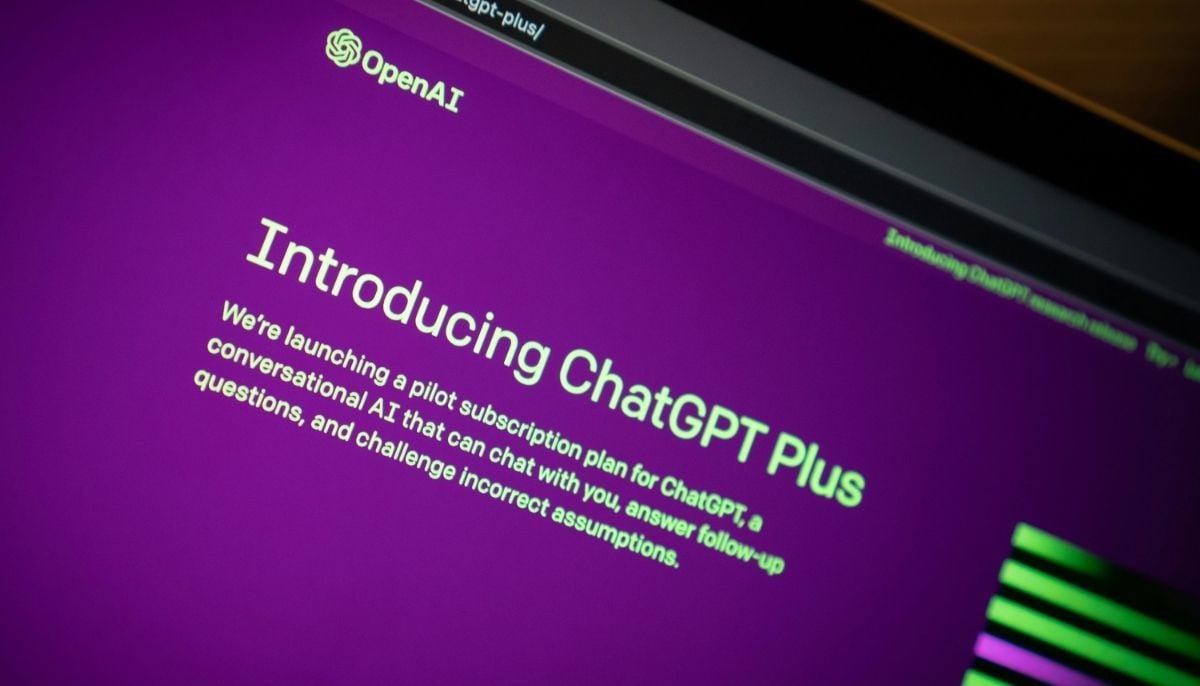
OpenAI has launched ChatGPT Translate, a standalone web-based translation tool designed to compete directly with Google Translate. The new service supports translations in more than 50 languages and allows users to customise the style and tone of translated text, offering options such as more fluent, academic, or business-formal output.
The ChatGPT Translate's GUI has a similar look to Google Translate with two text boxes for inputting the original message and the translated message with drop-down menus for selecting languages. Nevertheless, the main priority of the ChatGPT Translate GUI revolves around context and style instead of media.
The text-based translation function is available only in the desktop version upon launch, while mobile browsers provide users with the capability to either type text for translation or convert voice into text for translation.
Unlike Google Translate, it appears that ChatGPT Translate does not currently support translations based upon images or websites, although promises of support in the future have been made on its homepage.
OpenAI has not released any corresponding app for the service on the mobile platform either, and it is unknown which artificial intelligence algorithm is used for translation purposes.
The translation function has been available within the main chatbot function of ChatGPT for a long time now, but this is the first time OpenAI is venturing into offering this functionality as a separate service. Through this functionality, ChatGPT Translate could prove to be a game-changer for those who want higher-level translations with the choice of tone and purpose through which translations are executed.


-
 US politician slams Sam Altman over 'accept some bad things happening' remark
-
 Italy antitrust regulator opens investigation into AI music startup Suno
-
 Smart glasses face bans over privacy concerns: Full list of countries
-
 Mistral AI new model beats Chinese competitors in cybersecurity, claims CEO
-
 UK regulator probes Meta over child safety risks in Instagram's 'Instants' feature
-
 OpenAI admits ‘not good enough’ response to Australia government hacks
-
 Meta, TikTok and X challenge UK watchdog over safety data: What to know
-
 Norway proposes temporary ban on AI glasses in public spaces over privacy fears