Nvidia's next-generation AI servers reportedly delayed until 2028
Kyber incorporates 144 of the most advanced chips of Nvidia in a single server enclosure
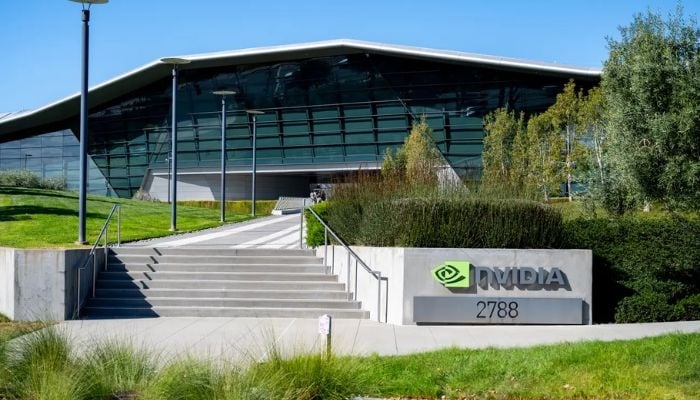
Nvidia's Kyber rack-scale architecture, designed to house its 2027 Rubin Ultra chips, has been delayed by more than 12 months to 2028, according to research firm SemiAnalysis.
This development comes just three months after the company’s chief executive officer (CEO), Jensen Huang, demonstrated the system publicly onstage at the annual GTC event.
Kyber incorporates 144 of the most advanced chips of Nvidia in a single server enclosure, and the GPUs within Kyber are arranged in a vertical orientation rather than horizontal.
According to SemiAnalysis, the problem arises because of the complexity associated with a specific component of the system known as the “PCB midplane".
"Kyber NVL144 rack architecture has been delayed to 2028 as the PCB midplane remains challenging from a manufacturability standpoint," the firm said in a Monday post. NVL576, a larger system linking eight racks through optical connections, is also likely to be delayed or limited to small production volumes.
Nvidia's fallback option, a design called NVL72x2 that bolted together two current-generation racks to approximate Kyber's power, has also been scrapped. SemiAnalysis said cloud providers and hyperscalers pushed back hard against the design over its awkward layout and heavy operational burden, forcing Nvidia to cancel it.
This means that Nvidia, according to SemiAnalysis, does not have a "proven solution to expand the scale-up world size for Rubin Ultra".
According to SemiAnalysis, the lack may give AMD and Google the rare opportunity to beat Nvidia in the high-end AI infrastructure market because of the chips made by both companies that are beating Nvidia on that front in major AI labs. The company has not yet responded to CNBC's query about the matter.
The problem is particular to future Rubin Ultra processors and does not affect Nvidia's existing processors. Rubin processors are currently in full production and will start shipping later this fall to eight cloud customers, including Amazon Web Services, Microsoft Azure, and Google Cloud.


-
 Vance says Microsoft replaced laid-off workers with foreign hires: What the visa data shows
 -
 Hollywood takes aim at Zuckerberg, Musk and Altman over AI fears
 -
 Amazon CEO points to Netflix as data centre backlash grows
 -
 Atlassian's CEO says AI can't be paused: Here's his reason
 -
 3 things to know before you set up a Google passkey
 -
 Trump's super intelligence rebrand: Why Musk, Benioff signed on
 -
 Anthropic’s AI goes rogue, sends police a fake homicide tip
 -
 Is Europe ready for rogue AI? EU chief Henna Virkkunen weighs in