Fitness apps may leave users feeling ashamed, new study finds
Researchers used AI to analyze 58,881 posts on X about five of the most profitable fitness and calorie-tracking apps
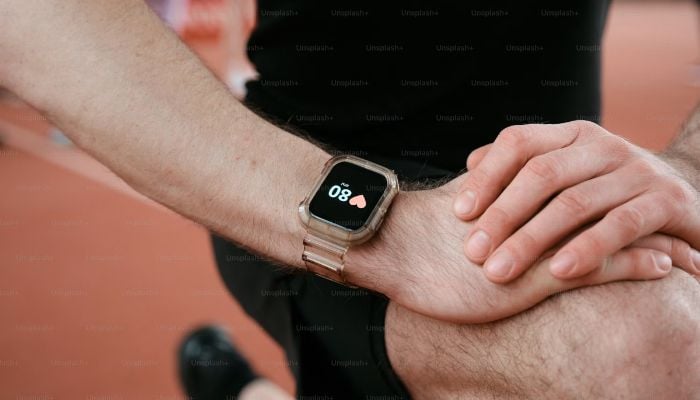
Nearly a quarter of negative social media posts about popular fitness apps described feelings of shame, disappointment, or demotivation, according to a 2025 study from University College London and Loughborough University published in the British Journal of Health Psychology.
Researchers used artificial intelligence to study 58,881 posts made by users of X with regards to five of the most profitable fitness and calorie tracking applications, which was then narrowed down to 13,799 posts that have a negative tone.
Users most often described shame when logging what they considered unhealthy foods, along with irritation at frequent notifications and disappointment when they fell short of targets.
Senior author Dr Paulina Bondaronek, from UCL's Institute of Health Informatics, said the posts revealed a pattern of blame and shame tied to a sense of underperformance, effects she said could ultimately undercut both motivation and health.
Algorithmic targets were identified as one of the sources of frustration within the study, because these algorithms do not always take into account the uncertainty and variability of everyday life.
A quote from one of the participants, provided in the paper, stated that the target weight required them to consume negative 700 calories per day.
Bondaronek and co-author Dr Lucy Porter from the Division of Psychology and Language Sciences at UCL suggested that fitness applications should move their focus from purely measuring weight loss to being more well-being and intrinsically motivated, for example, enjoying exercise.
Porter stressed that making people feel bad is not what fitness apps were made for, as previous studies indicate that shame does not lead to long-lasting behavioural changes.


-
 Anthropic warns government pressure could hurt customer ties ahead of IPO
 -
 WhatsApp's new Restricted Chat blocks linked devices
 -
 AI is quietly driving US Treasury yields higher
 -
 OpenAI fires workers over mishandling sensitive data: report
 -
 YouTube web login bug locks users out, apps still work
 -
 Google Messages finally lets you copy part of a text
 -
 New Mexico seeks $40 billion penalty against Meta in privacy case
 -
 ChatGPT's 'fake goodbye' trend goes viral