AI super-agency becomes new benchmark for business success
McKinsey recent data findings states that leaders are usually unaware of extent to which their teams already use AI
AI adoption inside companies has moved past curiosity and pilot projects. The real challenge for leaders now is how to use AI to move faster than competitors and build long-term advantage.
A recent McKinsey report introduces the concept of the AI super-agency, coined by LinkedIN Co-Founder Reid Hoffman. This is that phase of complete integration of AI into daily work, amplifying teams' productivity, creativity, and impact.
During this phase, even those employees not directly using AI benefit from better systems, faster decisions, and improved knowledge flow.
McKinsey cautions that too many senior leaders are moving too slowly. Matching the steam engine, the car, and the internet combined for pure potential, leadership hesitation is destined to leave companies behind. AI's real power lies in democratising skills, improving work quality, and reshaping whole industries.
Data by McKinsey shows a clear trend: Millennial managers and team leads were from the 35-to-44 age group, showing a very advanced use of AI.
Nearly 62% said they have high AI expertise, compared with 50% of Gen Z and just 22% of baby boomers.
This data matters because managers sit between strategy and execution. They are able to make AI ideas real workflows, run pilots, and scale what works. Teams are more likely to engage with managers than senior leadership, placing millennial managers in a strong position to guide responsible AI use and prevent shadow AI practices.
Who are AI superusers?
AI superusers, also referred to as AI champions or scalers, apply AI directly to everyday work. They use multiple tools effectively, design smarter workflows, support colleagues, and encourage experimentation within clear guardrails. Most important, they treat AI less as a tool than as a teammate.
McKinsey found that leaders are usually unaware of the extent to which their teams already use AI. Executives typically assume about 4% of staff rely on AI for one-third of the workday, whereas the real figure is closer to 12%.


-
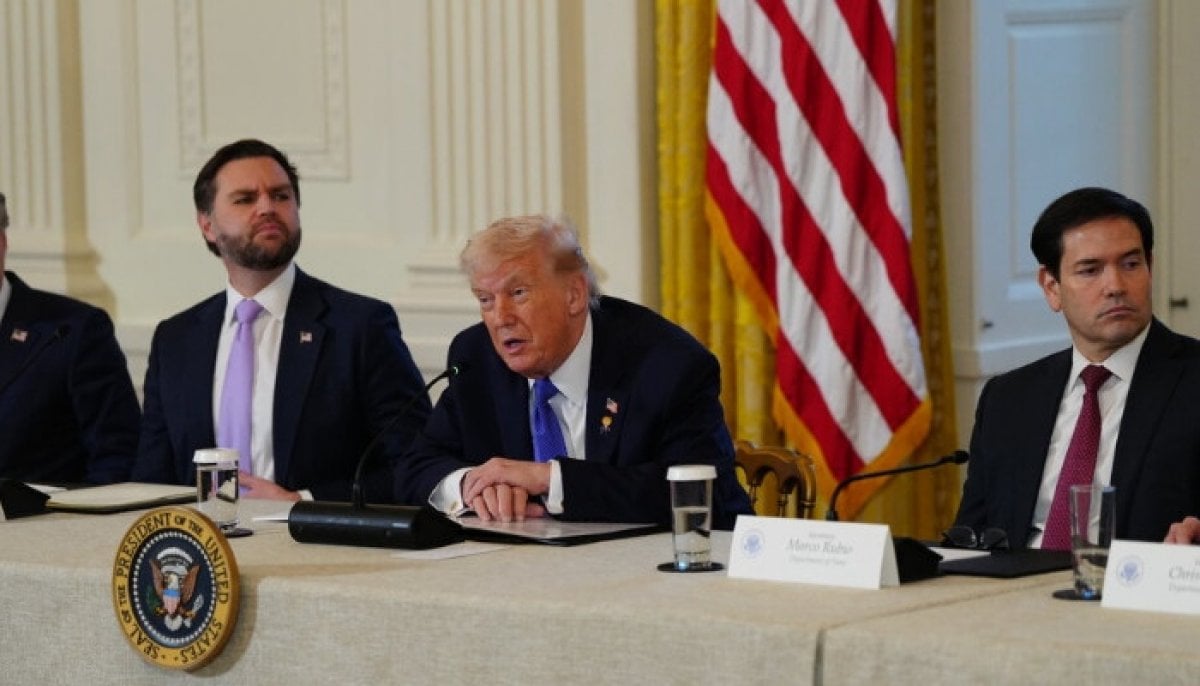 Trump claims US gains ‘permanent control’ over Greenland security in new Arctic deal
 -
 Why California gas prices are drawing ‘I am legend’ movie comparisons
 -
 Bill aimed at protecting Americans from data centre energy costs blocked in Senate
 -
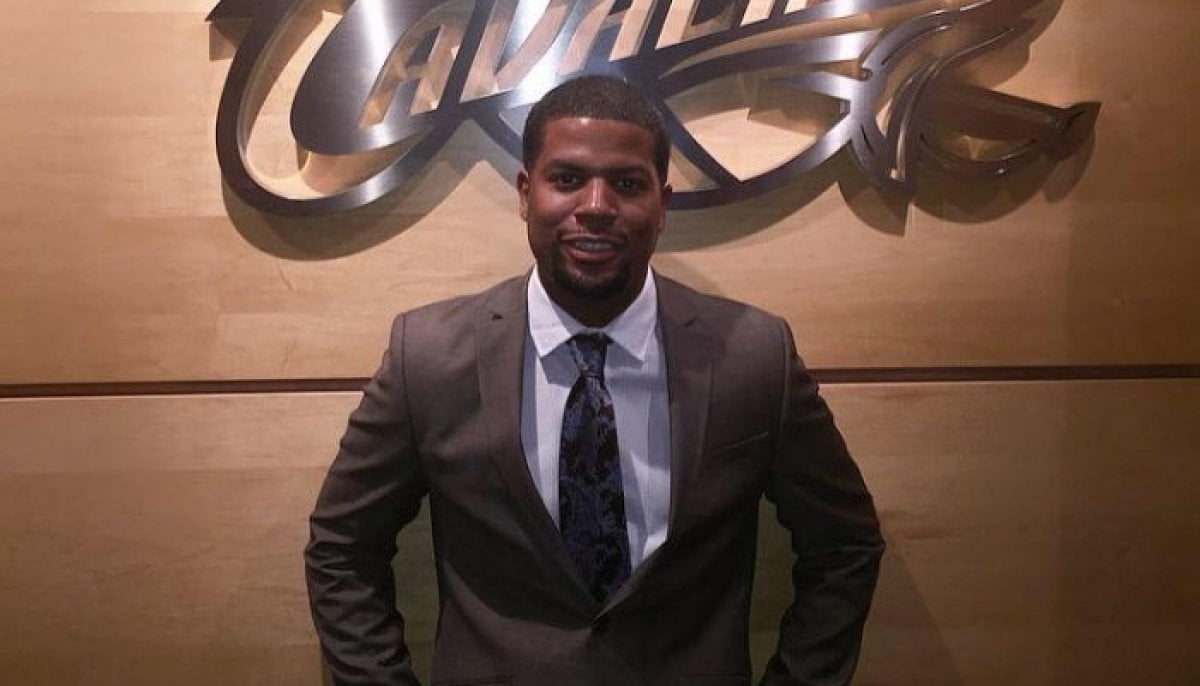 Cleveland Cavaliers promote longtime executive Brandon Weems to general manager
-
 OpenAI and Microsoft quotes on AI threaten news copyright defense, media outlets argue
 -
 Russia’s Max app has powerful ‘backdoor’ to spy on users, researchers find
 -
 OpenAI, Anthropic open their doors, watchdogs want full access
 -
 Samsung Gallery now syncs with Google Photos: Here's how
 -
 Only 25% of enterprise AI pilots reach production, Deloitte finds
 -
 New York now requires utilities to report their AI use
 -
 Salesforce CEO calls Nvidia ‘exquisite’ as AI race heats up
 -
 France probes smart glasses in sexual harassment and privacy cases