Microsoft AI chief questions how safe current AI really is
Microsoft AI has developed system that achieves 85% accuracy in solving diagnostic case challenges
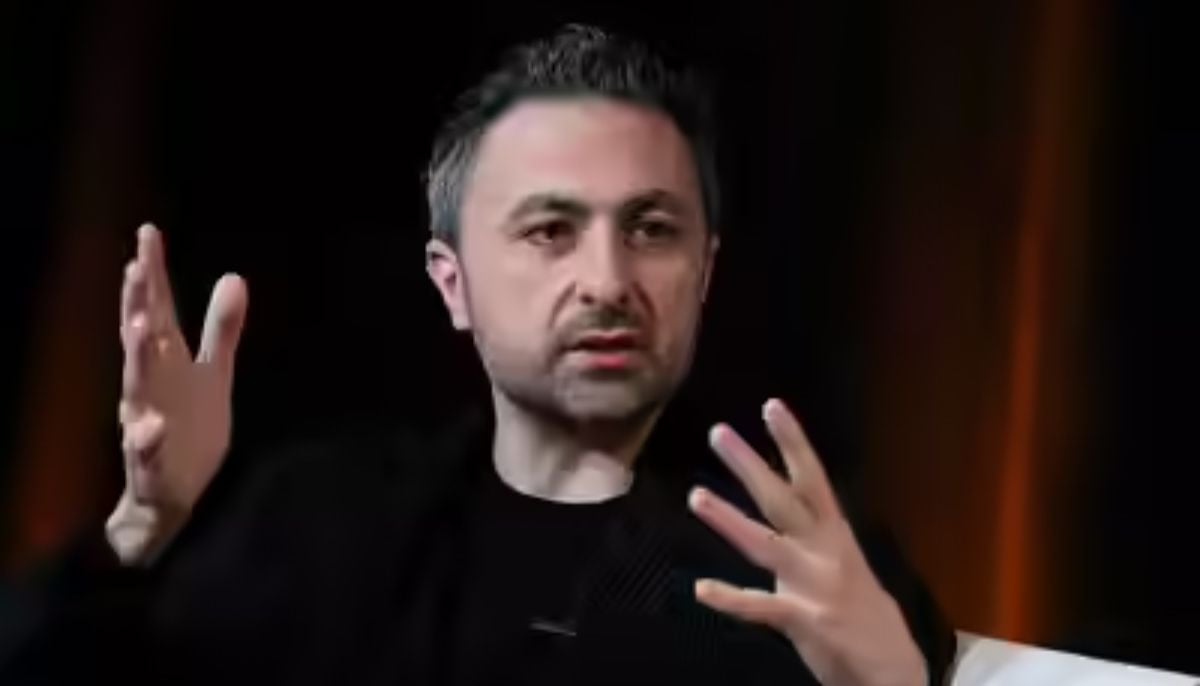
Microsoft AI CEO Mustafa Suleyman has warned the artificial intelligence industry against conflating control with cooperation, arguing that many companies are prioritising alignment without first ensuring they can actually contain advanced AI systems.
Taking to X, Suleyman said that containment has to come before alignment, and systems cannot be guided safely if they cannot be restrained. He also described the process of alignment without containment as relying on goodwill rather than enforceable limits, adding that the industry is in jeopardy of moving too fast toward superintelligence without safety.
In his post, Suleyman highlighted clearly that containment means imposing hard constraints on an AI system's capabilities and autonomy, whereas alignment involves designing the system's objectives to align with human interests. Treating them as if they were interchangeable, he argued, ignores the fundamentally different technical challenges each represents.
The comments reflect Suleyman's larger effort to frame Microsoft as a more conservative player in the development of AI. In his essay, Towards Humanist Superintelligence, which appeared recently in the Microsoft AI blog, he put forward a vision based on human control and narrowly defined use cases rather than ones involving fully autonomous, general-purpose systems.
In contrast, the alternative proposed by this researcher, termed "humanist superintelligence", focuses on applications in specific fields such as medical diagnostics or clean energy.
Microsoft AI has developed a system claimed to have been successful in reaching 85% accuracy in solving diagnostic case challenges on the New England Journal of Medicine website, as compared to the average human performance of 20%.
Suleyman was a former DeepMind co-founder who joined Microsoft about 18 months ago and thinks that this strategy can achieve superintelligence levels of performance with less severe control risk problems.


-
 Chinese regulator probes DeepSeek and Moonshot over secret data routing
 -
 DeepSeek to brief UN Security Council on AI risks amid rising global tech rivalry
 -
 OpenAI, Anthropic push Australia for ‘conditional’ AI training approval
 -
 OpenAI, Sam Altman sued over Tumbler Ridge school shooting
 -
 Chinese AI firm Z.ai disables coding assistant features; issues apology after security backlash
 -
 OpenAI calls for US to take lead in global efforts to develop technical standards
 -
 Nvidia CEO Jensen Huang says there's '0% chance' AI destroys humanity by 2030
 -
 COP31 wants tech giants to clean up AI's energy use