AI at work may create new psychological demands for employees, study warns
AI may take over routine tasks, but managing AI agents could create new pressures for employees
As artificial intelligence (AI) is increasingly being integrated into almost every sector. Experts across these industries and researchers from Microsoft and Imperial College London warn that supervising AI agents may introduce new, often hidden, workplace challenges.
Published in the Society of Occupational Medicine’s journal Occupational Medicine, the study highlights that while AI can streamline tasks like booking appointments or analysing workplace health data, human roles will evolve in complex ways.
“As AI absorbs routine tasks, human roles may shift toward stewardship, problem-solving or emotional labour, all with their own psychological demands,” said Imperial Clinical Research Fellow Dr Lara Shemtob.
She adds that employees may soon be required to manage multiple AI agents, adapt to evolving management practices, and monitor the outputs of increasingly autonomous systems.
New risks and workload for human supervisors
One of the key concerns pointed out by the research is that 'hallucinations' by AI, where the tool gives results that are inaccurate or misleading, could become harder and harder for humans to detect as AI becomes more sophisticated. This could raise stress, uncertainty, and the psychological burden on staff tasked with oversight.
The research highlighted that the organisations should quantify the demands of supervising AI and incorporate them into job roles. In this way, hidden workloads cannot undermine the benefits of automation.
While AI provides many potential benefits, such as easier access to workplace health services and administrative efficiencies in managing data, it also creates role ambiguity and new responsibilities.
According to the study, understanding how humans and AI interact will be the next critical frontier for occupational health.



-
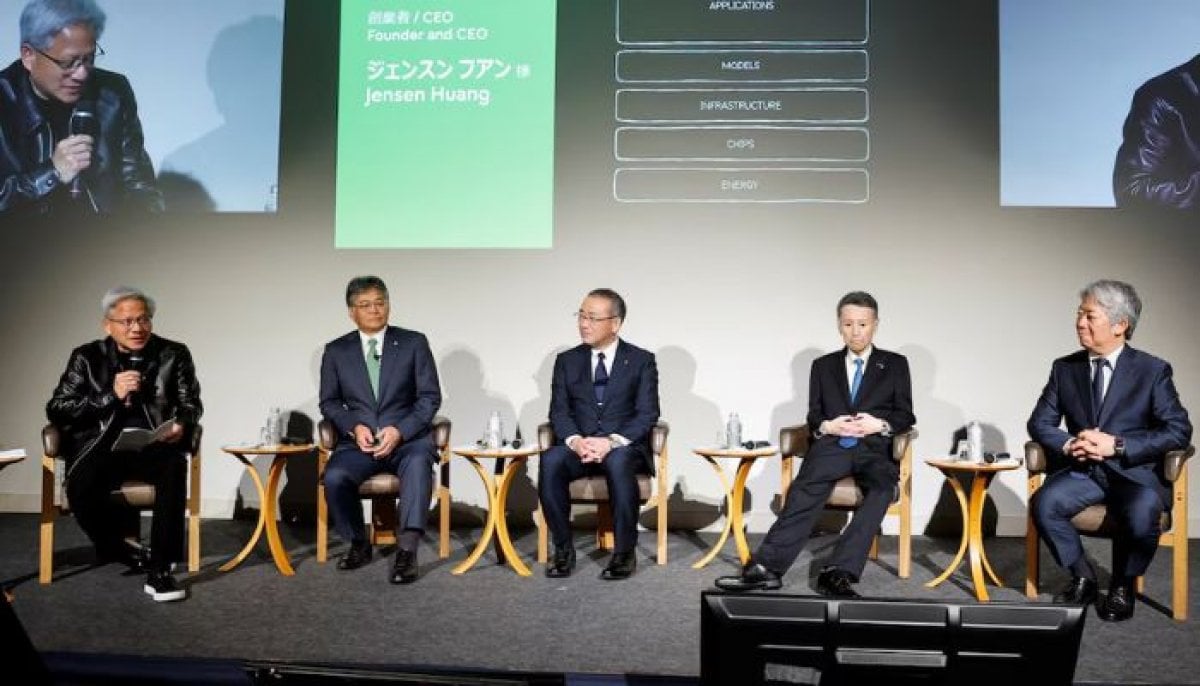 Nvidia allies With Fanuc, Yaskawa on AI robotics in Japan
 -
 Google loses appeal as EU court upholds $854,259 Italian fine over gambling advertising
 -
 TikTok joins C2PA as it expands AI content labeling
 -
 Apple is chasing for AI chip startups: Report
 -
 98% of fake TikTok news anchors are AI, study finds
 -
 ‘A real issue’: JPMorgan CEO Jamie Dimon raises concerns over Anthropic’s Mythos AI
 -
 UK launches investigation into TikTok over child safety concerns
 -
 Elon Musk’s xAI sues Grok user over alleged sexualized ‘deepfakes’