Disturbing link between keto diet and liver cancer will shock you
US study shows high-fat diet could change liver cells and raise cancer risk
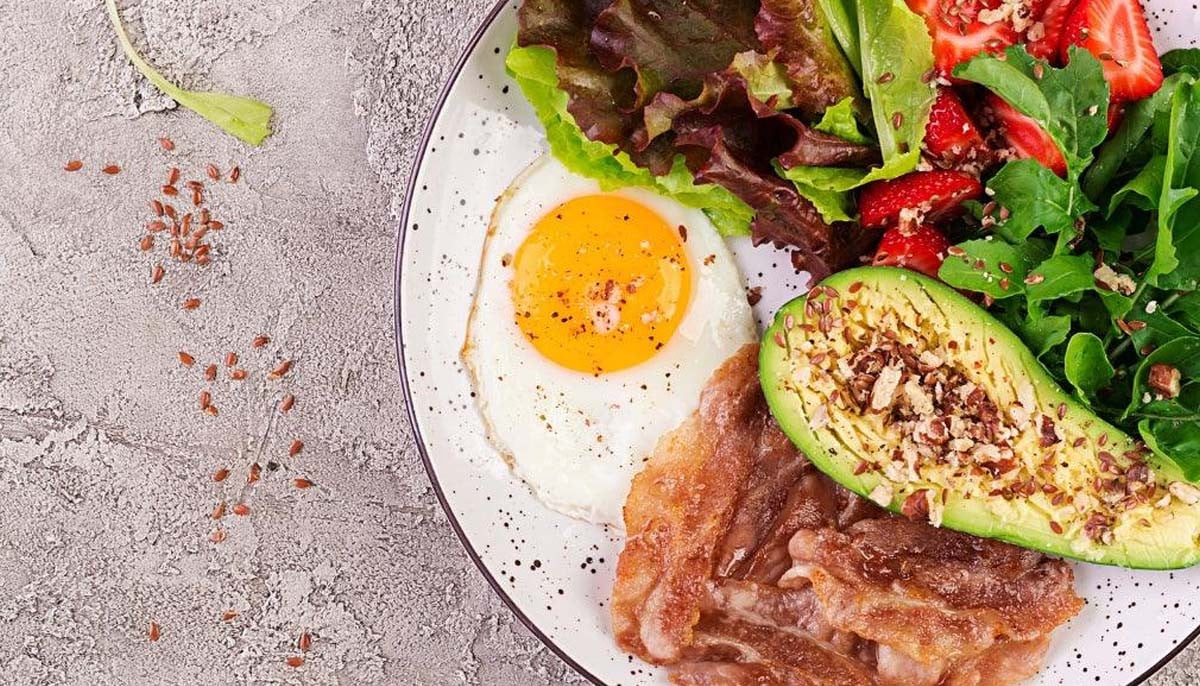
Many people must have tried a keto diet at least once.
A keto diet involves almost entirely avoiding carbohydrates in your diet, triggers a state of ketosis, where the body burns stored fat for energy, which in turn helps people lose weight.
However, the high-fat, low-carb diet could trigger serious health problems including developing the risk of liver cancer within 20 years.
A concerning new research states that even though people believe this diet can induce weight loss without feelings of hunger but the fatty acids can fundamentally alter liver cells.
US scientists found that when the liver is repeatedly exposed to a high-fat diet, its cells shift into a more primitive state.
And even though this change aids the liver in managing the stress caused by excess fat, it also makes them more vulnerable to disease.
“If cells are forced to deal with a stressor such as a high fat diet over and over again, they will do things that will help them to survive, but at the risk of increased susceptibility to tumorigenesis [when normal cells mutate and become cancerous],” Professor Alex Shalek, director of the Institute for Medical Engineering and Sciences, and study co-author, explained.
The team hopes that by detecting these changes early, doctors will be able to reduce the risk of tumour formation in people who are vulnerable.
High-fat diets have long been linked to steatotic liver disease, where excess fat builds up inside the liver causing inflammation, liver failure and ultimately cancer.
In the study, published in the journal Cell, researchers fed mice a high-fat diet and analyzed how their livers responded.
Early on, liver cells called hepatocytes were shown to activate genes to help them survive so that cell death could be avoided and growth could be promoted.
However, at the same time, genes essential for normal liver function were shut down.
“This really looks like a trade-off, prioritising what's good for the individual cell to stay alive in a stressful environment, at the expense of what the collective tissue should be doing,” Constantine Tzouanas, Harvard-MIT graduate and study co-author said.
By the end of the study, nearly all mice that were fed a high-fat diet had developed liver cancer.
The researchers concluded that when liver cells adapt in this way, they are more likely to become cancerous if a damaging mutation later occurs.



-
 Apple’s screenless fitness tracker plans revealed: What to know
 -
 Rabies concerns grow in US, sparking health warnings over fatal virus
 -
 This popular cooking garnish may offer surprising benefits for brain health
 -
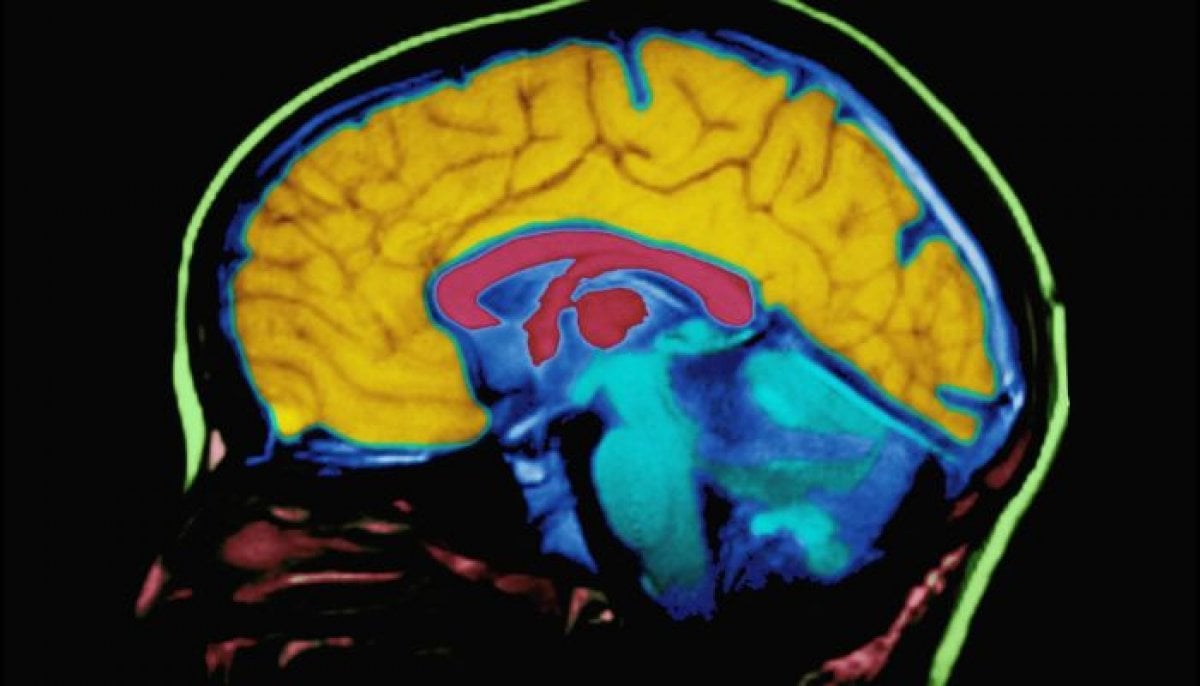 Was the human brain once two separate organs? Scientists find new clues
 -
 Novo Nordisk partners with Anthropic to accelerate AI-powered drug discovery
 -
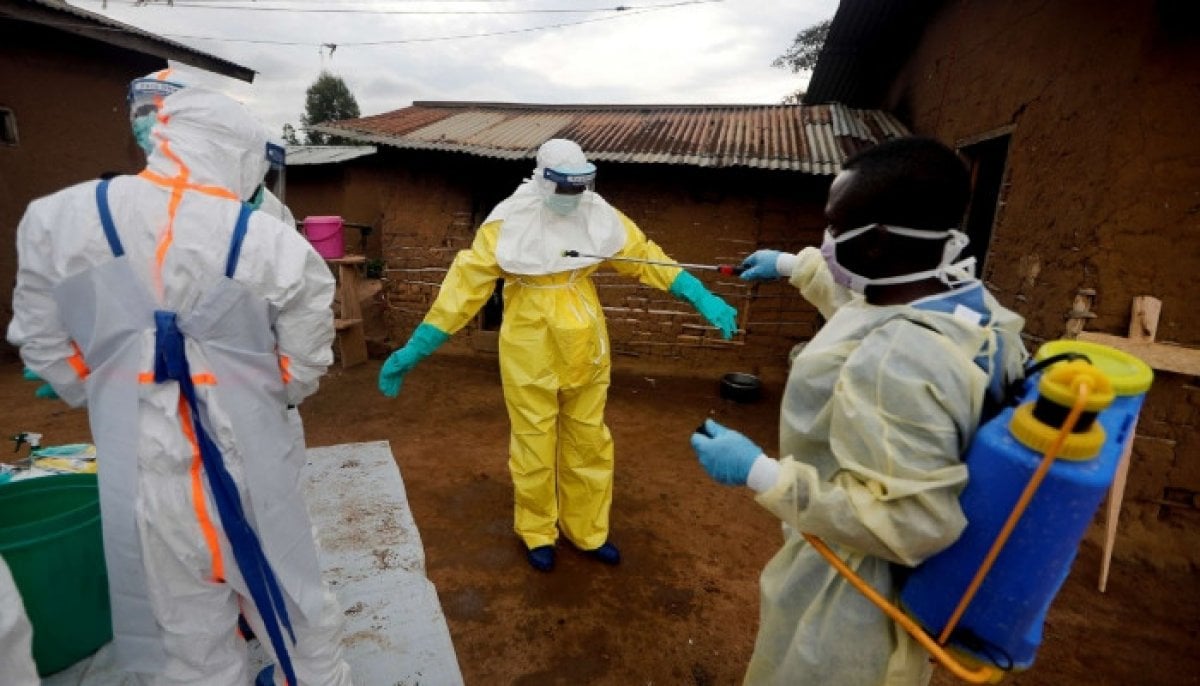 Congo Ebola outbreak reaches turning point as daily infections fall
 -
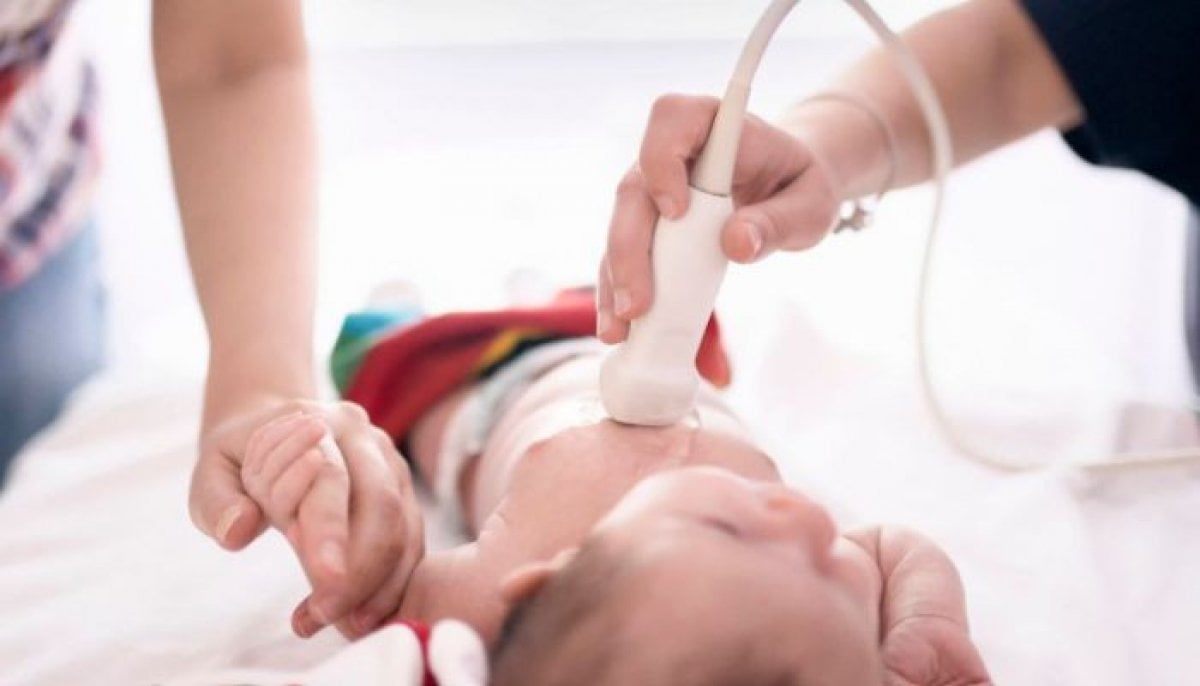 Study reveals why some babies are born with heart defects
 -
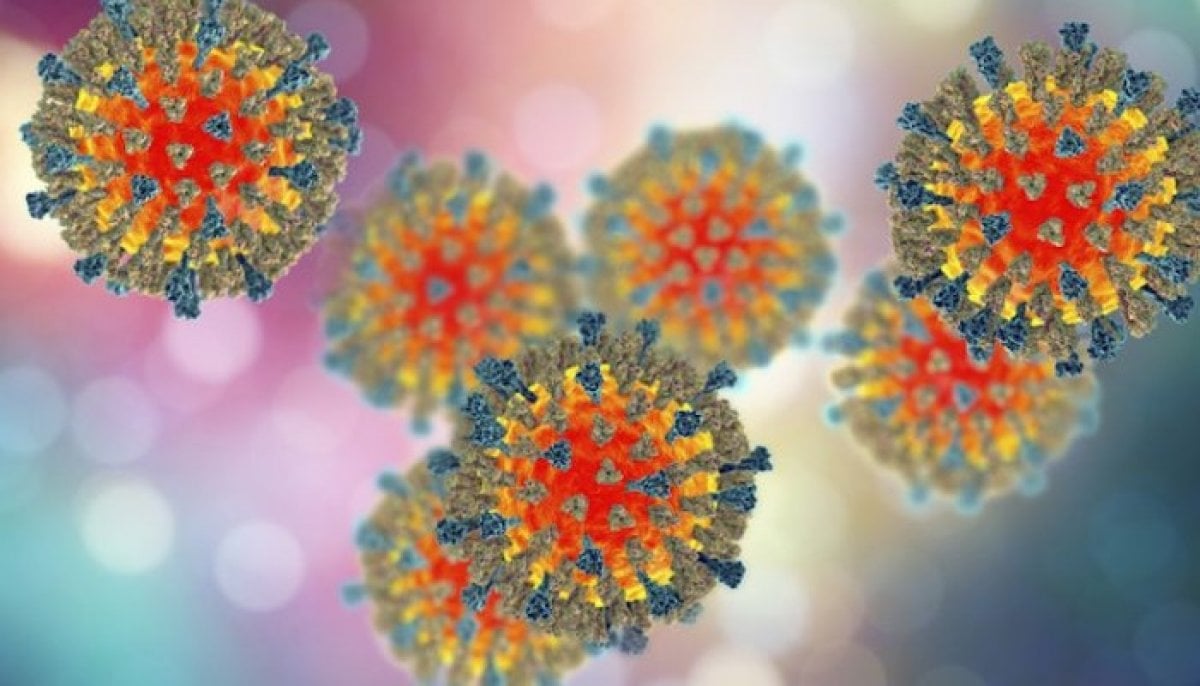 Third measles-associated death reported as Pennsylvania outbreak reaches 676 cases
-
 Cyclosporiasis outbreak: US officially ends largest outbreak linked to contaminated lettuce
 -
Hot beverages increase risk of cancer? New research provides in-dept details
-
Highest-level recall issued for potato chips over banned ingredient posing death risk
-
Very hot tea and coffee could triple cancer risk, Oxford study warns