Starlink lowers 4,400 satellites to reduce collision risks
Starlink satellite decrease step aims to helps lower chance of collisions in space
Starlink lowers 4,400 satellites to boost space safety
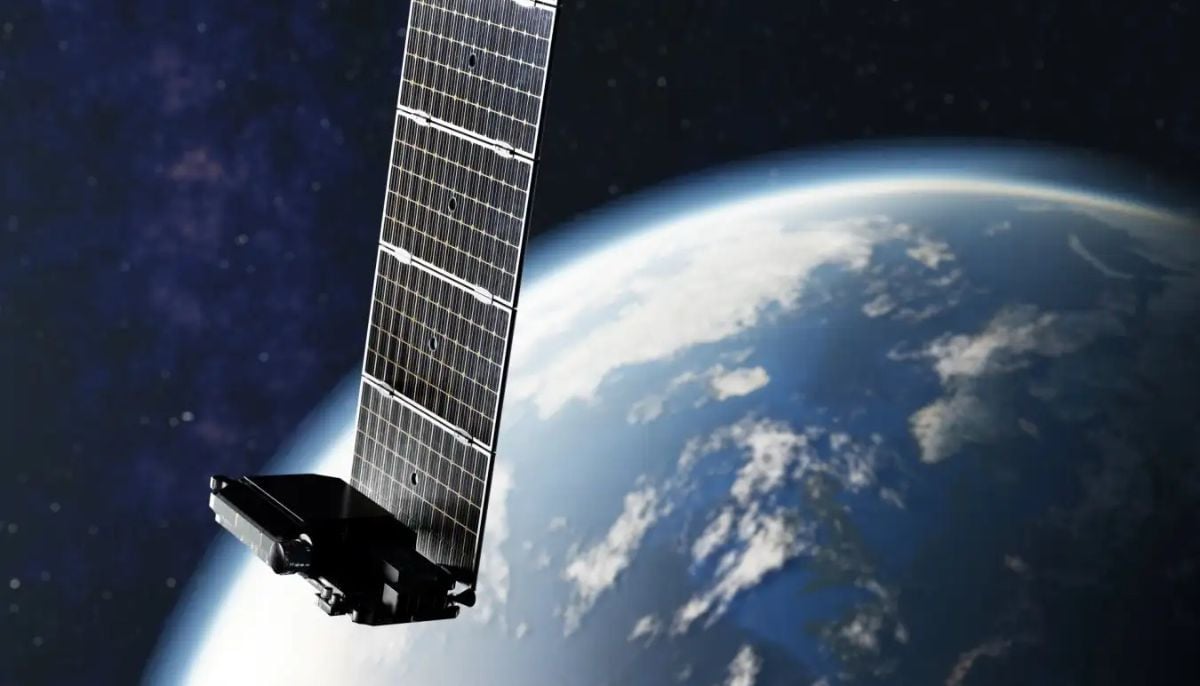
Starlink, Elon Musk’s satellite internet service, plans to lower around 4,400 satellites from approximately 550 km to 480 km in 2026, aiming to improve space safety and reduce collision risks. The announcement was made by SpaceX Starlink Engineering Vice President Michael Nicholls in a post on X.
Why Starlink is lowering satellites?
Nicholls had a plan, a goal that Starlink was to achieve: lowering its satellites to reduce the number of orbital shells, shorten deorbiting times, as well as collision risks. Solar activity slows, and this causes a reduction in atmospheric density with a higher ability to stay in orbit. Orbital decay times would reduce by more than 80% if below 500 km, from four years to a few months.
Starlink is currently the world’s largest satellite system offering broadband internet connectivity to various continents such as Africa. Secondly, it is the second-largest ISP provider in Nigeria with 66,523 subscribers as of Q2 2025, according to Nigerian Communications Commission (NCC).
The expansion of its footprint also involves extending services to mobile through a collaboration with Airtel Africa to help bridge the gap of connectivity on the entire continent.
This satellite decrease initiative is being planned with other satellite operators, governments, and the United States Space Command (USSPACECOM). The reliability of the Starlink satellites has been excellent, over 9,000 launched with only two non-functional.
Additionally, satellite decrease helps decrease debris in orbit and lower the chance of collisions that can make LEO (Low Earth Orbit) non-sustainable.


-
 AI ‘feels pain’? Researchers warn of a dangerous possibility
 -
 Amazon blocks Meta's Muse AI agent from checkouts
 -
 Grandparents are turning kids' photos into AI art
 -
 Google faces €403 million GDPR fine over location data
 -
 WhatsApp adds starred music feature to make status songs easier to find
 -
 Facebook and Instagram back online after sudden US outage shocks thousands
 -
 Does China agree with US AI safety fears?
 -
 WhatsApp adds 8 emoji categories on Apple Watch