2-billion-year-old galaxy collision reveal dark matter secrets
Massive galaxy collision detected via NASA’s Chandra X-ray and optical surveys

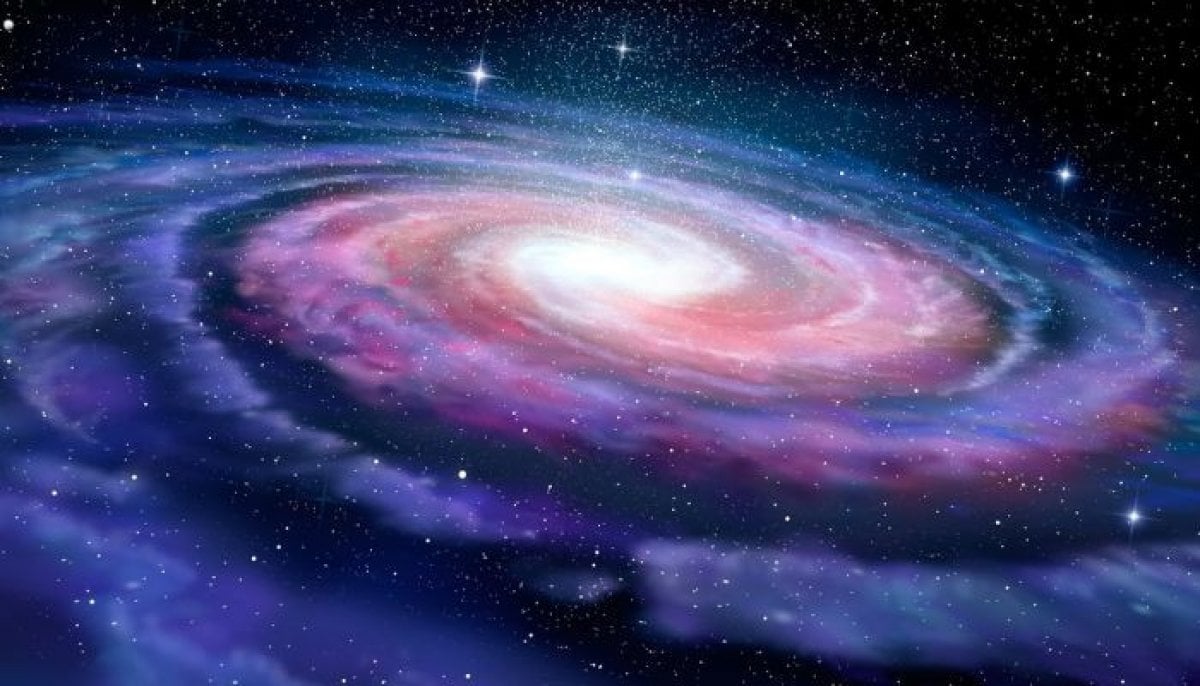
A new study published in The Astrophysical Journal by Davis astronomers reveals massive galaxy collisions through a combination of X-ray and optical light data.
The recent composite image, created using NASA’s Chandra X-ray Observatory and visible-light surveys, provides crystal clear evidence that two galaxy clusters are currently colliding.
Astronomers further utilised Chandra’s X-ray capabilities to scrutinise intense hot gas within the structure.
It has been observed that the gas in such clusters commonly serves as an aureole, however in this case, the gas is thinned out, revealing that two sub-clusters are colliding.
This gas contains a greater mass than all the galaxies combined, along with a significant amount of non-luminous, or dark matter.
Exploring the hidden secrets of dark matter
Researchers use computer models to study these clusters, which first collided over 2 billion years ago and reached a point of maximum impact or shock approximately 400 million years ago.
In spite of the specific timeline, this offers scientists a deeper understanding of how dark matter behaves during high-speed collisions.
The study will help to discover crucial insights about the mysterious substance that makes up the majority of the universe.


-
 ‘It's time to say goodbye’: Gary Stevenson pauses YouTube channel amid mental health struggles
 -
 US-Russian space crew returns to Earth after eight-month mission on the International Space station
 -
 Lamine Yamal’s girlfriend Ines Garcia hits 4 million Instagram followers after Spain’s World Cup win
 -
 Are we closer to a real-life ‘genie’ that grants any wish: Here's what Sam Altman thinks
-
 FCC approvals can transform Earth's night sky, experts warn
 -
 Double meteor shower peaks this week: Best time and tips to see celestial event
 -
US-Russian space crew returns to Earth after eight-month mission on the International Space station
-
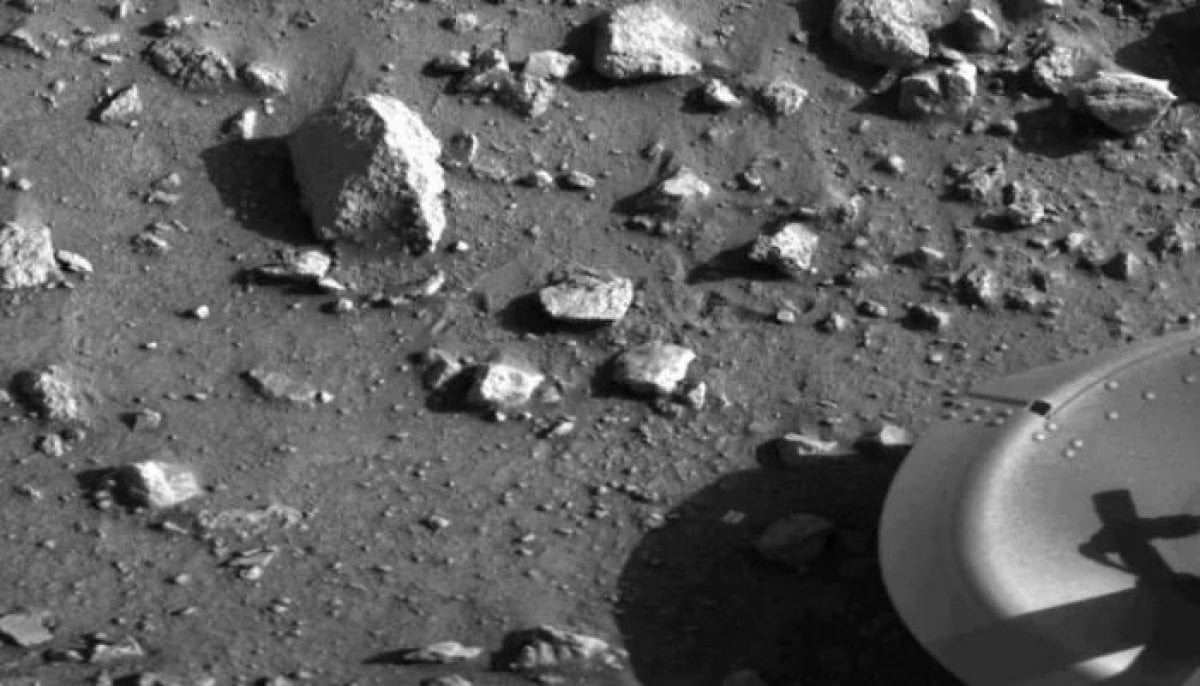 Viking 1 mars landing: 50 years since first photos
 -
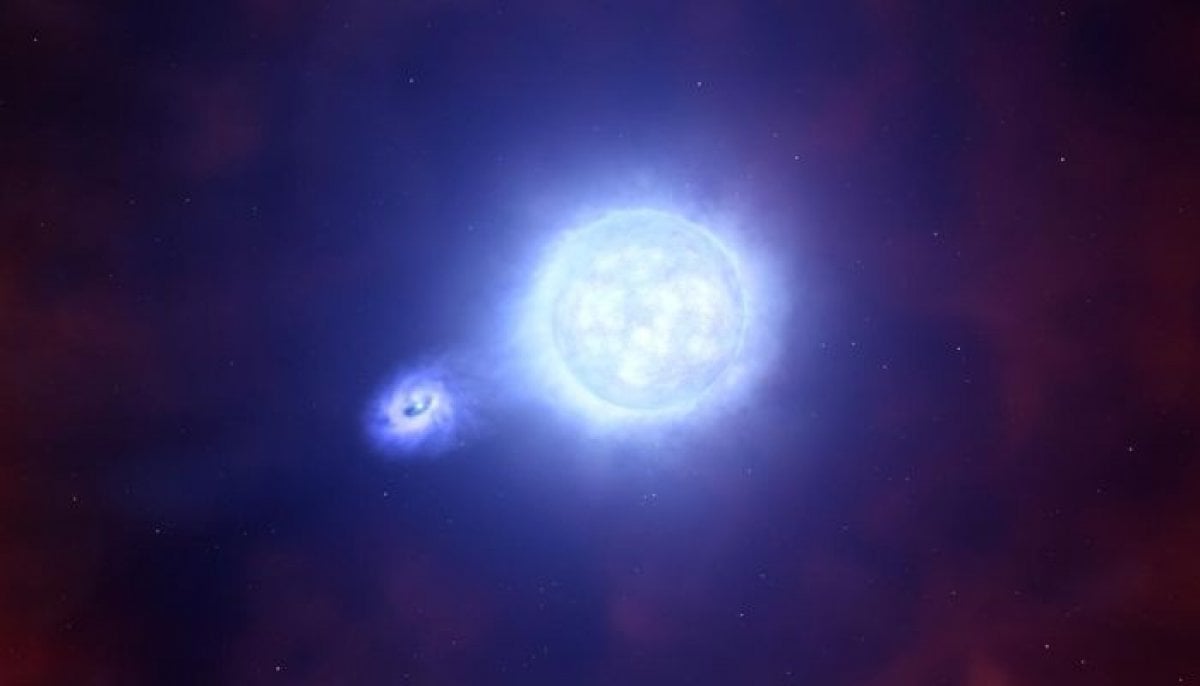 Four hidden dead stars found in Earth's backyard
 -
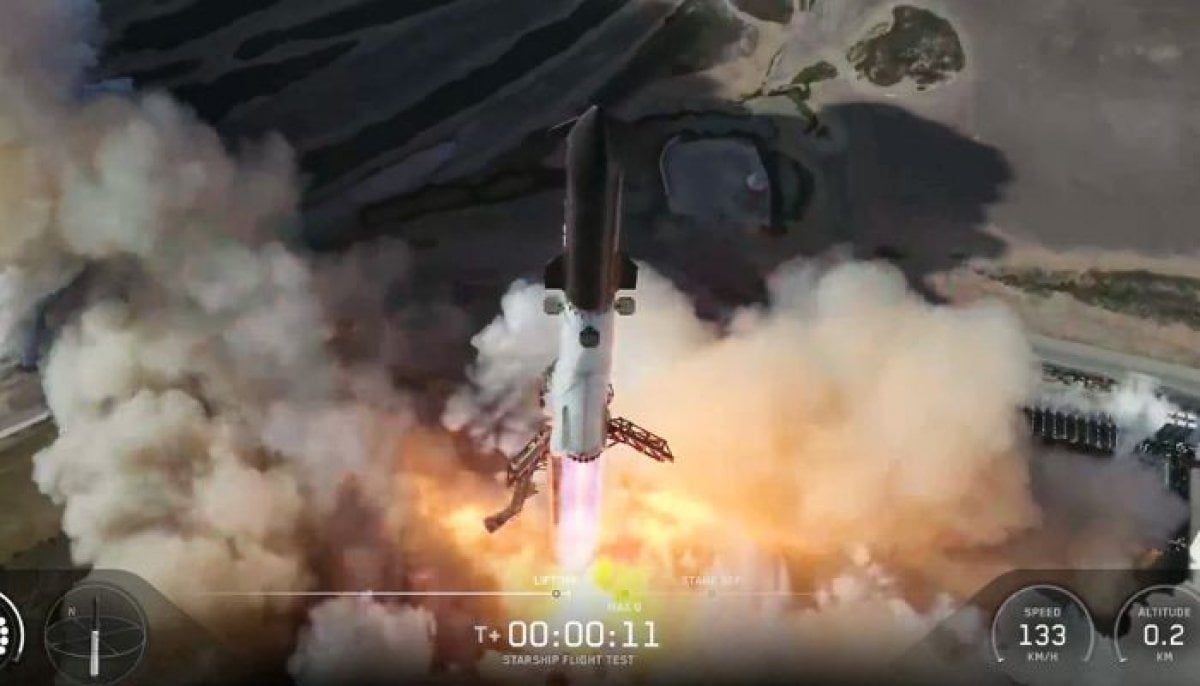 What happened during SpaceX’s 13th Starship test? First upgraded Starlinks successfully deployed
 -
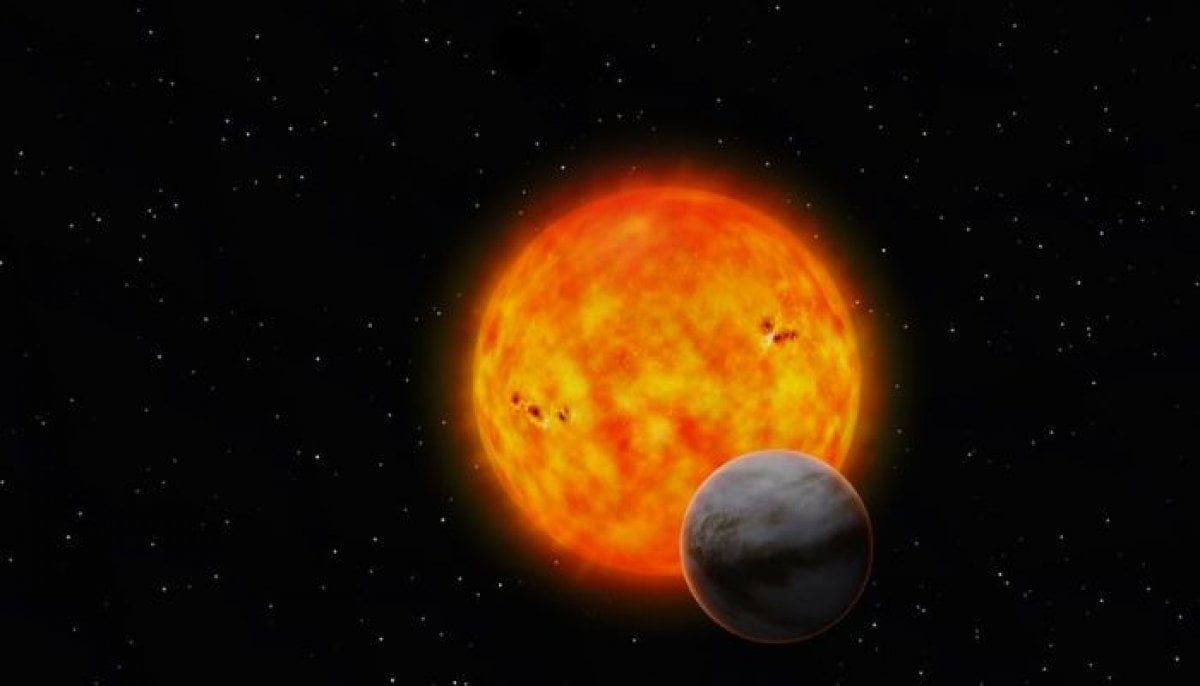 Astronomers may have found the first moon beyond our solar system
 -
 Space datacenters could catastrophically pollute Earth, groups warn