China sets up $8.9B fund to boost 2026 consumer goods trade-in
China set aside 300 billion yuan in special treasury bonds this year

China has unveiled a $8.9 billion (62.5 billion yuan) fund to support and boost its consumer goods trade-in plan for 2026.
As reported by state news agency Xinhua, the report did not specify the total amount allocated to the fund for next year’s scheme.
According to a statement jointly issued by China’s finance ministry and state planner, the 2026 scheme will also include digital and smart products.
Smartphones, smartwatches, and tablets will be eligible for 15 percent discount, limiting to 500 yuan each.
Home appliances belonging to six major categories will be qualified for 15 percent subsidy, capped up to 1,500 yuan per item.
Buyers scrapping old cars will get subsidies equal to 12 percent of purchase price of new energy vehicles, capped at 20,000 yuan.
In the case of replacing the old vehicles with new NEVs, the buyers will receive 8 percent, up to 15,000 yuan.
The consumer goods trade-in scheme was launched by China in 2024, aiming to offer subsidies and support domestic demand in the midst of economic slump and trade pressure at domestic and international levels.


-
 OPEC+ agrees to keep November oil targets steady amid market uncertainty
-
 Meta’s AI data centers: What to know about its major tax strategy
-
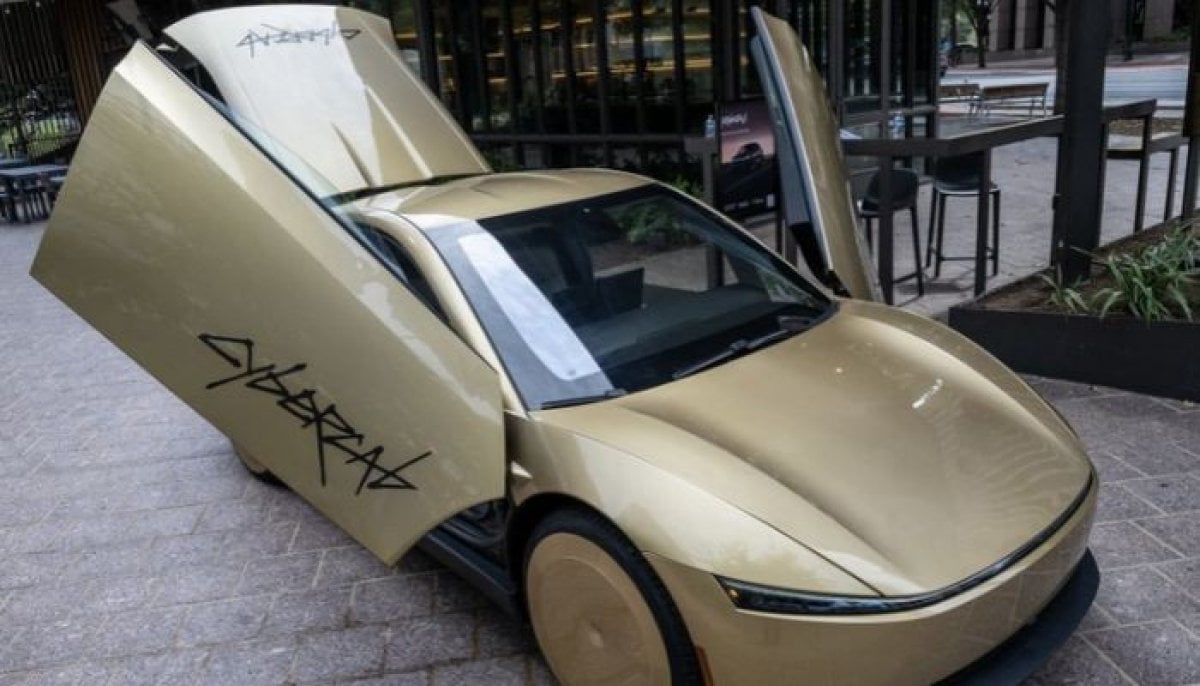 Tesla’s Cybercab faces a tough test after rocky Austin debut: Here's why
-
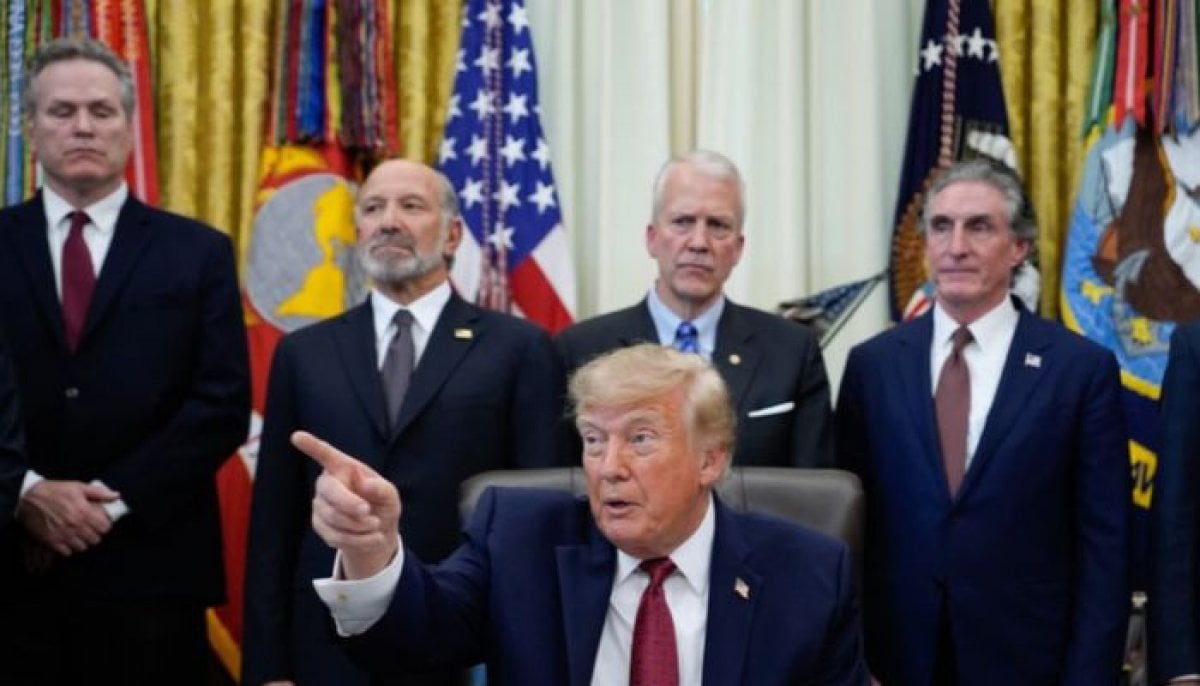 Trump pushes South Korea on Alaska LNG deal: Why Seoul is hesitant
-
 AI boom could trigger severe market shocks, Bank of England warns
-
 US inflation rises less than expected: What to know
-
 OpenAI’s revenue run rate nears $70 billion: What to know
-
 Canada’s economy records zero growth in July as key sectors decline
-
 UK diesel price hits all-time high amid Middle East supply crunch, RAC warns
-
Meta’s Muse AI agent gets new tools for small businesses: What to know
-
China weighs allowing ByteDance, Alibaba to purchase new Nvidia RTX Pro 5500 chips
-
Why Bill Gates is calling for stronger AI rules amid growing safety concerns