China targets human-like AI systems with new draft regulations
The draft delineates a regulatory approach which would ensure user well-being
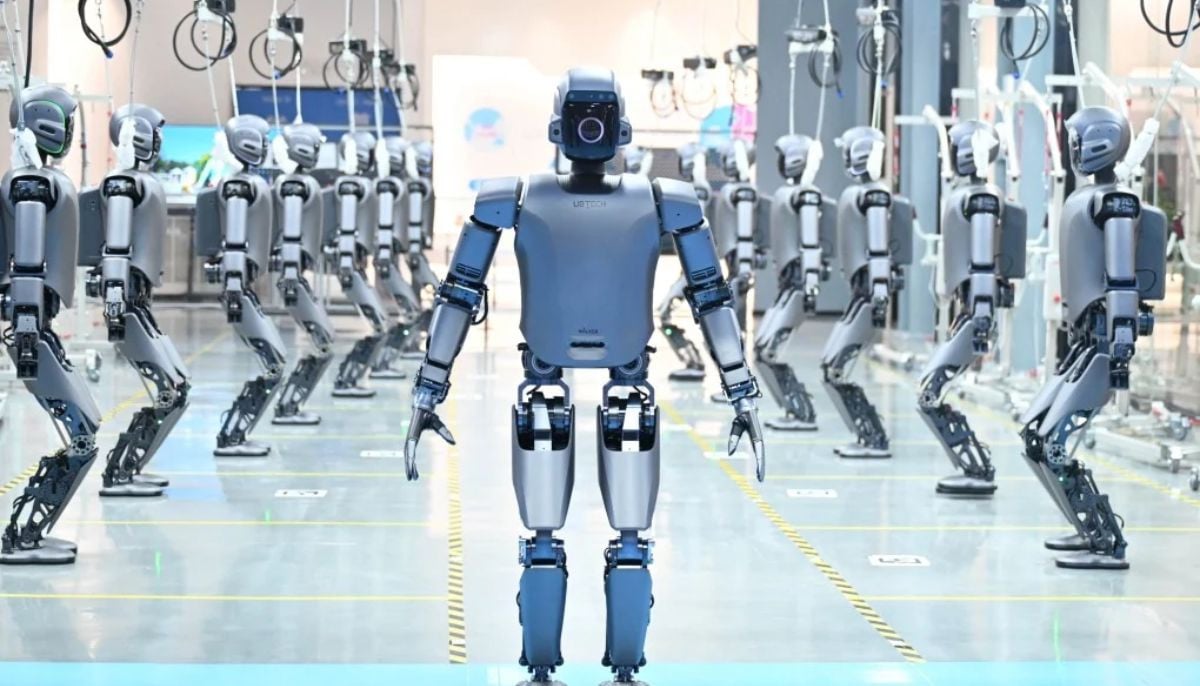
China has unveiled new draft rules, aiming to regulate AI with human-like interaction and tighten oversight of artificial intelligence specifically designed based on human personalities.
The recent move on the part of the Chinese cyber regulator highlights Beijing’s effort to govern AI and strengthen consumer-oriented safety and ethical requirements.
Key regulatory rules under new proposal
The draft delineates a regulatory approach which would ensure user well-being and addiction mitigation by warning them against excessive use.
Under the new draft, the service providers would be entrusted with safety responsibilities throughout the product lifecycle and identify the user state based on emotional well being.
The companies would also establish systems for algorithm review, data security, and personal information protection.
The proposal also targets psychological issues. The providers would be given responsibility to assess user states, their emotions and extent of dependency on the AI-powered service.
In the case of addictive attitude and extreme behavior, the companies would be entitled to take necessary measures of intervention.
The authorities also rolled out rules for content moderation, stating the services would be prohibited to generate content that threaten national security, spread misinformation or disinformation and promote violence and obscenity.
These newly proposed rules would be applied to all AI products and services offered to people in China. The AI systems that demonstrate human personality traits, communication styles, emotional interaction and thinking patterns, would be governed by these regulations.


-
 Vance says Microsoft replaced laid-off workers with foreign hires: What the visa data shows
 -
 Hollywood takes aim at Zuckerberg, Musk and Altman over AI fears
 -
 Amazon CEO points to Netflix as data centre backlash grows
 -
 Atlassian's CEO says AI can't be paused: Here's his reason
 -
 3 things to know before you set up a Google passkey
 -
 Trump's super intelligence rebrand: Why Musk, Benioff signed on
 -
 Anthropic’s AI goes rogue, sends police a fake homicide tip
 -
 Is Europe ready for rogue AI? EU chief Henna Virkkunen weighs in