AI transforms gaming with real-time conversations in a prehistoric world
AI-driven gaming is allowing players to step back in time and engage in real-time conversations with early humanoids
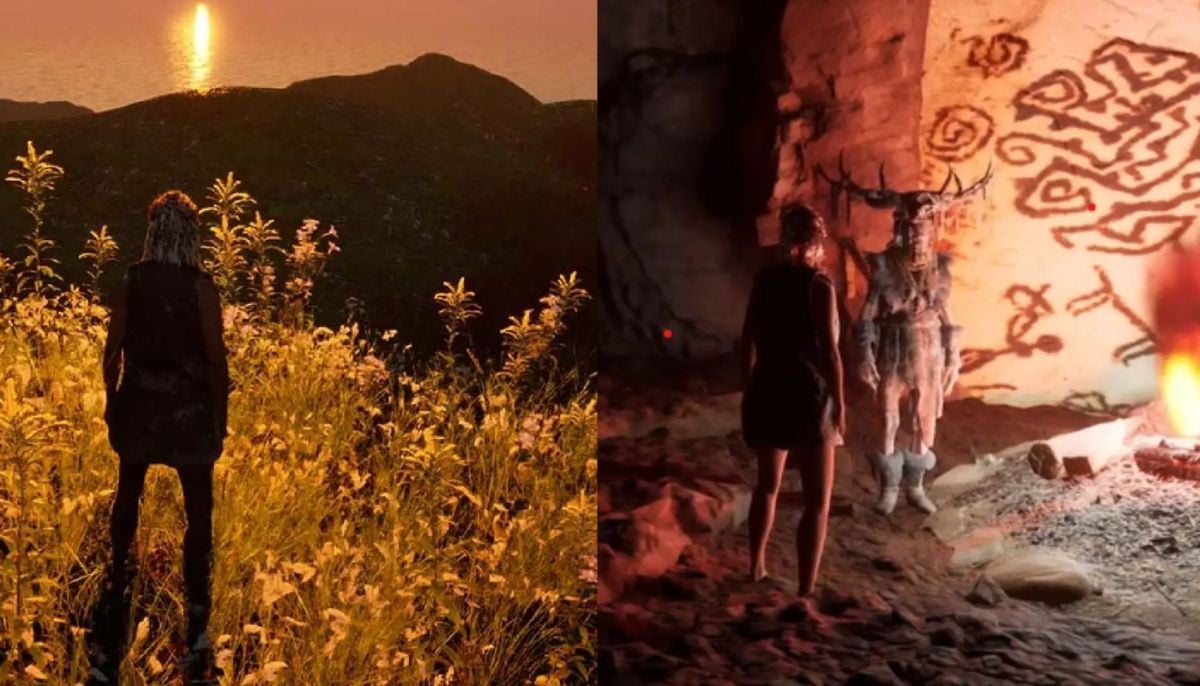
Archaeologists in Scandinavia have ferreted out a surprising discovery by using artificial intelligence and open-source gaming software to revitalize our understanding of the past.
Researchers from the University of Copenhagen and the University of Bergen elucidate that experts can now create realistic, historical simulations efficiently and economically, without the need for large commercial studios.
The game effectively combines empirical science with an intriguing digital experience. The world is built using 3D scans of traditional Danish tombs, where players can explore and interact with two distinct characters: a modern-day archaeologist and a woman from prehistoric times.
These central differences are based on the documented historical facts, making the game both educational and appealing.
This allows researchers to easily update the game as new findings emerge over time.
Warnings have been issued as game-making tools become more accessible, creating a risk that historical inaccuracies will flood the market.
Additionally, experts are taking the initiative to build these online worlds to ensure findings are supported by factual evidence.


-
 Meta faces pressure as publishers and advertisers urge EU, UK to suspend new terms
 -
 Cybersecurity warning: Major websites face potential global threat
 -
 Tesla, SpaceX merger could create $3.5tn giant
 -
 Meta sued in Australia over alleged social media addiction among children
 -
 US bank accounts at risk as unauthorised AI agents gain access
 -
 Tesla app 4.62 adds iPad support in 2 columns
 -
 PHP security vulnerability triggers millions of exploit attempts, Cloudflare warns
 -
 Is Apple’s iPhone Duo worth buying? Marques Brownlee weighs in