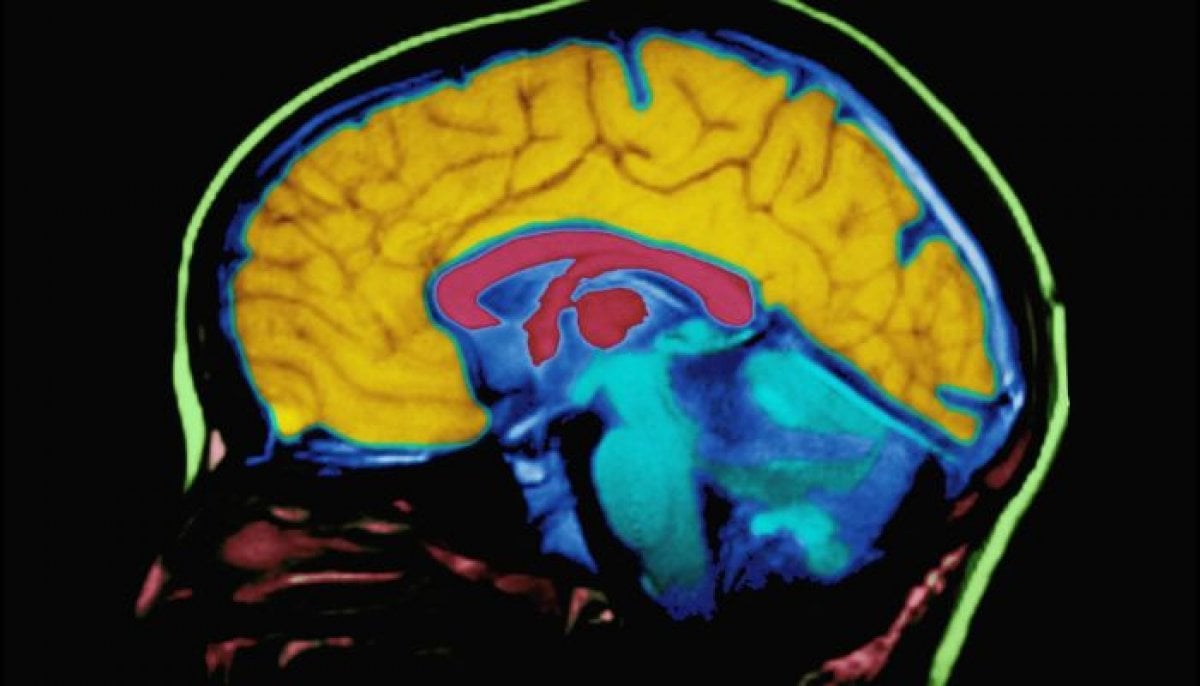
Scientists warn of new indoor contaminants as hidden health threat
People usually spend 90 percent of their time indoors, making them more susceptible to harmful chemicals

Scientists in a recent study have discovered that indoor environments are exposing people to a growing mix of “new contaminants”, thereby increasing the risks of various diseases related to lungs, heart, and cancer.
According to findings published in the journal New Contaminants, although most of the research is conducted on outdoor pollution, people usually spend 90 percent of their time indoors, making them more susceptible to harmful chemicals.
Growing mix of “new contaminants”
New contaminants consist of persistent organic pollutants, including antibiotics, microplastics, and endocrine disrupting chemicals. The sources of these new contaminants are sunscreens, shampoos, plastics, paints, carpets, building material, and electronics.
These pollutants enter the body through inhalation, skin contact, and ingestion, thereby leading to their widespread detection in urine, blood, breast milk, and bone marrow. Consequently, people suffer from the risk of heart disease, cancer and developmental issues.
Unlike traditional outdoor contaminants, new indoor contaminants are more dangerous as they act as chemical reactors. As a result of chemical reaction, these contaminants can morph into new, more persistent, and toxic chemicals.
According to corresponding author Wei Du of Kunming University of Science and Technology, "In many buildings indoor pollution can be more severe than what we measure outside and that is especially worrying for children and older adults who rarely leave these environments.”
“Our daily routines bring us into constant contact with chemical residues in the air, dust and on surfaces even when we cannot see or smell them,” he added.
Given the severity of indoor contaminants, it is the need of the hour to ensure systematic monitoring of these new contaminants across indoor settings. Moreover, high-resolution measurements and research must be conducted to protect the generations.


-
 Novo says new Ozempic shows lower cardiovascular risk compared with Lilly’s Mounjaro
 -
 University of Nottingham researchers say new gel could regrow tooth enamel in weeks
 -
 New Chinese drug extends stroke treatment window from hours to 2 days: study finds
 -
 Trump’s FDA nominee Heidi Overton defends vaccines, contradicting his claims
 -
 New once-weekly insulin injection for type 2 diabetes wins FDA approval
 -
 Study identifies key cause of fatigue and brain fog
 -
 Apple’s screenless fitness tracker plans revealed: What to know
 -
 Rabies concerns grow in US, sparking health warnings over fatal virus