Tiny enzyme mutation may be missing link in dementia, new study reveals
GPX4 acts as a protective shield for nerve cells
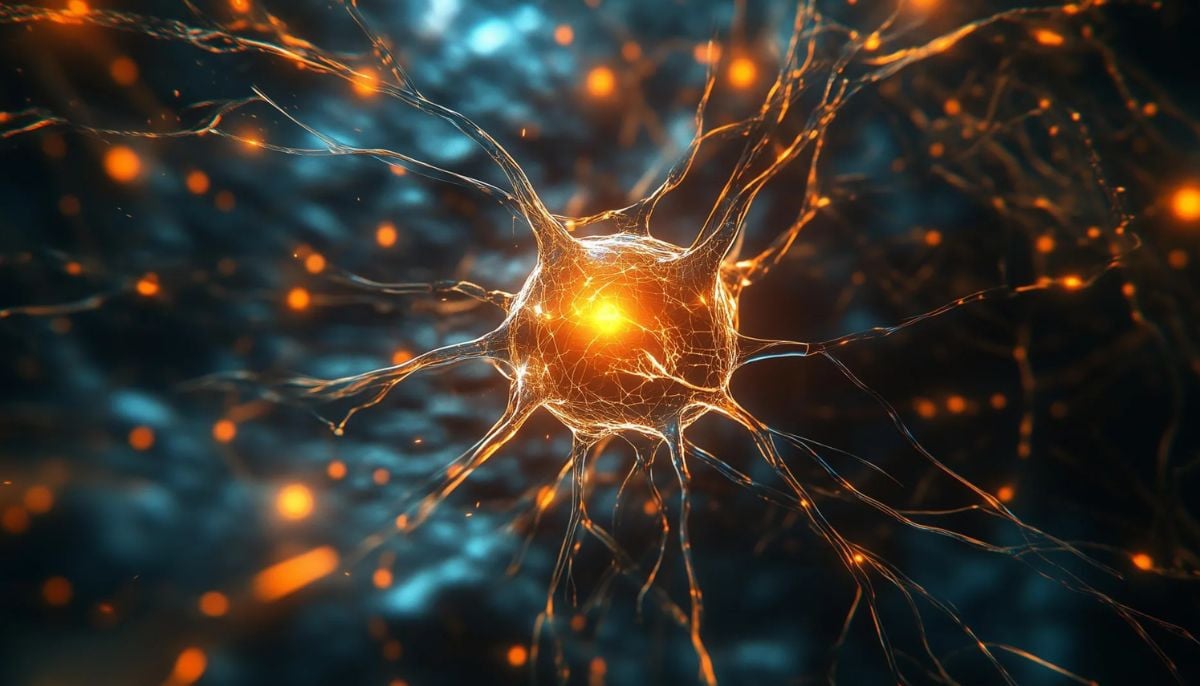
Researchers in a recent breakthrough have identified hidden enzyme mutation behind the cases of dementia, thereby leading to ferroptosis cell death.
A new study led by Prof. Marcus Conrad at Helmholtz Munich and TUM explains how nerve cells can protect themselves from neuron death. At the core of their study lies the essential selenoenzyme glutathione peroxidase 4 (GPX4).
According to findings published in the journal Cell, GPX4 acts as a protective shield for nerve cells. Normally, the enzyme works by inserting a short protein loop inside the inner surface of the neuronal membrane, thereby allowing GPX4 to detoxify lipid peroxides and harmful molecules and shield from cell death.
"GPX4 is a bit like a surfboard. With its fin immersed into the cell membrane, it rides along the inner surface and swiftly detoxifies lipid peroxides as it goes,” said Conard.
A point mutation in GPX4 disrupts its function and causes a severe form of early-onset dementia in children.
Consequently, the mutated enzyme fails to insert itself in the membrane correctly, leading to accumulation of lipid peroxides. As a result of accumulation, the membrane becomes susceptible to ferroptosis, the cell ruptures, and nerves are damaged.
The research also offers the potential for future therapies in order to slow down the process. According to early tests, blocking ferroptosis can slow down the cell death caused by GPX4 loss.
The researchers are striving to envision genetic and molecular strategies to protect the GPX4 system and prevent ferroptosis.


-
 Novo says new Ozempic shows lower cardiovascular risk compared with Lilly’s Mounjaro
 -
 University of Nottingham researchers say new gel could regrow tooth enamel in weeks
 -
 New Chinese drug extends stroke treatment window from hours to 2 days: study finds
 -
 Trump’s FDA nominee Heidi Overton defends vaccines, contradicting his claims
 -
 New once-weekly insulin injection for type 2 diabetes wins FDA approval
 -
 Study identifies key cause of fatigue and brain fog
 -
 Apple’s screenless fitness tracker plans revealed: What to know
 -
 Rabies concerns grow in US, sparking health warnings over fatal virus