New moonquake discovery may force NASA to rethink lunar missions
The discovery of recently formed faults near the Moon’s South Pole is a crucial factor that could change NASA’s Artemis mission plans
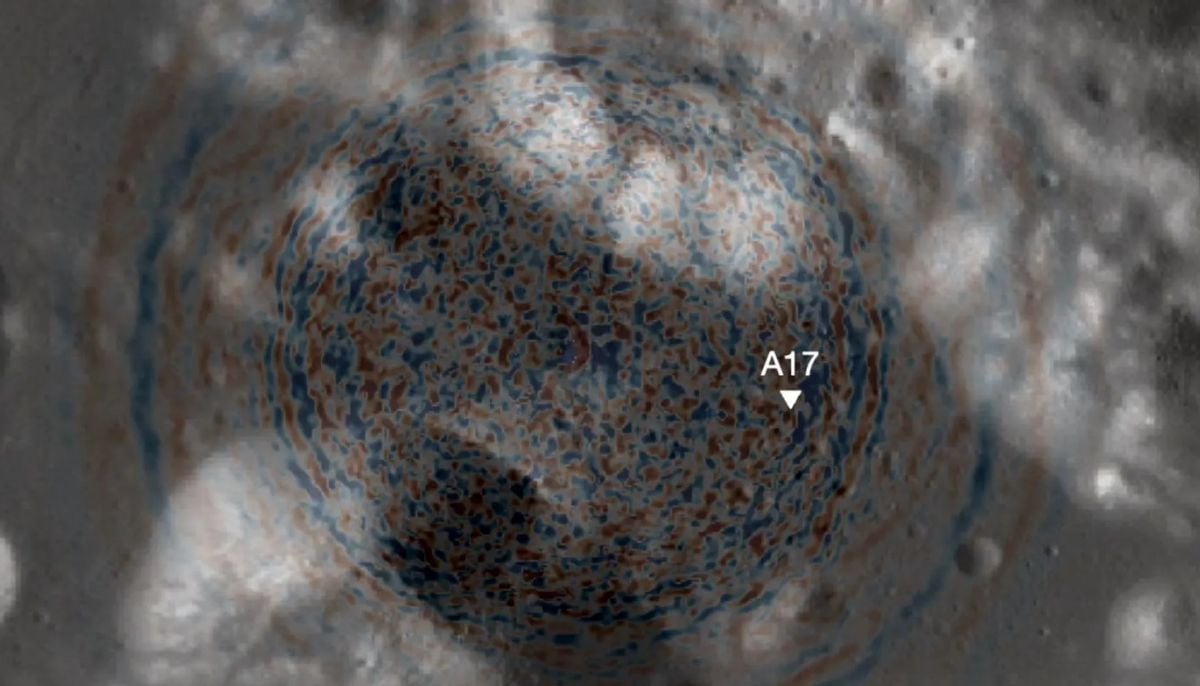
A new study report has been published which demonstrated that shaking from moonquakes, rather than significant impacts from meteoroids, was the driving force behind the shifting terrain in the Taurus-Littrow valley.
The researchers also scrutinized the likely significant influence of cell fault movement for the changing surface features and evaluated plausible damage by applying updated models of lunar seismic activity.
The study was published in the journal Science Advances.
Examination of Apollo 17 unveils Ancient Moonquake Activity
Watters and Schmerr analysed samples during Apollo 17. They documented that inundation and landslides appear to have been triggered by moonquakes.
Scientists have specifically analysed this geological evidence, and estimated how powerful these past quakes were and identified the most likely source for generating them.
The study further suggests that moonquakes with magnitudes near 3.0 repeatedly shuddered the area over the last 90 million years.
The patterns of seismic activity point to the possibility that this fault is just one of many young thrust faults pinpointed across the moon.
Examining daily risks for future lunar operations
Brief missions such as Apollo 17 experienced little danger due to their limited duration. The researchers concluded that projects involving longer stays face a danger.
However, the upcoming missions using taller lander designs, incorporating the Starship Human Landing System, may result in increased amplitude caused by moonquakes close to an active fault.
These concerns are especially crucial as NASA moves forward with the Artemis program, which aims to retain a continuous human presence on the moon.
Lunar Paleoseismology must forged ahead
This research was a part of an emerging field known as lunar paleoseismology, which focuses on past seismic activity.
In this connection, scientists can accelerate to higher resolution mapping as new technology and upcoming Artemis missions plan to establish seismometers far more advanced than those used during Apollo.
The recent study concludes that safety concerns for lunar exploration and investments that need careful consideration are new priorities.
In addition, researchers avoided the top of a scarp; instead, they found a point that was further away and less difficult.


-
 SpaceX Falcon 9 launches 21 military satellites into orbit
 -
 Could a newly engineered microbe help humanity survive on Mars?
 -
 Astronomers find most distant fast radio burst ever recorded
 -
 Draconid meteor shower tonight: Best time and places to see it
 -
 ‘A dream for 50 years’: Why world’s first nuclear clock could change timekeeping
 -
 NASA Curiosity captures strange ‘wind-carved’ Mars landscape in dawn image
 -
 NASA's Crew-12 Dragon begins return trip from space station
 -
 Mysterious ‘phoenix planet’ found around the remains of a dying star