Scientists finds clue to prevent childhood asthma
WHO 2019 report reveals more than 262 million people were affected by asthma, causing 455,000 deaths globally
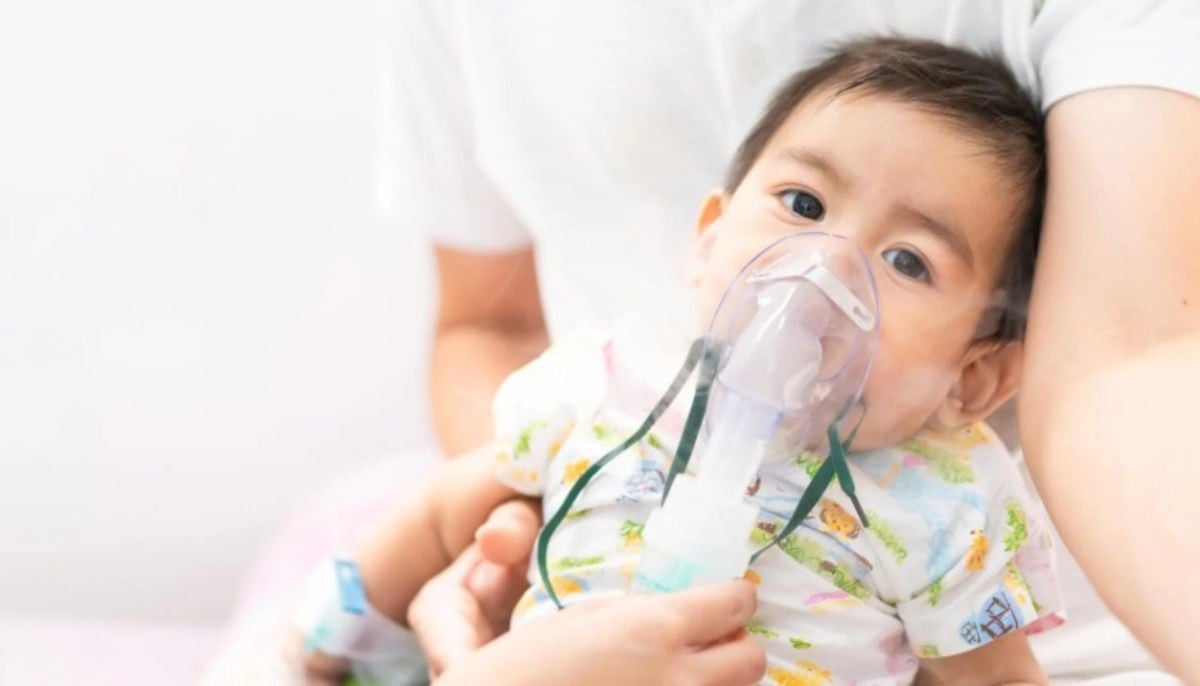
A team of scientists found a clue to prevent childhood asthma in kids that are genetically prone to allergies.
According to the World Health Organization WHO, asthma is a major noncommunicable disease NCD affecting both children and adults but mostly common in children.
As per a report published in 2019, more than 262 million people were affected by asthma, causing 455,000 deaths.
Since then, medical experts have found that avoiding asthma-related triggers can also reduce asthma symptoms in children.
Researchers found that Respiratory Syncytial Virus RSV infection can set the stage for childhood asthma, as the virus appears to skew the developing immune system toward exaggerated responses to everyday allergens.
The research findings published in Science Immunology indicate that protecting newborn babies from RSV could meaningfully lower asthma rates later in life.
The study unveiled that 5-15 % children are living across Europe with asthma-a long-term condition that affects everyday well-being—and discovering early asthma symptoms has become a major health priority now.

Professor Bart Lambrecht from UGhent, Belgium, and senior author of the study, explains, “Childhood asthma is a complex disease with many contributing factors.”
By quoting one, he said, “We have found that early-life RSV infection and genetic allergy risk interact in a very specific way that pushes the immune system toward asthma.”
“The encouraging news is that this process can be prevented,” the professor added.
To evaluate the process, the researchers combined nationwide health registry information from all children from Denmark with controlled laboratory studies and revealed how an early viral infection can magnify the impact of inherited allergy risk.
Belgian researchers from VIB and Ghent University have found strong evidence that RSV infection in early infants can develop childhood asthma, especially in children who have a family history of allergies, as the allergen-specific antibodies passed from parents to their newborns act faster.
Co-senior author Professor Hamida Hammad VIB informed that, “With RSV prevention now becoming widely accessible, we have an opportunity to improve long-term respiratory health.”
“This is not just a laboratory insight. It's a message that should help parents choose RSV prevention with confidence."
Additionally, the study was supported by the European Research Council.
Professor Bart expressed that, “This is a moment where policy, science, and pediatricians can come together, and the benefits for families and health systems could be enormous.”
Furthermore, the subject of asthma is also included in the WHO Global Action Plan for the Prevention and Control of NCDs and the United Nations 2030 Agenda for Sustainable Development.


-
 Virginia Sen. Louise Lucas indicted on racketeering and marijuana charges
 -
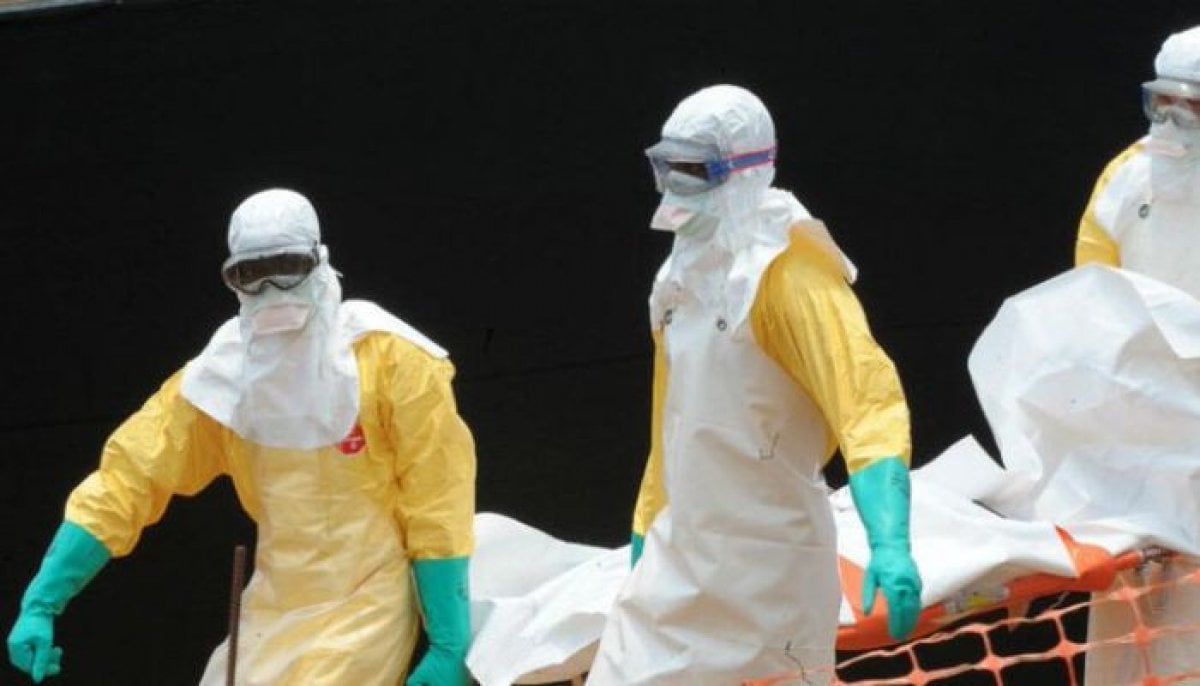 France confirms world's first human case of Shamonda virus; patient dies
 -
 OpenAI agents uncover brain disease leads: Here’s how
 -
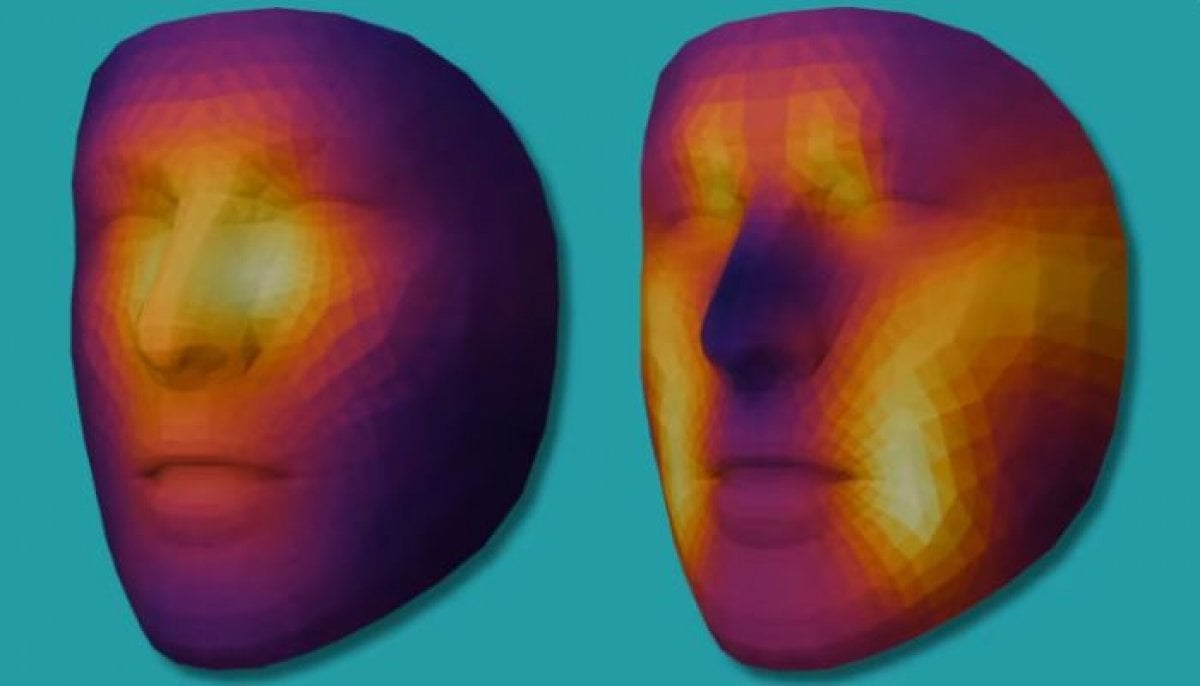 AI tool can now predict cancer survival by a single patient selfie: Find out how
 -
 Scientists identify a new type of depression affecting 1 in 4 patients
 -
 Everything to know about US FDA’s new guidance on apps used with prescription drugs
 -
 ‘Immortal’ jellyfish could hold clues to slowing human ageing
 -
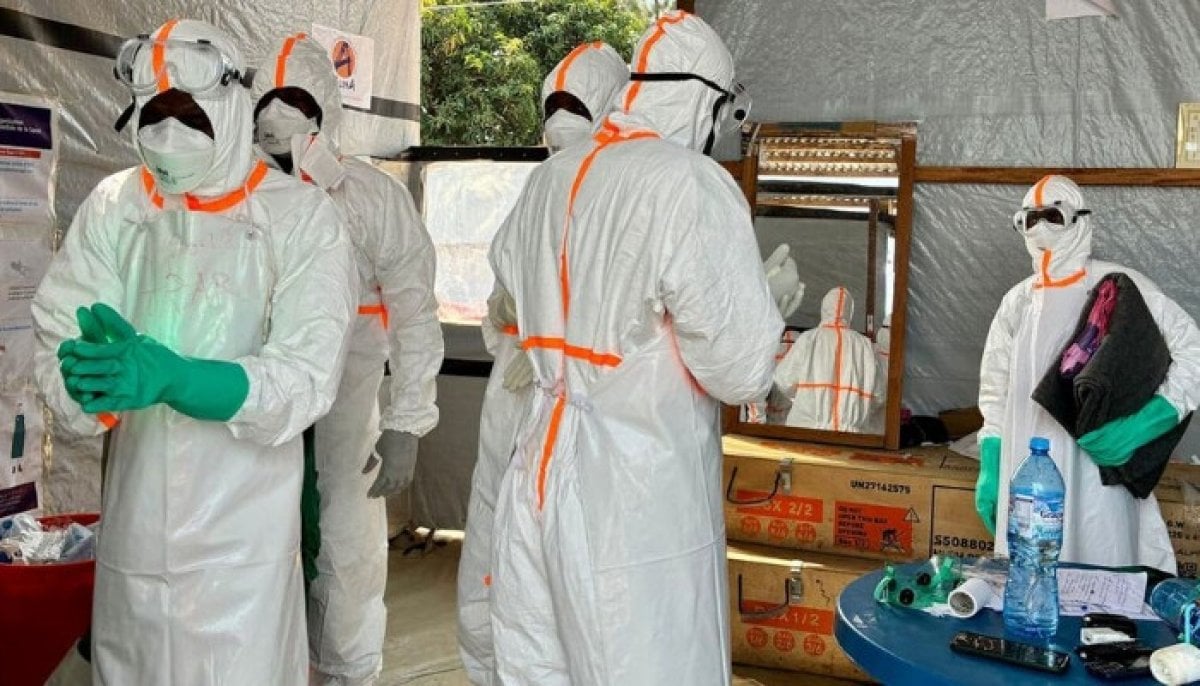 Ebola crisis worsens in DR Congo as virus reaches eighth province with over 4,500 dead
-
 Study finds eating blueberries every day can surprisingly boost your mood
 -
Eli Lilly’s Foundayo weight-loss pill gets European approval recommendation
-
What is BPC-157? Trump administration considers easing rules on popular peptide injections
-
West Nile virus: Europe reports 141 deaths as human cases rise in 2026