Starwatch: How interplanetary sunlight, dust combine to create soft glow of zodiacal light
The zodiacal light is a faint triangular glow you can find an hour before dawn to observe a celestial phenomenon
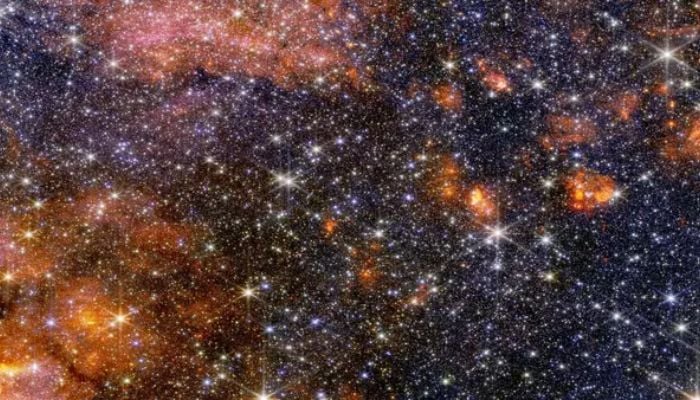
This week stargazers will be able to experience the zodiacal light, one of the more subtle celestial phenomena which appears as a faint, cone shaped glow along the path of the ecliptic.
The zodiacal light is the soft glow created when sunlight is scattered off the lens-shaped cloud of its interplanetary dust that orbits the sun. This dust primarily comes from comets and asteroid collisions.
Cosmic Pyramid: How sunlight and dust combine to create the Zodiacal Light’s triangular glow
The zodiacal light emerged as a faint triangular glow stretching up from the horizon while observing from the Earth.
In the weeks around the equinox, the plane of the solar system known as the ecliptic, stretches upward into the sky and rises abruptly from the western horizon.
How to find the best time and location to view an Eastern sunrise?
Skywatchers should choose the darkest site with a clear view of the eastern horizon and settle in about an hour before dawn.
To identify the cluster of Leo and Cancer where the soft glow is about to appear, they can start their observation around 4 a.m. UK time.
The glow will closely resemble the dawn but can be distinguished by its wedge-like or triangular appearance.
In the southern hemisphere the situation is different: the zodiacal light can be observed about an hour after sunset, stretching up from the western horizon.
Additionally, the tapered light will extend upwards through Virgo and Libra.


-
 Sora shutdown forces AI film Critterz to miss Cannes
 -
 Kyle Busch’s final NASCAR win message leaves fans heartbroken
 -
 Savannah Guthrie gets emotional as exciting news shared with her
 -
 Olivia Rodrigo releases new song 'The Cure': 'It's my favorite on the album'
 -
 'Michael 2' confirmed: Lionsgate chairman feels 'excited about the progress'
 -
 Matt Damon feels jealous of 'The Odyssey' costar Charlize Theron's one physical trait
 -
 Lizzo shares fun story behind her social media moniker
 -
 'If I do attend, 'I get killed': President Trump on son's wedding