
Exploding black hole likely to be detected within 10 years, say scientists
‘It would completely revolutionize physics and help us rewrite the history of the universe,’ according to experts
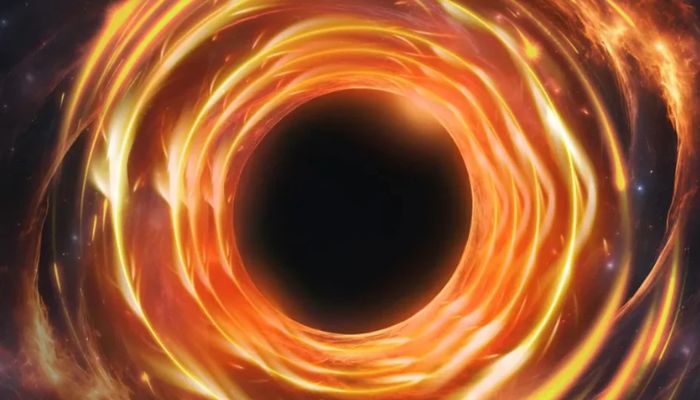
Astronomers have predicted that in the coming decade humanity will witness 90 percent chances of black hole explosion in a breakthrough study.
According to the research study from the University of Massachusetts Amherst, it would be possible for humans to spot an exploding black hole with the help of Earth-based telescopes.
If proven right, such detection would validate the existence of “primordial black holes” that were born 13.8 billion years ago, a second after the Big Bang.
The research team behind the study published in Physical Review Letters, also proposed a new model of the electric charge of black holes, calling it “dark-QED toy model.”
The model is based on the massive and heavy electron dubbed as “dark electron.” This model, if proven correct and successful, could help astronomers to detect primordial black hole explosions after every 10 years.
According to team member Michael Baker, “We are not claiming that it is absolutely going to happen this decade, but there could be a 90 percent chance that it does. Since we already have the technology to observe these explosions, we should be ready.”
The possibility of detection would not only revolutionize physics, but also help the scientists to rewrite the history of the universe.




-
 Major Hollywood stars descend on 2026 Super Bowl's exclusive party
 -
 Travis Kelce's true feelings about Taylor Swift's pal Ryan Reynolds revealed
 -
 David Beckham pays tribute to estranged son Brooklyn amid ongoing family rift
 -
 Brooklyn Beckham covers up more tattoos linked to his family amid rift
 -
 Jennifer Hudson gets candid about Kelly Clarkson calling it day from her show
 -
 Bad Bunny faces major rumour about personal life ahead of Super Bowl performance
 -
 Will Smith couldn't make this dog part of his family: Here's why
 -
 Kylie Jenner in full nesting mode with Timothee Chalamet: ‘Pregnancy no surprise now’