End of privacy? Brain implants aim to decode humans' inner thoughts
In a recent study, scientists successfully decode not only inner voices but also the words one can only imagine
_updates.jpg)
In a groundbreaking study, the researchers have made a breakthrough in deciphering inner thoughts and imaginations, the realm that was once considered unconquered.
In a project named BrainGate 2, the scientists from the Stanford University have achieved accomplishment in decoding inner speech directly from human brain activity by using a brain-computer interface (BCI).
The brain-chip implant during the trial successfully deciphered sentences that were thought, but not spoken about with accuracy of 74 percent.
BCIs usually work by connecting a person’s nervous system to devices that can easily interpret the brain activity and allow the patients to perform actions with their thoughts.
Such technology will pave the way for treating people with disabilities, helping them to regain independence.
According to the latest findings that were published in the journal Cell, these devices can allow those who cannot even speak.
Erin Kunz, one of the study’s authors, said, “This is the first time we have managed to understand what brain activity looks like when you just think about speaking.”
During the test, the team implanted microelectrodes into the motor cortex of the four participants. They asked people to speak or imagine saying a set of words, leading to the different successful responses based on the activity.
Given the success of brain chips, some scientists have raised ethical and privacy concerns.
Ethicist Nita Farahany said, "That means the boundary between private and public thought may be blurrier than we assume. The more we push this research forward, the more transparent our brains become, and we have to recognize that this era of brain transparency is a new frontier for humanity.”
To counter these ethical concerns, Stanford's researcher tested two safeguards. First, they trained AI models to ignore inner speech unless they are instructed to recognize this speech pattern.
Second, they developed a password, more like an unlock phrase to protect the thoughts.
When participants imagined that particular password, BCI switched on and started decoding thoughts. Accuracy for detecting passwords was 99 percent.
“This work gives real hope that speech BCIs can one day restore communication that is as fluent, natural, and comfortable as conversational speech,” Frank Willett, an assistant professor of neurosurgery at Stanford University.


-
 'Harry Potter' star Bonnie Wright delivers second child at home
 -
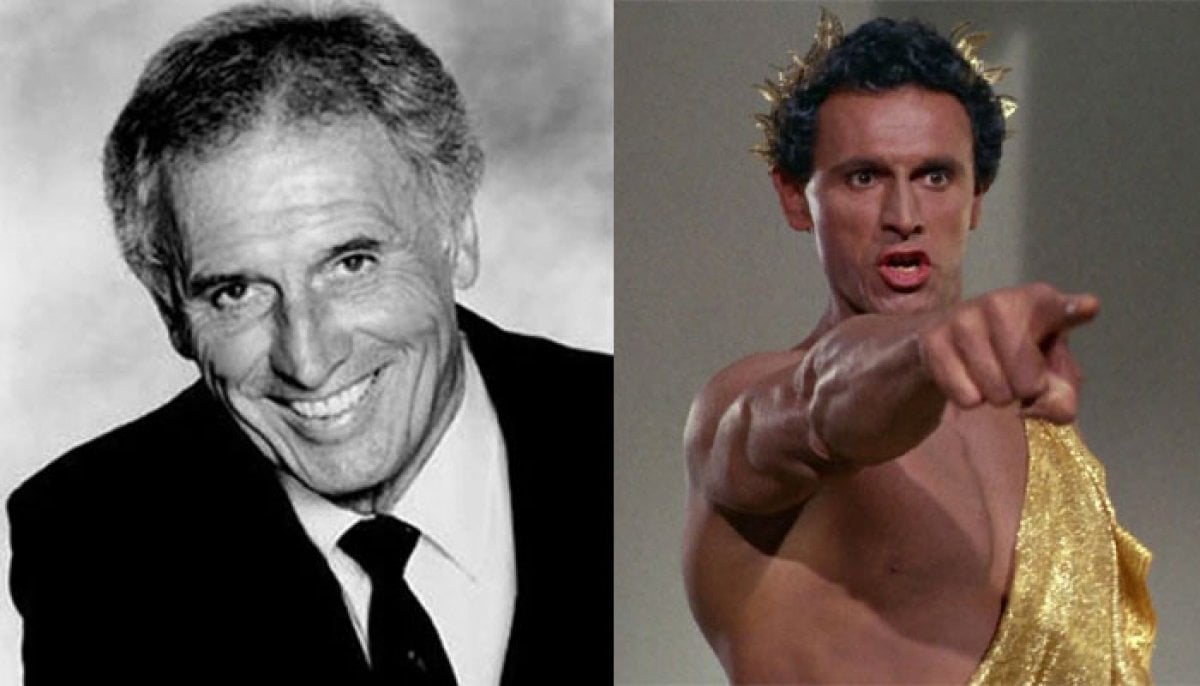 'Star Trek' actor Michael Forest dies at 97
 -
 TikTok bans 'Musk' documentary account
 -
 Kim Kardashian looks back on the 'calm before the storm' with Kanye West
 -
 Lamine Yamal’s stunning early strike gives Barcelona the lead over Betis
 -
 Miley Cyrus gets emotional during first major concert in years
 -
 US Capitol Police schedule routine training exercise for Sunday: What to know
 -
 Billy Crystal reveals physical challenge of returning to Broadway at 78
-
 50 Cent reveals why he stays politically neutral and turned down Trump's multimillion-dollar offers
 -
Reform mayor Luke Campbell faces police probe over nude photo claims
-
50 Cent honors Eminem on 57th birthday
-
Elon Musk to share key message on solving US national debt in ‘The Builders with Walter Isaacson’ podcast soon