Google Gemini AI launches new opt-in memory feature for personalised chats
Google Gemini AI will remember the user’s previous selections with the new memory feature
Google Gemini AI has unveiled a significant update by introducing a new “opt-in memory” feature that enables the system to track user preferences and past interactions for more personalised responses.
The update was announced globally on August 13, 2025, enabling AI assistant to memorize details such as dietary restrictions, travel preferences, and allergies etc, eliminating the need for repeated input.
With this update, Google Gemini has intensified competition with Open AI’s ChatGPT which has also been working on improved personalised tools.
Users need to activate the feature manually. After activation, Gemini’s memory function extracts details from the previous conversations to tailor future responses.
For instance, if one prefers a gluten free diet, AI will remember this preference and when asked for restaurant recommendations, it will suggest only those that offer gluten-free options.
The feature builds on Google’s earlier experiments with AI personalization but now operates more seamlessly.
Despite improved personalization, privacy remains a key concern.
To address these, Google has introduced safeguards such as “Temporary Chat” mode, which will disable memory and a “Data Editing Dashboard” that enables users to review stored information manually.
Users can also delete the stored information from the dashboard.
The update rolls out as the EU’s AI Act tightens rules on data transparency. The AI Act requires AI companies to strike a balance between innovation and compliance.
Google urges users to review settings in Gemini’s Privacy Hub emphasizing that “Gemini Advanced” enables memory by default.


-
 Sadie Sink guarded her secret 'Spider-Man' role from the public but told select few
 -
 Marcos Llorente issues statement on photos with Ferran Torres?
 -
 Karyna Shuliak: Epstein’s dentist girlfriend could inherit $100 million
 -
 Did Ines Garcia hint at pregnancy? Lamine Yamal's girlfriend faces backlash over TikTok repost
 -
 'Love Island' crowns winners after final twist
 -
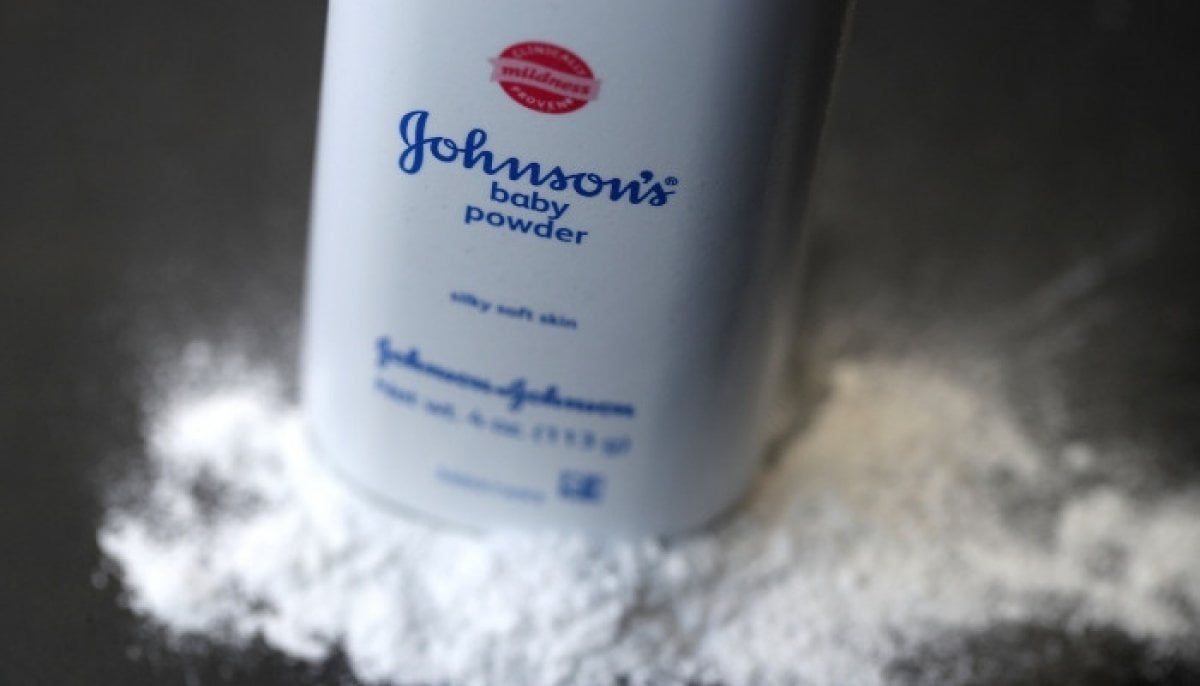 Johnson & Johnson seeks to end baby powder cancer lawsuits with $5.5bn deal
 -
 'Love Island' crowns winners after final twist
 -
 Usher fan defends herself after awkward onstage moment goes viral