
Gorillas rely on female friends for social support, research reveals
Gorilla’s change groups during their lives, a behaviour known as dispersal
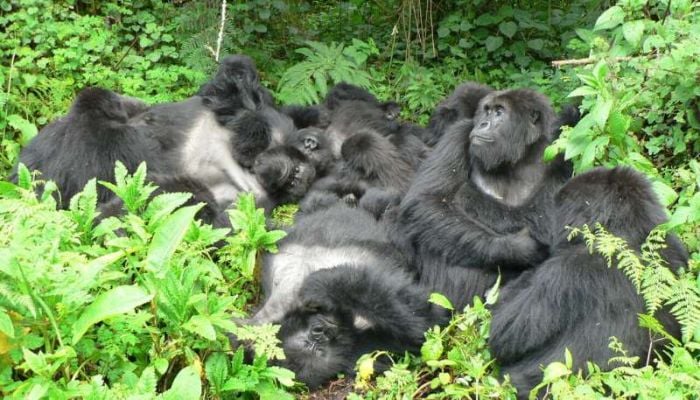
Female mountain gorillas are showing scientists how important friendship can be in the animal world.
A long-term study from Rwanda found that when a female gorilla moves to a new group, she often searches for another female she already knows. These connections, formed earlier in life, helps her settle into a new place more easily.
The research, carried out by the University of Zurich and the Dian Fossey Gorilla Fund, followed gorillas for over 20 years in Volcanoes National Park.
The team studied 56 female gorillas and noticed a clear pattern: they often rejoined old companions, even if they had been separated for many years.
Lead researcher Victoire Martignac explained that although the term friendship isn’t often used in science, the strong bond between female gorillas can’t be ignored. These connections are built through playing, grooming, or simply spending time together in earlier years.
Gorilla’s change groups during their lives, a behaviour known as dispersal. Both males and females do this to avoid inbreeding and to mix genes across different families. But it also shapes how they live socially. Tracking gorillas after they move is very hard, but thanks to years of daily observation, this study could finally follow their movements.
One key finding was that female gorillas often avoided joining groups that had male relatives. Instead, they were drawn to groups that had familiar females, especially those they grew up with or had recently spent time with.
This helps new arrivals feel safe. When a gorilla enters a new group, she often starts at the bottom and can face aggression from others. But if she already has a friend in the group, the transition becomes much smoother.
The finding, published in the Proceedings of the Royal Society B, challenges old beliefs about gorilla behaviour. Female to female relationships, which were once thought to be minor, are now seen as central to how gorilla society works.
Martignac believes these results don’t just tell us about gorillas, they also help us understand ourselves. Since gorillas are one of our closet animal relatives, their behaviour gives us a window into our own past.
She added, “We move around a lot in human life too. Seeing how female gorillas handle change and connection can help us understand the deep roots of our own social lives.”






-
 Why Elon Musk believes guardrails or kill switches won’t save humanity from AI risks
 -
 Tom Cruise, Nicole Kidman mend their relationship following the murder of Rob Reiner, wife Michelle Reiner?
 -
 Margot Robbie fears being dubbed a 'dumb blonde' due to major reasons: 'Hates the idea'
 -
 Host Alan Cumming thanks BAFTAs audience for understanding after Tourette’s interruption from activist
 -
 Wiz Khalifa reveals unconventional birthday punch tradition with teenage son in new video
 -
 Keith Urban fires entire management team after divorcing Nicole Kidman
 -
 Kylie Jenner marks death anniversary of hairstylist Jesus Guerrero with '222' tribute
 -
 Daniel Radcliffe on how it's like seeing new Harry Potter cast years later