Cosmic rays can sustain alien life in deep space, study says
According to new study, cosmic radiation could turn the inhabitable space into alien oasis
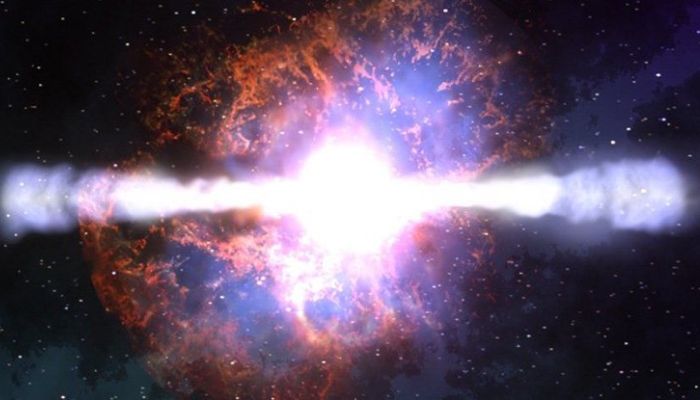
A new breakthrough has come to the fore regarding the search for extraterrestrial life in space. A recent research study has suggested the potential role of cosmic rays in kick-starting alien life deep beneath the surface of icy worlds like Europa, Enceladus, and Mars.
For years, the scientists have also aimed for the “Goldilocks zone” also called a habitable zone, an area around a star where the planet's surface temperature allows the liquid water to exist, to look for the signs of life beyond Earth.
In this study, a team of researchers has put forward another hypothetical region “radiolytic habitable zone”, to find out the existence of living things.
In the region, cosmic radiation has the potential to support life deep underwater or in ice by generating enough energy.
Finding the traces of life in dark cold places
Dimitra Atri, an astrophysicist and co-author of research study issued a statement: “Instead of looking only for warm planets with sunlight, we can now consider places that are cold and dark, as long as they have some water beneath the surface and are exposed to cosmic rays.”
The study published in the International Journal of Astrobiology, was based on investigating the traces of life on Mars, Jupiter’s moon Europa and Saturn’s moon Enceladus.
The purpose of research to find out whether cosmic radiation may be able to kick-start the chemical reactions in water to support biological activities in these icy places
The team used simulations of radiolysis in key locations in the Solar System to figure out the amount of energy released by cosmic radiation.
According to their calculations, some rays would be able to reach below the surface and would perform the photolysis of water molecules, releasing the electrons in the process of electrolysis. Resultantly, Enceladus is the most suitable habitable place for aliens followed by Mars and Europa.


-
 Luke Combs knew his 2016 song would make him superstar
 -
 Adele to perform on major celebrity's milestone birthday in November
 -
 'Harry Potter' star John Lithgow shares his two cents on J.K. Rowling's controversy
 -
 Britney Spears 'swears to clear the slate' as fears grow after DUI arrest
 -
 Ozzy Osbourne's daughter Kelly drops ice-cold message for ex-fiancé Slipknot DJ Sid Wilson
 -
 Netflix surprises Gordon Ramsay with special gift for his 60th birthday: 'It's absolutely huge'
 -
 Alison Hammond gushes over younger boyfriend in candid confession
 -
 'The Young and the Restless' star Dee Freeman passes away at 66