NASA Mars rover 'Curiosity' learn new tricks
NASA Mars rover Curiosity learns new tricks with latest updates

NASA’s Mars rover Curiosity, after 13 years on Mars, received new updates. The six-wheeled robot can now multitask and perform with more autonomy.
The purpose of the latest updates is to maximise the energy source of the Curiosity, which is a multi-mission radioisotope thermoelectric generator (MMRTG). This nuclear power source uses decaying plutonium pellets.
Due to this decay, it takes more time for Curiosity to recharge its batteries, leaving less energy for the next day. Besides the detective work, the rover has robotic arms, a radio, cameras, and other science instruments that all need power.
In 2021, a study began to combine the tasks of the rover to reduce the energy consumption. This means that Curiosity can now perform multiple tasks. It can walk, talk to the orbiter, snap images, and move its arms at once.
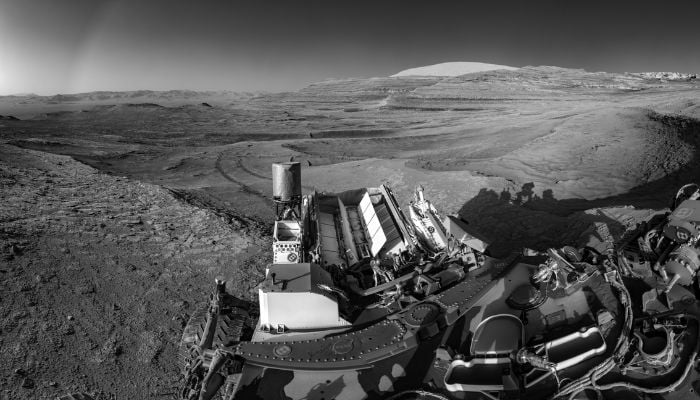
If the given tasks are completed before time, then the rover has the autonomy to go to sleep early, ensuring less recharging is needed for the next day.
Reidar Larsen, the leader of the group of engineers who built new capabilities, said, “We were more like cautious parents earlier in the mission.”
“It’s as if our teenage rover is maturing, and we’re trusting it to take on more responsibility. As a kid, you might do one thing at a time, but as you become an adult, you learn to multitask,” Larsen added.
Curiosity is exploring a region called Mount Sharp that is filled with boxwork formations. These hardened ridges are expected to have been created by underground water in ancient times.
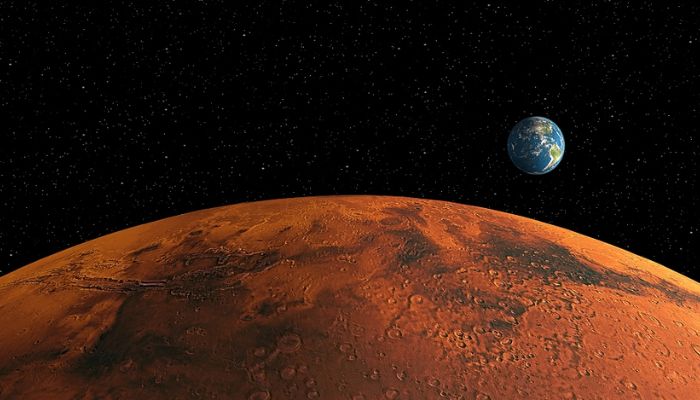
Scientists are trying to find out whether microbial life existed in the Martian subsurface and how climate change transformed a region of rivers and lakes into a desert.
Ashwin Vasavada, Curiosity project scientist, said earlier this year, “As we drive on, we’ll be studying the ridges and mineral cements to make sure our idea of how they formed is on target.
What is the Curiosity rover?
The Curiosity rover is a six-wheeled robotic vehicle currently exploring Mars. It was launched by NASA and landed on Mars in August 2012.


-
 Zuckerberg breaks 3-year silence on 'X' with surprise return
 -
 Epstein lawyer’s first death anniversary approaches months after DOJ files rocked the world
 -
 Assassin's Creed Black Flag Resynced: Full mission list
 -
 Why is Islamic Republic of Japan trending on social media?
 -
 Mario Kart Tour shuts down for good on September 30
 -
 Nearly 900 snakes escape flooded China breeding farm
 -
 Robbyant unveils LingBot-VLA 2.0: A next-generation open-source embodied AI brain
 -
 Costco faces class action over alleged heavy metals in Orgain protein supplements