
Plastics crises report drops $1.5tn climate bombshell
World is under environmental health crises as plastic production looks unstoppable
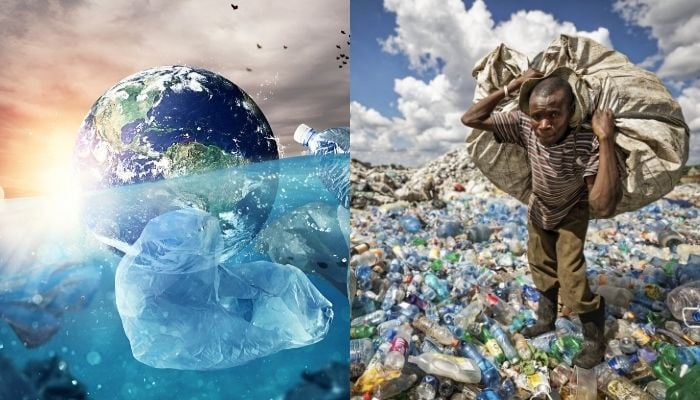
Plastic manufacturing has increased by two hundred times since 1950 and caused $1.5 trillion healthcare burdens each year.
A medical peer reviewed journal, The Lancet, published on August 03, 2025, cites: “Plastics cause disease and death to each era of life from infancy to old age. These impacts fall disproportionately upon low income and at risk populations.”
Boston College professor and lead review writer penned: “Plastics are an under recognised danger to planetary health and humans. From 2 megatonnes in 1950 to 475 megatones in 2022 that is projected to be 1200 megatones by 2060.”
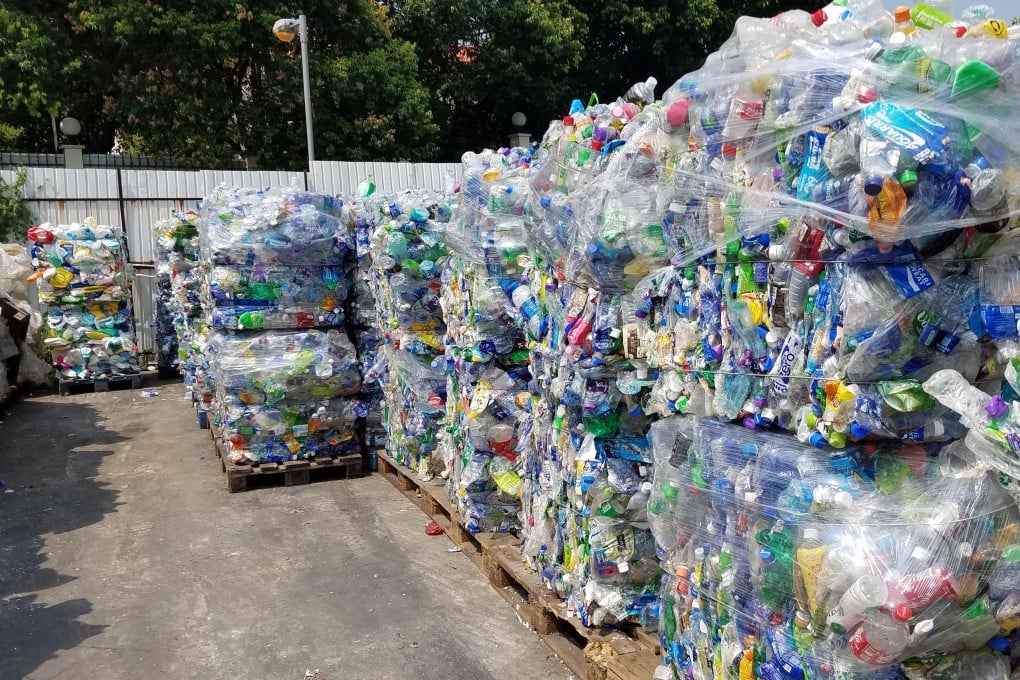
Polymer production is a major contributor in scaling the pollution level and use of 16000 chemicals for this use case is affecting global health.
Scientists reveal three main chemicals from 38 countries with higher waste rates include DEHP, BPA and PBDE.
The Global Plastics Treaty was founded by the United Nations Environment Assembly (UNEA) in March 2022, to raise awareness and address the emerging issue of plastic pollution on the planet.
Plastic pollution has gone beyond limits and 8000 megatones of plastic debris now pollutes the earth and the recycling efforts are very less as only 10% trash is being recycled.






-
 Hailey Bieber's subtle gesture for Eric Dane’s family revealed
 -
 Paul Mescal and Gracie Abrams stun fans, making their romance public at 2026 BAFTA
 -
 BAFTA Film Awards Winners: Complete List of Winners
 -
 Ryan Coogler makes rare statements about his impact on 'Black cinema'
 -
 Timothee Chalamet admits to being inspired by Matthew McConaughey's performance in 'Interstellar'
 -
 Michael B. Jordan gives credit to 'All My Children' for shaping his career: 'That was my education'
 -
 Milo Ventimiglia calls fatherhood 'pretty wild experience' as he expects second baby with wife Jarah Mariano
 -
 Charli XCX applauds Dave Grohl’s 'abstract' spin on viral ‘Apple’ dance