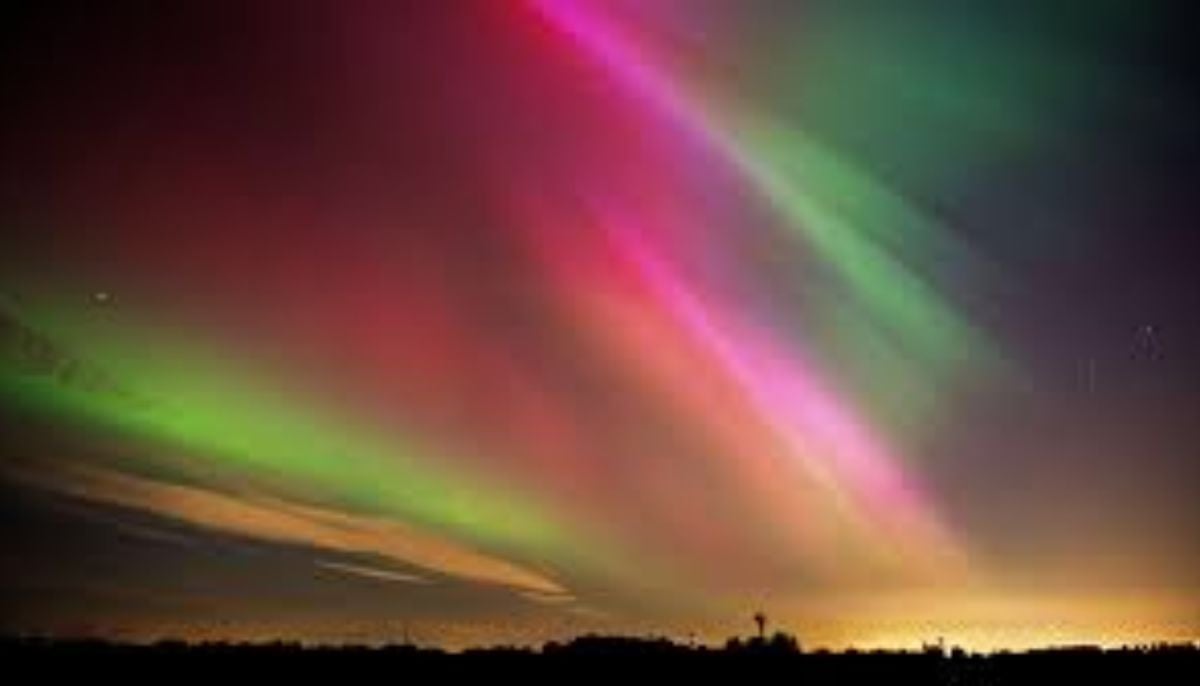
Fire clouds loom over Grand Canyon triggering extreme weather
Strong winds and scorching dry temperatures are further fuelling wildfires in Utah, Arizona
The wildfires raging in the western United States including a megafire on the North Rim of the Grand Canyon have spurred the formation of “fire clouds” that can trigger their own extreme weather systems.
The Dragon Bravo fire near the Grand Canyon, Arizona has morphed into the largest wildfire in the continental US. The destructive fire has engulfed 111,000 acres of land and devoured the historic lodge at Grand Canyon National Park.
The fire is only 9 percent contained as extreme blistering heat and strong currents of winds continued to fuel the fire, becoming one of the top 10 largest wildfires in the recorded history of Arizona.
Another large fire in Monroe, Utah has charred 75 square miles since July 13 with the containment rate of 11 percent.
Concurrently, these wildfires are responsible for generating pyrocumulus clouds, often referred to as fire clouds. These clouds often develop when air over a fire becomes superheated and rises in large smoky columns.
These uprising massive clouds that shrouded the Grand Canyon can be seen from hundreds of miles and resemble the shape of an anvil.
Triggering extreme weather system
According to the climatologist, these anvil-shaped fire clouds can create destructive downdrafts, trigger thunderstorms and further spread the fires, leading to the increasing frequency and intensity of extreme weather events.
Lisa Jeninings, a spokesperson for the Southwest Area Incident Management Team, issued a statement, “If they get high enough, they can also create downdrafts and that’s something we really watch out for because that can quickly spread the fire and can be dangerous for firefighters who are doing their work on the ground.”
Derek Mallia, an atmospheric scientist at the University of Utah said, “Think of the fire as kind of like a hot-air balloon, so it adds buoyancy and things rise as a result.”
“You get this towering thunderstorm over the fire, and just like any other thunderstorm it gets windy underneath. Because it's in the West, these thunderstorms tend to be very dry,” she continued.
These fire clouds are the result of climate change driven by the burning of fossil fuels and anthropogenic activities.


-
 How did Brandon Clarke die?
 -
 Taylor Swift wins BMI Songwriter crown for third year in a row
 -
 Katseye announces world tour, sending internet into meltdown
 -
 Pete Davidson urged not to target Charlie Kirk in comedy set: Insider
 -
 Chyler Leigh, Nathan West call it quits after 24 years of marriage
 -
 Watch Kanye West's reaction to Pete Davidson's savage roast jab
 -
 Eileen Wang: Who is Democratic Party's mayor of Arcadia ?
 -
 Savannah Guthrie finally shares 'something joyful'