Moon stellar showdown with supergiant star Antares
The moon and Antares will light up the sky in a stellar showdown
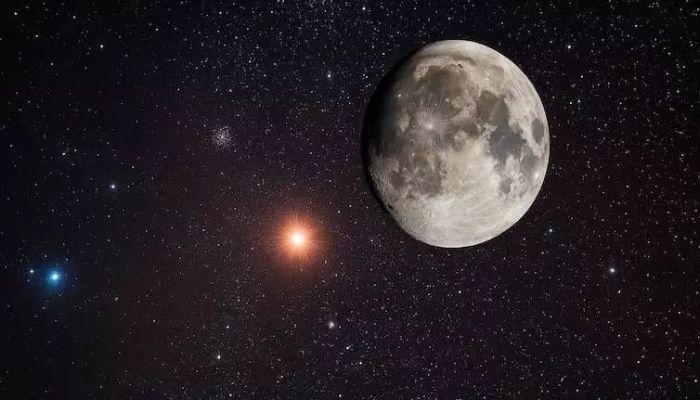
The moon and the red supergiant star Antares will form a celestial pairing on August 4, visible in the night sky. This is a great opportunity for the stargazers to watch the stellar showdown.
The waxing gibbous moon and the “heart of the Scorpion” will find a pairing after sunset.
To see this phenomenal view, look above the southern horizon with two stretched-out hands. You will find a 69%-lit moon, which will be a little more than half full.
On the upper left of the moon, you will see a bright reddish star, Antares, glowing up among the constellation Scorpius. The name Antares means “rival to Mars” due to its red-orange tint.
If you hold your arm out for a while and stick up one finger, the distance between the star and the moon will be about the width of a fingertip. Remember that your fingertip accounts for 1 degree of the night sky.
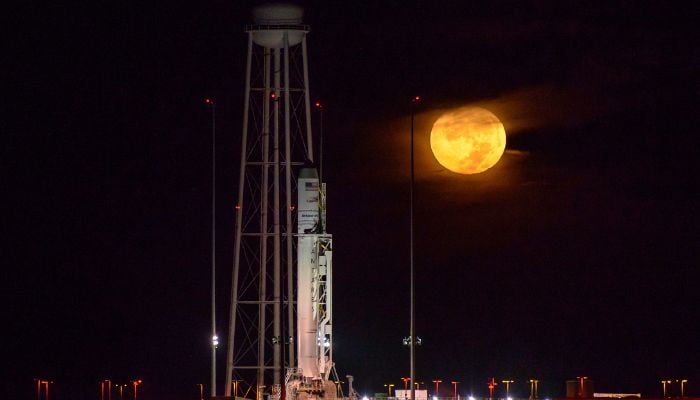
The pairing with a red supergiant star might make the moon appear a little bit red, especially when it’s low in the sky.
A lunar occultation may also occur in some parts of the world, particularly in the Southern Hemisphere, including parts of the Falkland Islands, Argentina, and Chile.
The moon will pass directly in front of Antares. It means that the star will hide behind the moon for a moment. This event is called a lunar occultation.
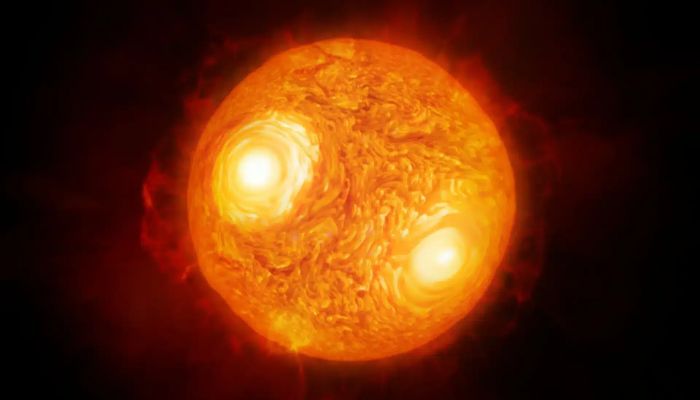
Antares is the brightest star in the Scorpius constellation. It looks quite similar to Mars due to its distinct reddish-orange hue. It is 700 times bigger than the size of the sun and 600 light-years from Earth within the Milky Way.
However, Antares is near to end of its life. The star has almost burned the hydrogen fuel and is now fusing heavier elements, which is not sustainable in the long term. This will lead to a supernova explosion.
What is special about Antares?
Antares is one of the largest known stars.


-
 Are we closer to a real-life ‘genie’ that grants any wish: Here's what Sam Altman thinks
 -
 Elon Musk’s recent claim about Bill Gates sparks fresh online controversy
 -
 Watch: Kaitlan Collins’ reaction to Trump’s remarks
 -
 Max Verstappen slams ‘broken’ Red Bull after Hungary shocking qualifying disaster
 -
 Trump reacts to Ferran Torres' viral 'Make Spain Great Again' hat
 -
 Ferran Torres, Marcos Llorente become target of false claims after Ibiza photos go viral
 -
 Typhoon Noul nears Southern China, prompting high alerts and public transport suspensions
 -
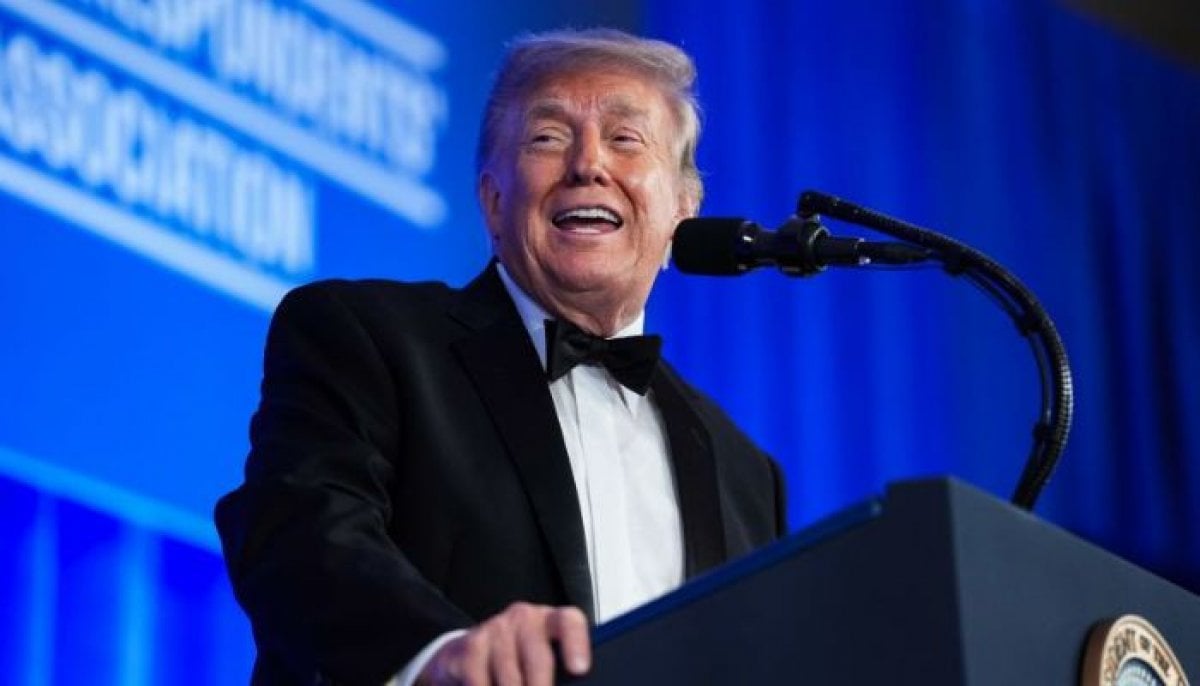 Is Trump running for next term as US president? Fact-checking viral claim
-
 Why Trump’s gala address made headlines: Insults, potshots and more
 -
Ford warns of engine fire risk in more than half a million Bronco vehicles
-
LeBron James called Cristiano Ronaldo of basketball after his ‘last decision’
-
Nvidia CEO Jensen Huang makes X debut, signs letter to Congress on open AI models