
China summons Nvidia for AI chip security concerns
China summoned Nvidia over security concerns with H20 AI chips’
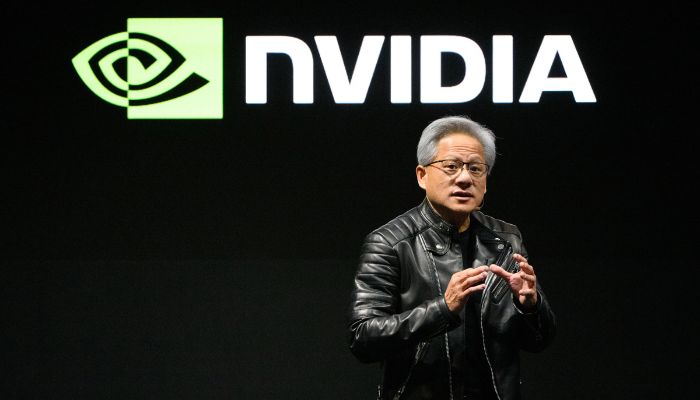
China’s cyber regulator called upon Nvidia over tracking and serious security concerns with H20 graphic processing units. The move came after Washington lifted the ban on the AI chip company to resume sales in China.
China’s Cyberspace Administration (CAC) asked Nvidia to explain the security risks and requested “to clarify and submit relevant supporting documentation regarding security risks, including potential vulnerabilities and backdoors, associated with its H20 computing chips sold to China.”
CAC claimed that US AI experts already revealed that computing chips “have location tracking and can remotely shut down the technology.”
In May, a group of eight Representatives and a U.S. Republican Senator introduced the U.S. Chip Security Act, which requires chip companies to install a security mechanism in advanced artificial intelligence chips.
Many American lawmakers also opposed the ban lift on Nvidia’s H20 chips. They warned about China’s advancement in AI capability.
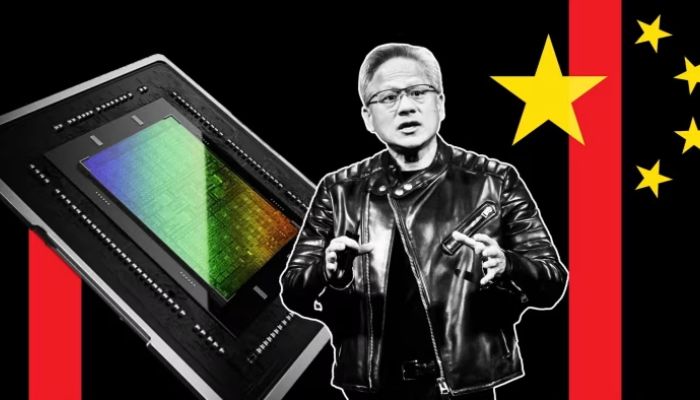
Nvidia is expanding its business in China after the administration in Washington took a U-turn and lifted the ban imposed in April. Jensen Huang met officials in Beijing and ensured his commitments to the Chinese market.
The security concern call from China’s authorities would escalate complications for Nvidia amid the technology and trade war between the world’s two most powerful countries.
China has been pushing major tech companies to purchase domestic AI chips to reduce dependence on NVIDIA. Tech giants like Huawei will benefit from this by localising the supply chain.
The new graphics processing unit to be sold to China is based on the latest Blackwell architecture that is aligned with export restrictions. It is less powerful than Nvidia’s original H100 AI processing units.
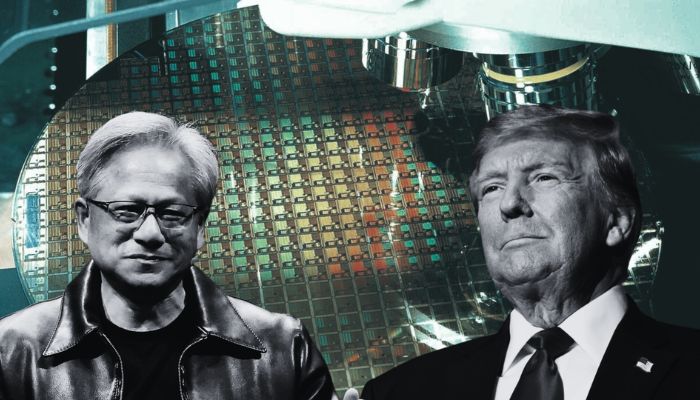
NVIDIA’s chief executive announced the export of H20 chip during his latest visit to Beijing, which came after he met U.S. President Donald Trump.
According to reports, NVIDIA ordered 300,000 chipsets from TSMC (Taiwan Semiconductor Manufacturing Company) to meet the demand in China.
What does NVIDIA do exactly?
Nvidia manufactures advanced chips, software, and systems for companies to build their own AI factories.






-
 Major Hollywood stars descend on 2026 Super Bowl's exclusive party
 -
 Travis Kelce's true feelings about Taylor Swift's pal Ryan Reynolds revealed
 -
 David Beckham pays tribute to estranged son Brooklyn amid ongoing family rift
 -
 Brooklyn Beckham covers up more tattoos linked to his family amid rift
 -
 Jennifer Hudson gets candid about Kelly Clarkson calling it day from her show
 -
 Bad Bunny faces major rumour about personal life ahead of Super Bowl performance
 -
 Will Smith couldn't make this dog part of his family: Here's why
 -
 Kylie Jenner in full nesting mode with Timothee Chalamet: ‘Pregnancy no surprise now’