Peak meteor action: Two meteor showers visible in late July
Alpha Capricornid meteor shower lasts through August 15
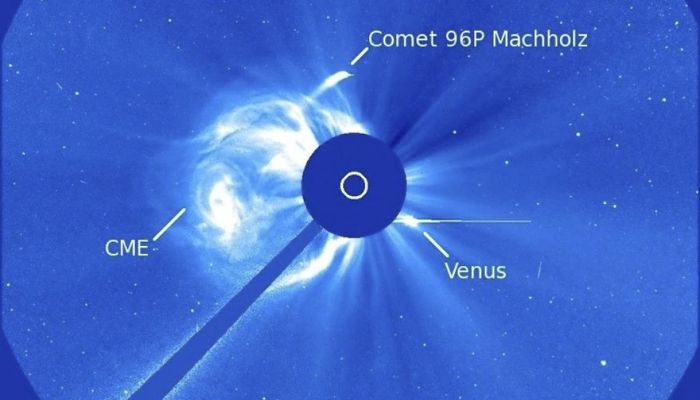
Buckle up for a stellar show! The Southern Delta Aquariid meteor shower peaks in late July, and it’s extra special-it’s teaming up with the Alpha Capricornids!
Catch the peak action early Tuesday morning, with up to 20 fireballs per hour visible under dark skies in the Northern Hemisphere and some parts of the Southern Hemisphere. The show runs until August 21, so mark your calendars!
Around the same time, the Alpha Capricornid meteor shower should produce around five meteors per hour and lasts through August 15.
Here’s everything you need to know about the Aquariids and other meteor showers:
What's meteor showers?
A meteor shower is a spectacular celestial display where multiple meteors (falling stars) streak across the sky.
These events occur annually, and you can witness them without special equipment.
How to view a meteor shower?
Meteor showers are usually the most visible between midnight and predawn hours.
It's easier to see the falling stars under dark skies, away from city lights. Meteor
showers also appear brightest on cloudless nights when the Moon wanes smallest.
The Southern Hemisphere will have the best view of Delta Aquariids, teaming up with a waning moon around 30% full means the clearest view can be seen after midnight.
When is the next meteor shower?
The meteor society keeps an updated list of upcoming meteor showers, including the peak activity days and moonlight conditions. The next major meteor shower will be the Perseids, peaking in mid-August.
Related: Perseid meteor shower 2025 brings magic to summer nights


-
 Dianna Russini returns 'without addressing the elephant in the room'
 -
 Kelsea Ballerini still have feelings for Chase Stokes after breakup?
 -
 Why Zendaya avoided Sydney Sweeney at 'Euphoria' S3 premiere
 -
 Homelander faces death? 'The Boys' risky bet in season 5 grabs attention
 -
 'Euphoria' returns as critics reveal if Season 3 is worth the wait
 -
 Michael J. Fox's health scare rumours turn focus to his surprising net worth
 -
 Jennie Garth reflects on dark side of finding fame at young age
 -
 Dianna Russini caught off guard on Instagram after cheating scandal with Mike Vrabel