
COVID-19 accelerated brain ageing even in uninfected people, study finds
COVID-19 has left longer-lasting impact than ever imagined
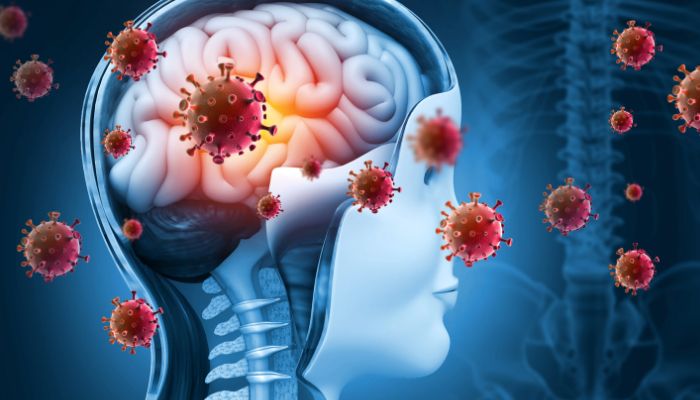
The COVID-19 pandemic didn’t just take a toll on physical health but rather left significant marks people's brains that may change their lives forever.
As per the new study published in Nature Communications, researchers investigated brain scans from 1000 people pre-pandemic and peri-pandemic found that brains aged approximately 5.5 months faster than expected, irrespective of whether individuals were infected with virus or not.
Ali-Reza Mohammadi-Nejad at the University of Nottingham School of Medicine led this study. He conducted a comparison of brain structure and function considering the factors gray and white matter volume, cognitive skills, and chronological age.
The study found that gray matter that regulates memory and emotions, and white matters that is crucial for nerve signaling, both showed accelerated decline.
The most prominent finding of the study is that the changes were similar in people who had COVID-19 and those who didn’t. It shows that stress and mental health problems relate to pandemic, isolation and lifestyle disruptions due to quarantine, played a significant role.
Who was most affected?
The impact was more pronounced in older adults, men, and those who survived the pandemic with lower income, education, or unstable housing.
An additional 4-5 months of brain aging was seen in people with poorer health or job insecurity as compared to those who stayed healthy and had financial stability.
Why does it matter?
The findings of the study assured that public health crises not only harm physical health but also accelerate brain aging even in those individuals who didn’t catch covid-19.
The study implies that mental and social well-being must be prioritised in future crisis planning.
Limitations of the study include unexplored factors like reversibility due to maintaining healthy habits such as exercise, sleep, social interaction, and cognitive engagement that can help mitigate damage.
The research underscores a sobering reality, the pandemic’s hidden scars may linger in human brains long after the virus fades.





-
 James Van Der Beek, 'Dawson's Creek' star, dies at 48
 -
 Cruz Beckham hints at reunion with estranged brother Brooklyn amid rift?
 -
 Internet reacts to 10-day flight ban in El Paso
 -
 Police detained 'innocent' man in Nancy Guthrie's kidnapping
 -
 Co-founders of Elon Musk's xAI resigned: Here's Why
 -
 Why Angelina Jolie loves her 'scars' following double mastectomy
 -
 ‘World is in peril’: Anthropic AI safety researcher resigns, warns of global risks
 -
 Nancy Guthrie: Is she alive? Former FBI director shares possibilities on 10th day of kidnapping