
ICJ clears path for nations to sue over climate change
Historic UN court opinion opens door to climate change lawsuits

In the historic decision of the International Court of Justice (ICJ) has ruled that countries can sue one another over climate change impacts.
It also includes historic greenhouse gas emissions. This influential opinion will reshape global climate litigation, giving a legitimate pathway for nations that have been affected by climate change despite having low carbon footprint to seek accountability.
Findings of Court
Following are the court's findings:
- Developing nations have the right to compensation to claim changes for climate-related destruction i.e., infrastructure loss, extreme weather damages etc.
- While causation is complicated, the ICJ confirmed that high-emitting nations could face liability.
- Subsidizing or acceptance of new oil/gas projects may breach international law.
- Even non-signatory states (such as the U.S.) must protect the climate under broader environmental laws.
A victory for vulnerable nations
The ICJ’s advisory opinion follows testimony from Pacific Islanders displaced by climate disasters involving Vanuatu's 2015 cyclone which wiped out 66% of its GDP.
In 2022, Vanuatu along with other vulnerable Pacific Island nations started a campaign to seek an advisory opinion from the ICJ on the legal campaign of states concerning climate change and human rights.
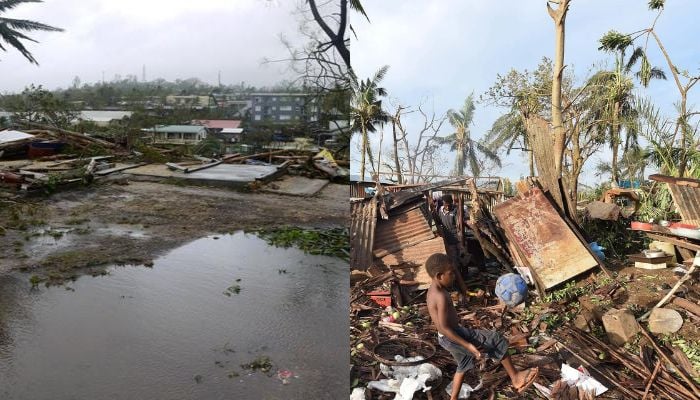
The core question before the ICJ was whether states have any responsibility under the international law to preserve the climate system from anthropogenic greenhouse gas emissions and what legal outcomes arise from failure to do so, notably related to harm caused to other states.
The ICJ’s ruling, while not legally binding, states that countries have a legal duty to preserve the climate from greenhouse gas emissions and in case of being unsuccessful can be considered a wrongful act under international law.
Global implications
The global implications of this can be serious. For instance, the opinion can fuel lawsuits in national courts or the ICJ against top emitters’ countries like the UK, EU states etc.
In addition, there can be huge compensation claims as analysis suggests $2.8 trillion in climate losses occurred from 2000-2019 ($16M/hour).
In addition, there can be more corporate accountability. Governments may be liable for emissions from companies within their borders.
Pushback from developed nations
The developing nations such as the UK asserted existing climate pacts (e.g., 2015 Paris Agreement) were sufficient.
The ICJ denied this notion and emphasized the need for “most ambitious possible” climate plans.
Considering this decision, the UK foreign office spokesperson stated that they were reviewing the opinion but accentuated commitments to UN climate mechanisms.
However, the U.S., under President Trump reiterated its “America First” stance.






-
 Elon Musk unveils SpaceX’s Moon-first strategy with ‘self growing lunar city’
 -
 Donald Trump slams Bad Bunny's Super Bowl performance: 'Absolutely terrible'
 -
 Drake 'turns down' chance to hit back at Kendrick Lamar at Super Bowl
 -
 Super Bowl weekend deals blow to 'Melania' documentary's box office
 -
 Adrien Brody opens up about his football fandom amid '2026 Super Bowl'
 -
 What did Olivia Colman tell her husband about her gender?
 -
 Major Hollywood stars descend on 2026 Super Bowl's exclusive party
 -
 Travis Kelce's true feelings about Taylor Swift's pal Ryan Reynolds revealed