Astronomers discover galaxy that has stayed unchanged for billions of years
Galaxy helps us understand how universe has evolved to this day, says researcher
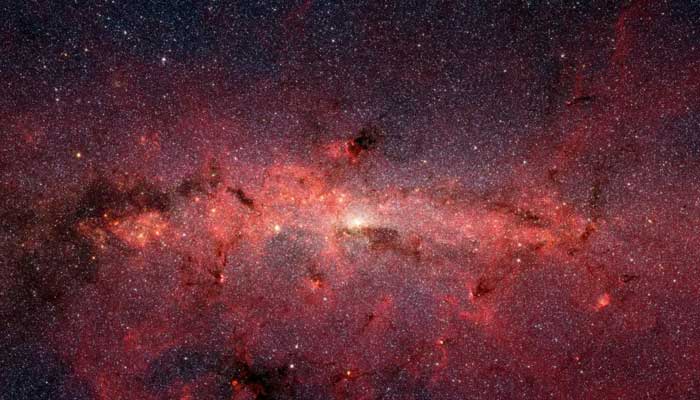
Astronomers have found a distant galaxy referred to as a "cosmic fossil" that has stayed virtually unchanged, or "frozen in time," for billions of years.
Just as dinosaur fossils on Earth help us understand the history of life, this cosmic fossil, called KiDS J0842+0059, provides important insights into the universe's evolution, reported Space.com.
A cosmic fossil is a galaxy that has avoided significant collisions or interactions with other galaxies, allowing it to serve as a pristine time capsule for studying the characteristics of early galaxies.
Recent studies using data from the Large Binocular Telescope (LBT) have shown that this galaxy has remained largely unaltered for approximately 7 billion years.
"We have discovered a galaxy that has been 'perfectly preserved' for billions of years, a true archaeological find that tells us how the first galaxies were born and helps us understand how the universe has evolved to this day," team co-leader and National Institute for Astrophysics (INAF) researcher Crescenzo Dove said in a statement.
"Fossil galaxies are like the dinosaurs of the universe: studying them allows us to understand in which environmental conditions they formed and how the most massive galaxies we see today evolved."
KiDS J0842+0059, situated about 3 billion light-years from Earth, was discovered in 2018 through the Kilo Degree Survey (KiDS).
Astronomers used images from the Very Large Telescope Survey Telescope (VST) to determine the galaxy’s size and mass, with these measurements further refined using the Very Large Telescope (VLT) and its X-Shooter instrument.


-
 From Apollo to Artemis: How astronauts honor loved ones with lunar names
 -
 Emperor penguins on verge of extinction: ‘A grim story shaped by climate change’
 -
 NASA Artemis II crew prepares Earth return after historic Moon mission
 -
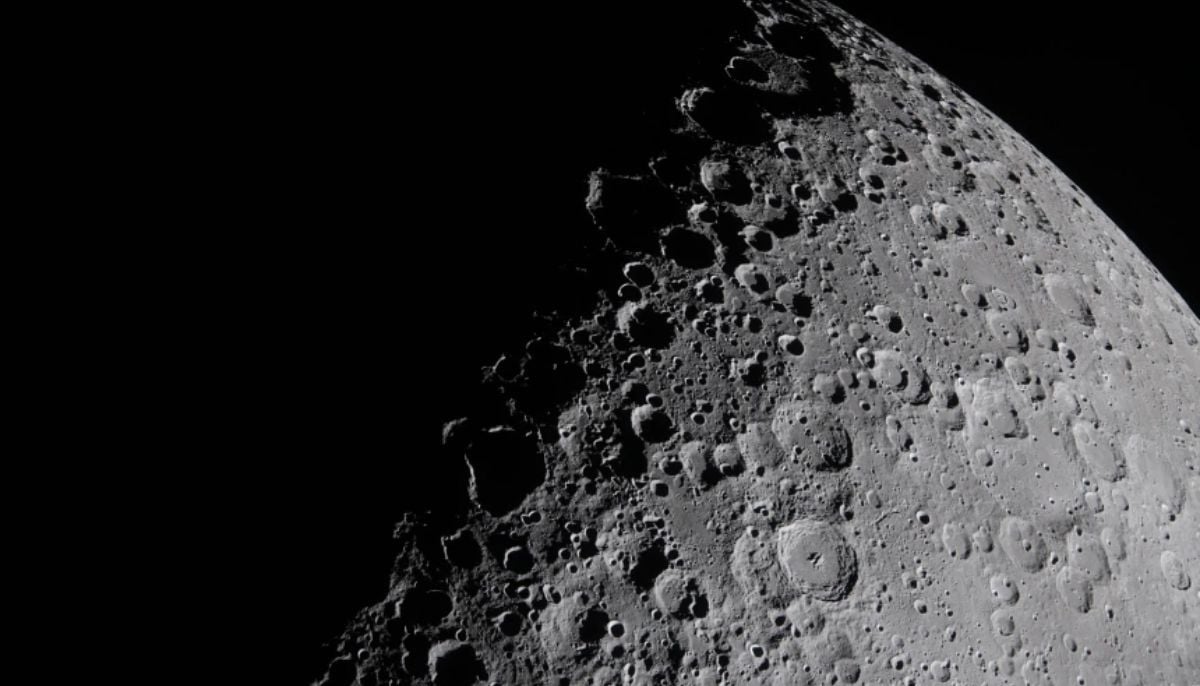 NASA Artemis II astronauts spot meteorite strikes on Moon during flyby
 -
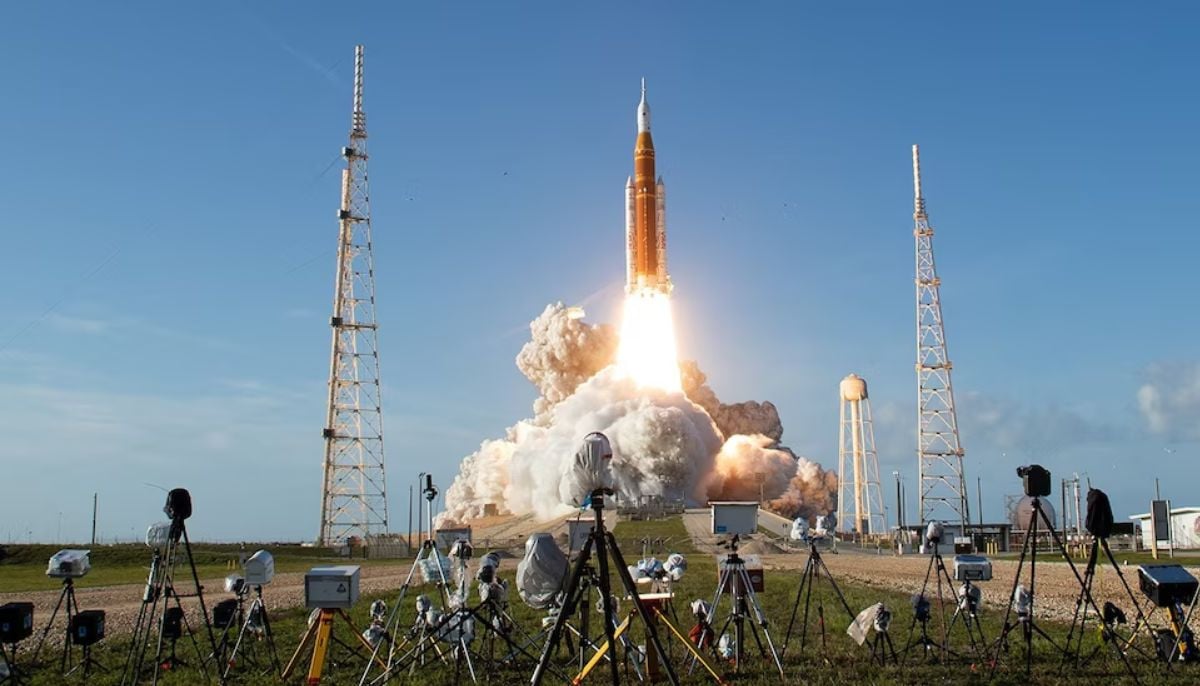 China vs US: Artemis II mission drives new Moon race momentum
 -
 ‘Sonic boom’ rocks New Jersey after rare daytime meteor sighting: NASA confirms
 -
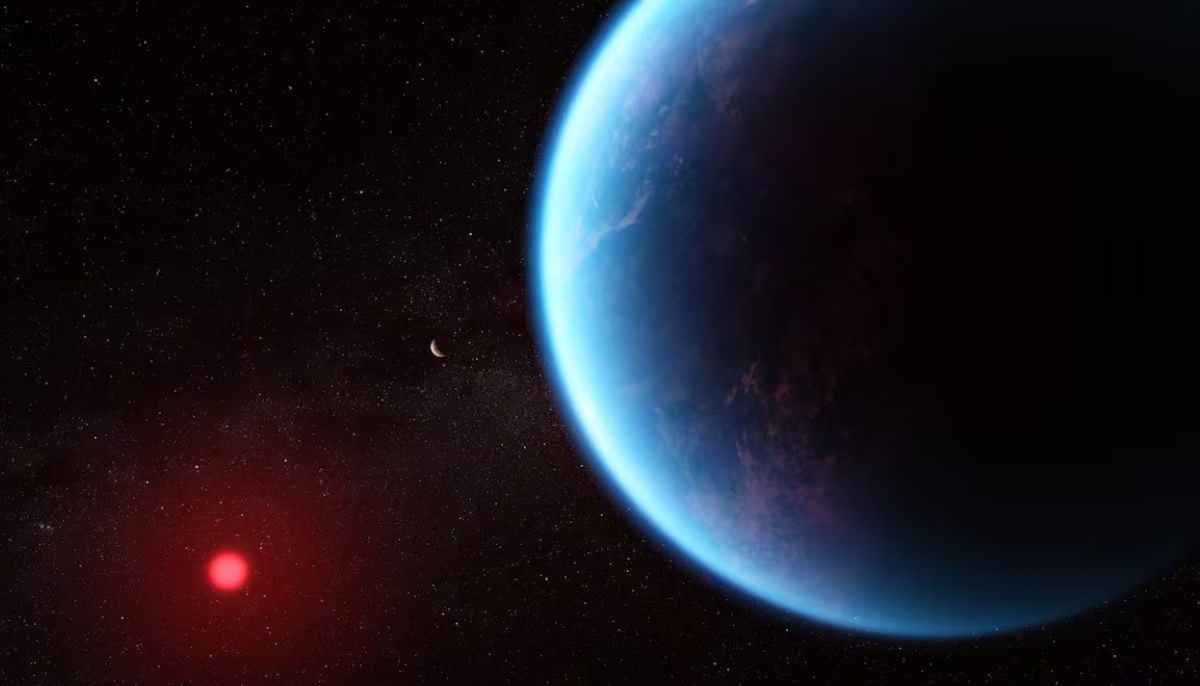 Forbidden exoplanet TOI-5205 b shocks scientists with ‘unexpected atmosphere’
 -
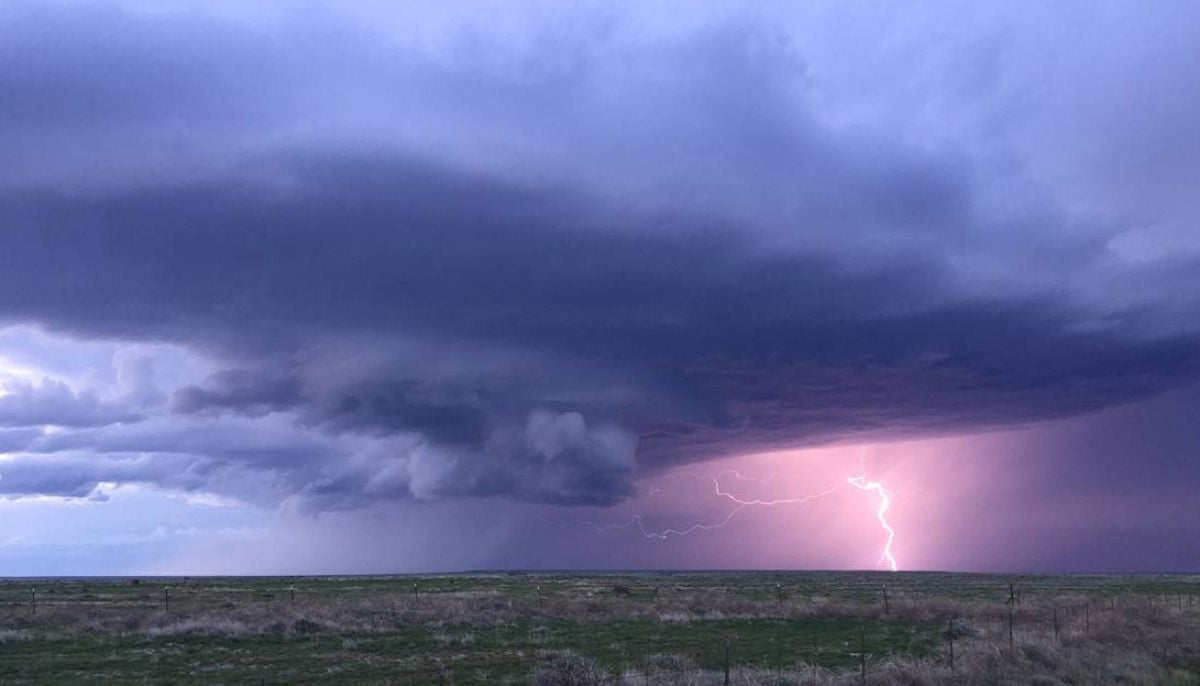 Super El Nino threat grows ahead of summer: What it means for US states