
Pezeshkian says Iran open to fair dialogue with US
Iran says it is ready to engage in dialogue, but refuses to hold direct talks under threats and pressure

Iranian President Masoud Pezeshkian has said that Tehran is open to discussions with the United States on an equal footing, although he did not specify whether the country would engage in direct negotiations.
It came after US President Donald Trump, who has called on Tehran to hold direct negotiations on its nuclear programme, threatened to bomb Iran if diplomacy fails.
Iran says it is ready to engage in dialogue, but refuses to hold direct talks under threats and pressure.
"The Islamic Republic of Iran wants dialogue on equal footing," Pezeshkian said during a meeting, according to the presidency's website.
On Thursday, Trump said he would prefer to hold "direct talks" with Iran.
"I think it goes faster and you understand the other side a lot better than if you go through intermediaries," the US president argued.
But on Saturday, Pezeshkian asked: "If you want negotiations, then what is the point of threatening?"
"Today, America is not only humiliating Iran, but also the world," Pezeshkian added, in an apparent reference to recent policies adopted by Trump, including imposing tariffs on imports.
Western countries, led by the United States, have for decades accused Tehran of seeking to acquire nuclear weapons.
Iran rejects the allegation and maintains that its nuclear activities exist solely for civilian purposes.
On Saturday Hossein Salami, head of Islamic Revolutionary Guard Corps, the ideological arm of Iran's military, said the country was "ready" for war.
"We are not worried about war at all. We will not be the initiators of war, but we are ready for any war," the official IRNA news agency reported him as saying.
In 2015, Iran reached a landmark deal with the permanent members of the UN Security Council, namely the United States, France, China, Russia, and the United Kingdom, as well as Germany, to regulate its nuclear activities.
The agreement provided for sanctions relief in exchange for curbs on Iranian nuclear activities.
In 2018, during Trump's first term in office, the United States withdrew from the agreement and reinstated sanctions.
In response, Iran rolled back on its commitments under the agreement and accelerated its nuclear programme.
On Monday, Ali Larijani, a close adviser to supreme leader Ayatollah Ali Khamenei, warned that while Iran was not seeking nuclear weapons, it would "have no choice but to do so" in the event of an attack against it.



-
 Michelle Yeoh gets honest about 'struggle' of Asian representation in Hollywood
 -
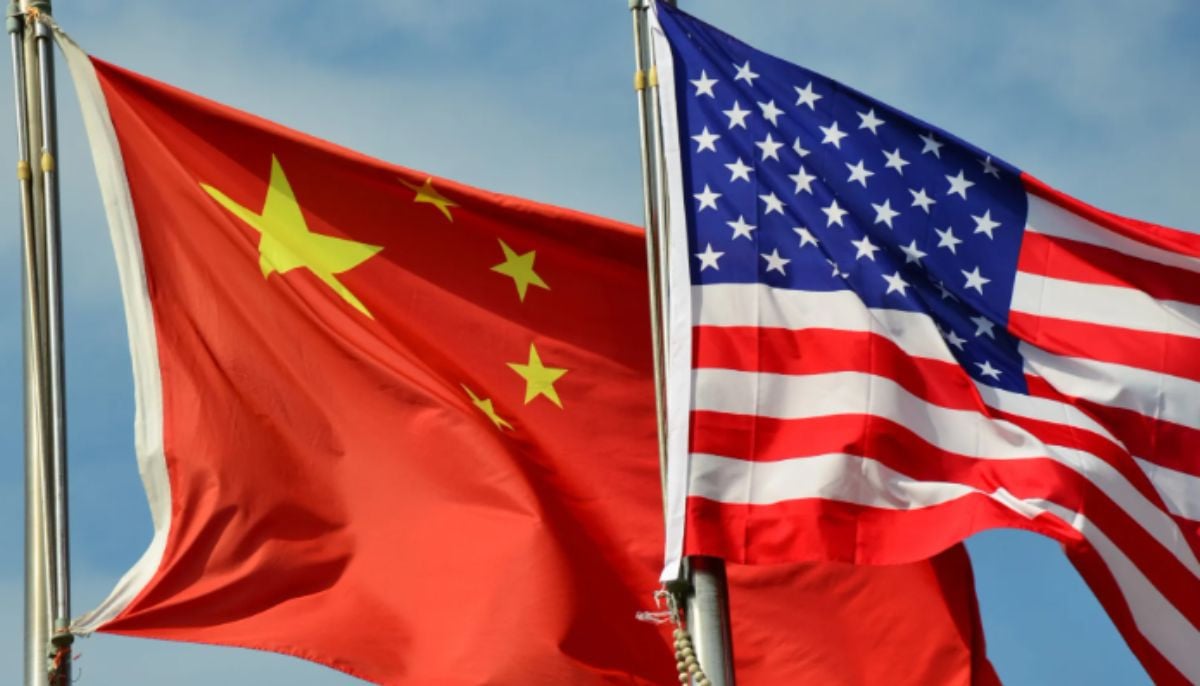 US, China held anti-narcotics, intelligence meeting: State media reports
 -
 Goldman Sachs’ top lawyer resigns over Epstein connections
 -
 Manhunt continues for suspect who killed 2 at South Carolina State University
 -
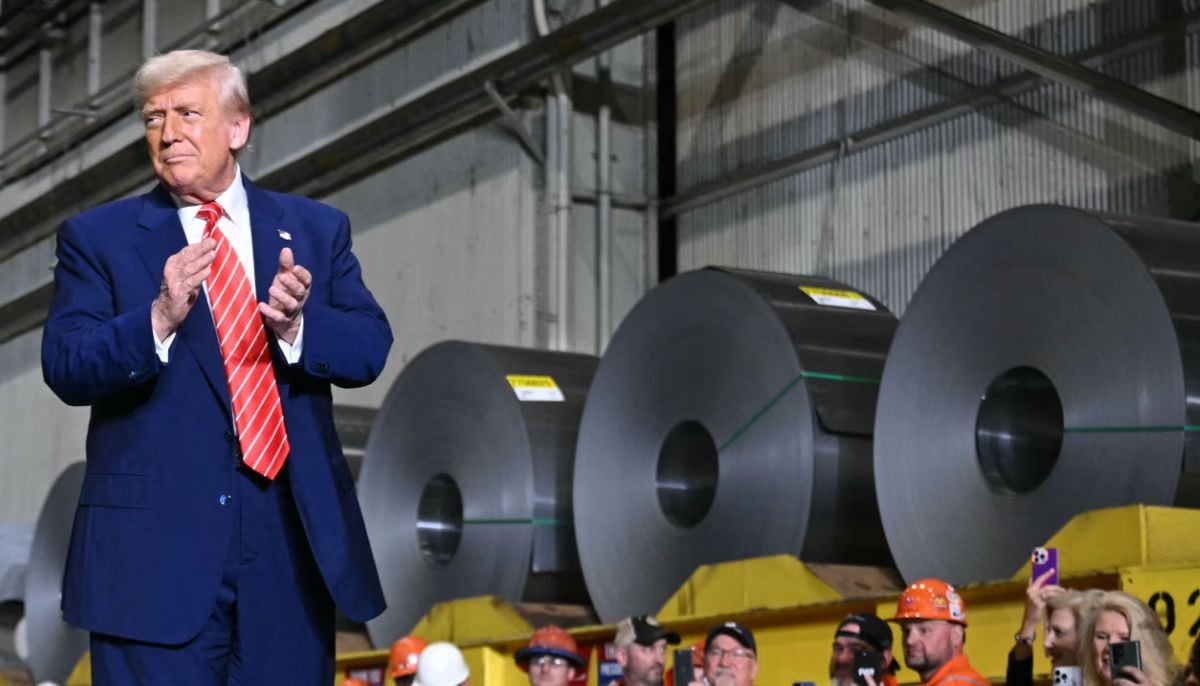 Trump considers scaling back trade levies on steel, aluminium in response to rising costs
 -
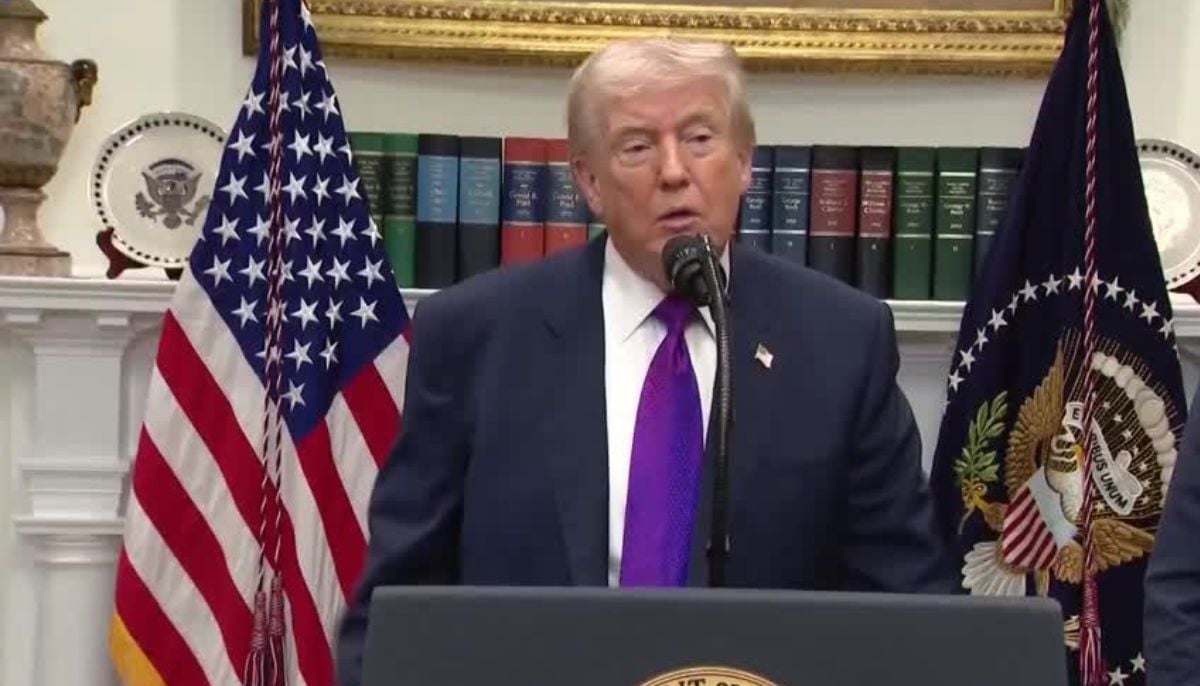 Trump revokes legal basis for US climate regulation, curb vehicle emission standards
 -
 DOJ blocks Trump administration from cutting $600M in public health funds
 -
 Scientists find strange solar system that breaks planet formation rules