Over 800m adults have diabetes globally, with many 'not receiving treatment'
New study suggests global diabetes rate doubled in last 30 years, largely due to rising cases in low-, middle-income countries
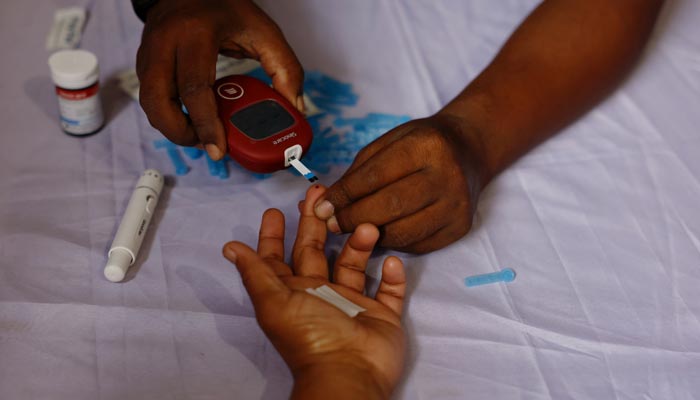
A new study found that over 800 million adults have diabetes worldwide — almost twice as many as previous estimates have suggested — and more than half of those aged over 30 who have the condition are not receiving treatment.
In 2022, there were around 828 million people aged 18 years and older with type 1 and type 2 diabetes worldwide, the study published in The Lancet journal found. Among adults aged 30 years and older, 445 million, or 59% of them, were not receiving treatment, the authors said.
Previously, the World Health Organisation (WHO) has estimated that around 422 million people have diabetes, a chronic metabolic disease involving blood sugar levels, which can damage the heart, blood vessels, nerves and other organs if untreated.
According to the study, the global diabetes rate has doubled since 1990 from around 7% to 14%, driven largely by rising cases in low- and middle-income countries.
Although there are far more cases, treatment rates in those regions have barely increased, the authors said, while things have improved in some higher-income countries leading to a widening treatment gap.
For instance, in parts of sub-Saharan Africa, only 5-10% of those estimated to have diabetes were getting treatment, said Jean Claude Mbanya, professor at the University of Yaounde I in Cameroon. Treating diabetes, either with insulin or drugs, can be expensive.
"A huge number [are] at risk of serious health complications," he said.
The study was done by the NCD Risk Factor Collaboration and the WHO, and is the first global analysis to include rates and treatment estimates for all countries, the authors said.
It is based on over 1,000 studies involving more than 140 million people.
Diabetes was defined as having high fasting plasma glucose levels and high glycated haemoglobin, both common diagnostic criteria for the condition, or taking medication for diabetes.
The authors said both tests were used to avoid underestimating rates in parts of the world, particularly South Asia, where using fasting plasma glucose alone missed cases.
While the study could not separate out type 1 and type 2 cases, previous evidence has suggested that most diabetes in adults is type 2, which is linked to obesity and poor diet, the authors said.


-
 New personalized cancer vaccine cuts Melanoma recurrence risk by 42%, trial shows
 -
 Prime editing rewrites DNA inside human body for the first time
 -
 WHO investigates mystery Ebola case in Nigeria as outbreak spreads beyond DR Congo
 -
 Virginia Sen. Louise Lucas indicted on racketeering and marijuana charges
 -
 France confirms world's first human case of Shamonda virus; patient dies
 -
 OpenAI agents uncover brain disease leads: Here’s how
 -
 AI tool can now predict cancer survival by a single patient selfie: Find out how
 -
 Scientists identify a new type of depression affecting 1 in 4 patients
-
 Everything to know about US FDA’s new guidance on apps used with prescription drugs
 -
‘Immortal’ jellyfish could hold clues to slowing human ageing
-
Ebola crisis worsens in DR Congo as virus reaches eighth province with over 4,500 dead
-
Study finds eating blueberries every day can surprisingly boost your mood