Australia targets social media giants in its crackdown on misinformation
Australia joins worldwide push to rein in borderless tech giants, sparking crticism from free speech advocates

Australia has announced plans to fine internet platforms up to 5% of their global revenue for not preventing the spread of misinformation, in a move aligning with global efforts to regulate tech giants.
However, this move by the country has sparked crticism from free speech advocates, according to Reuters.
The Australian government intends to compel tech platforms to establish codes of conduct to govern the prevention of dangerous falsehoods spread online, subject to a regulator's approval.
In the event of non-compliance, the regulator will set its own standard and impose fines on companies, according to the legislation which is scheduled to be presented in parliament on Thursday.
The legislation aims to address false content impacting election integrity or public health, calls for denouncing a group or injuring a person, or risks disrupting key infrastructure or emergency services.
The bill is part of a wide-ranging regulatory crackdown by Australia, where leaders have complained that foreign-domiciled tech platforms are overriding the country's sovereignty, and comes ahead of a federal election due within a year.
Facebook owner Meta has already said it may block professional news content if it is forced to pay royalties, while X has removed most content moderation since being bought by billionaire Elon Musk in 2022.
"Misinformation and disinformation pose a serious threat to the safety and wellbeing of Australians, as well as to our democracy, society and economy," said Communications Minister Michelle Rowland in a statement.
"Doing nothing and allowing this problem to fester is not an option."
An initial version of the bill was criticised in 2023 for giving the Australian Communications and Media Authority too much power to determine what constituted misinformation and disinformation, the term for intentionally spreading lies.
Rowland said the new bill specified the media regulator would not have power to force the takedown of individual pieces of content or user accounts.
The new version of the bill protected professional news, artistic and religious content, while it did not protect government-authorised content.


-
 NASA Artemis II crew to break Apollo 13 distance record
 -
 New study investigates phenomenon surpassing the speed of light
 -
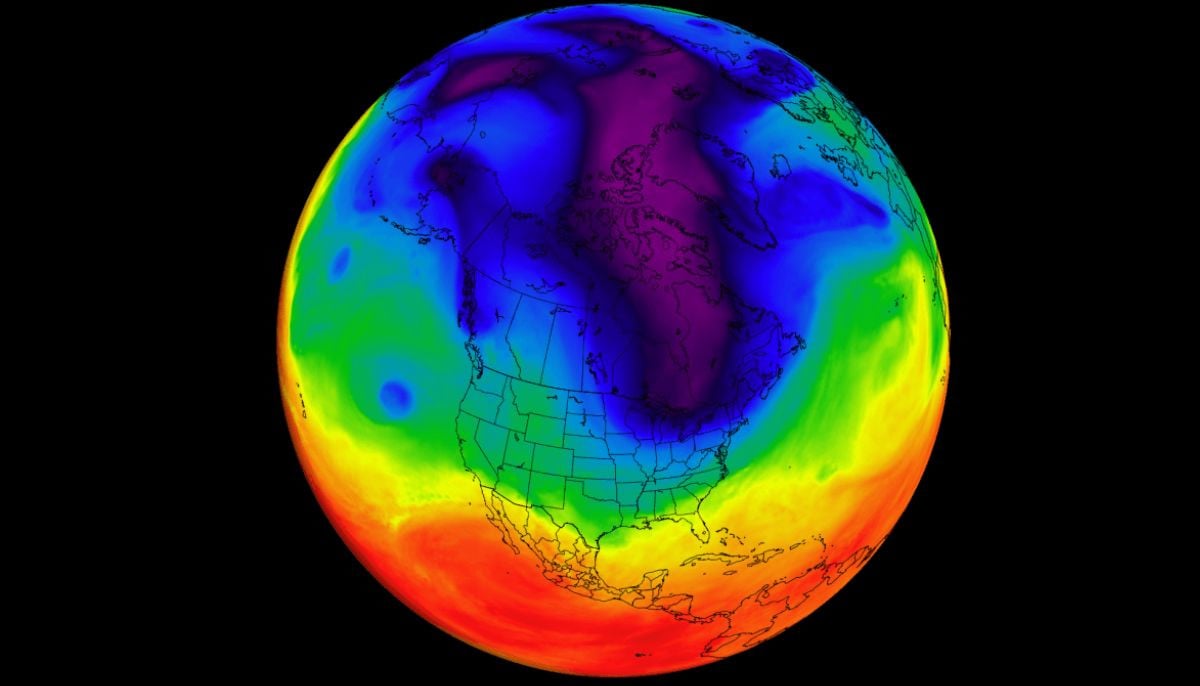 Polar Vortex enters final ‘seasonal’ phase: Rare shift signals winter weather risks into April
 -
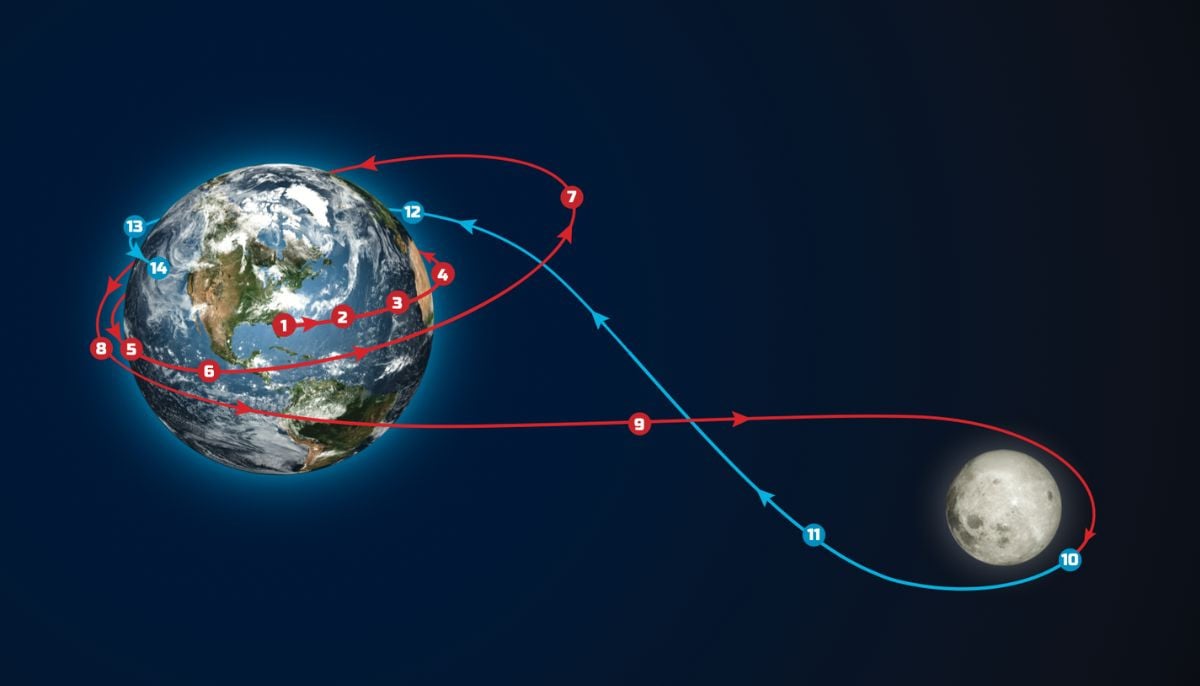 Why NASA Artemis II won’t take straight path to Moon: ‘Figure-8’ route explained
 -
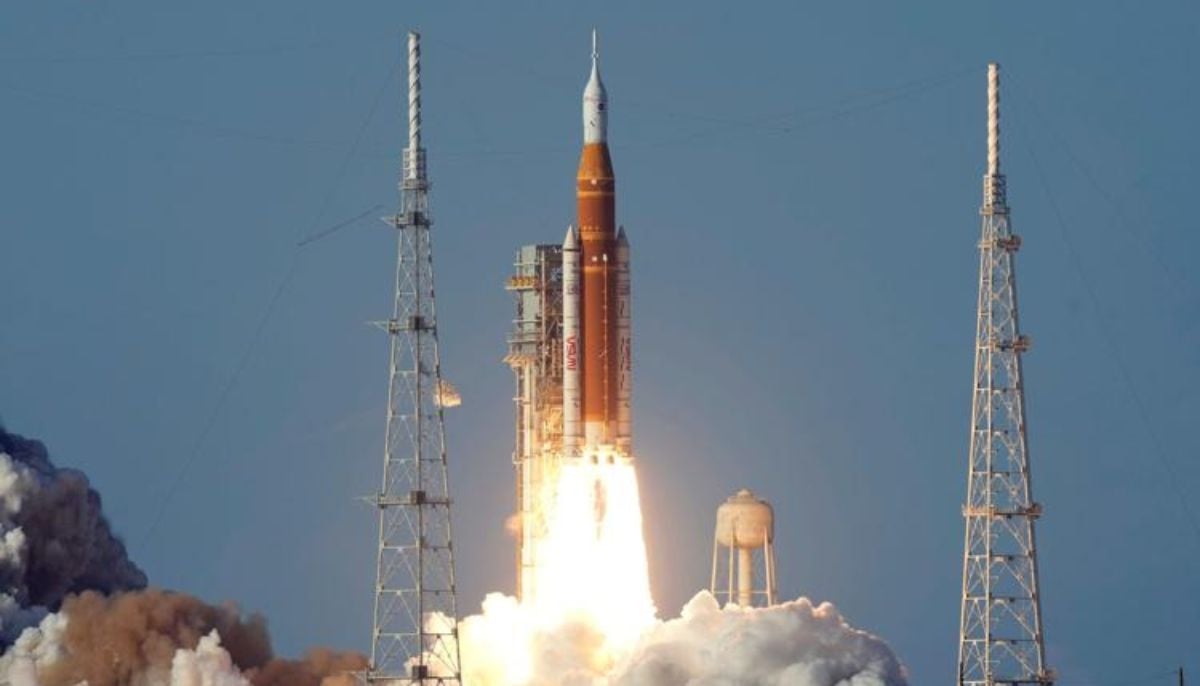 Even in space: NASA Artemis II astronauts hit Outlook glitch mid-mission
 -
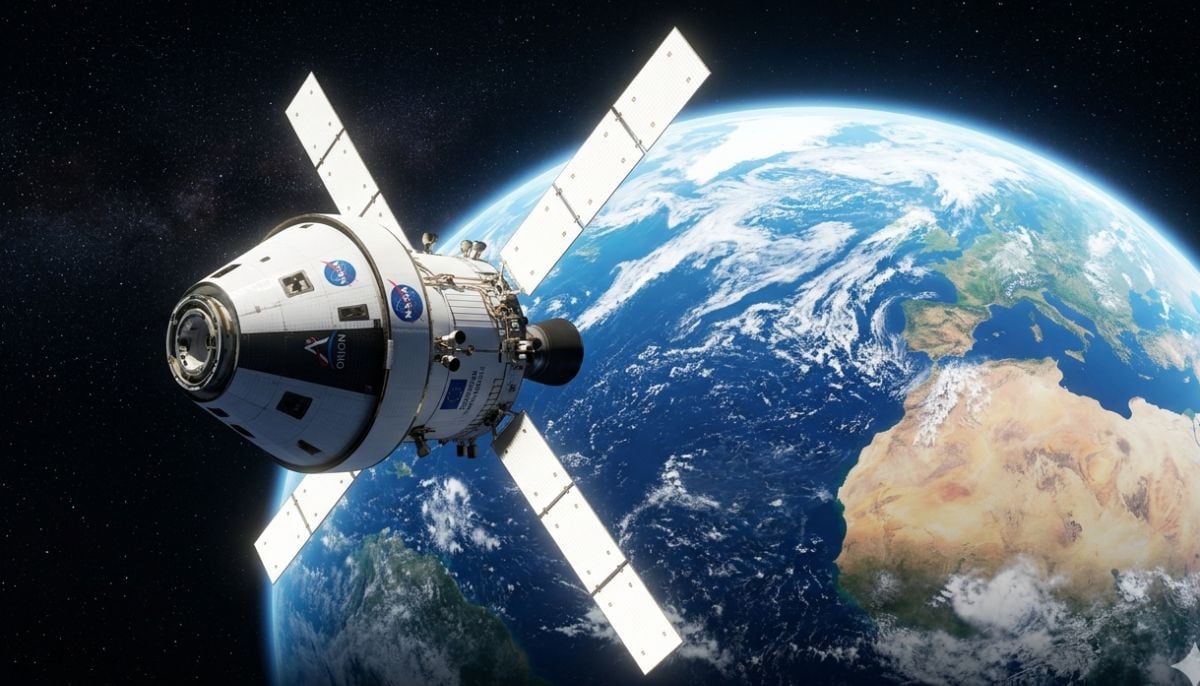 Artemis II hurtles ever closer to the lunar far side
 -
 Where is Artemis II today? Here is everything to know about NASA’s journey to the moon
 -
 European Space Agency to negotiate with NASA on future lunar missions