Afghanistan's Taliban govt enacts 'vice and virtue' law
Law stipulates that "Muslim women are obliged to cover their faces, bodies" around "non-mahram" men
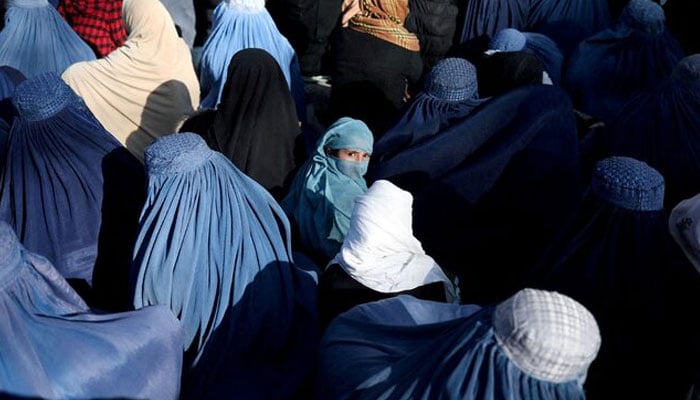
KABUL: Afghanistan's Taliban government has announced the codification of laws detailing rules of behaviour and lifestyle based on its own interpretation of religious law.
The 35-article law published in the official gazette on July 31 establishes prohibitions already generally known in the Islamic Emirate of Afghanistan — the Taliban government's formal name for the country — but its enactment could allow for increased control of the population.
The justice ministry announced on its website on Wednesday that the law had been approved by the Taliban's supreme leader, the reclusive Hibatullah Akhundzada, who rules by decree from the southern city of Kandahar.
The white-coat wearing personnel of the Ministry for the Propagation of Virtue and the Prevention of Vice in charge of enforcing the law have been fixtures of Afghan streets since the Taliban authorities swept to power in 2021.
Their mandate on issues that range from social interactions, private lives and style of dress has now been laid out in the law.
The Taliban government recently said the morality police will play an increasing role in enforcing religious law in Afghanistan, according to a UN report published in July that accused them of creating a "climate of fear".
The law stipulates in particular that "Muslim women are obliged to cover their faces and bodies" around men who are not "mahrams" — typically a husband, brother, father, son, grandfather or uncle under Islam — and non-Muslim women.
"If a mature woman must leave her house out of a necessity, she is obliged to cover her face, body and ensure her voice is not heard."
Men are also instructed not to wear shorts above the knee or to closely trim their beards.
Prohibitions are issued for vehicle drivers: no music, no drugs, no transporting unveiled women or women in the presence of men who are without a mahram.
Other rules include bans on homosexuality, missing prayers, adultery, gambling, making animals fight or disobeying one's parents, as well as creating or viewing images of living beings on a computer or phone.
For media outlets, the law stipulates they must not publish "content hostile to Sharia law and religion", that "humiliates Muslims" or "that shows living beings".
The law sets out graduated punishments for non-compliance: verbal warning, threats, fines, arrest ranging from one hour to three days, or others punishments requested by the morality police.
Repeat offences will lead to referral to the courts.


-
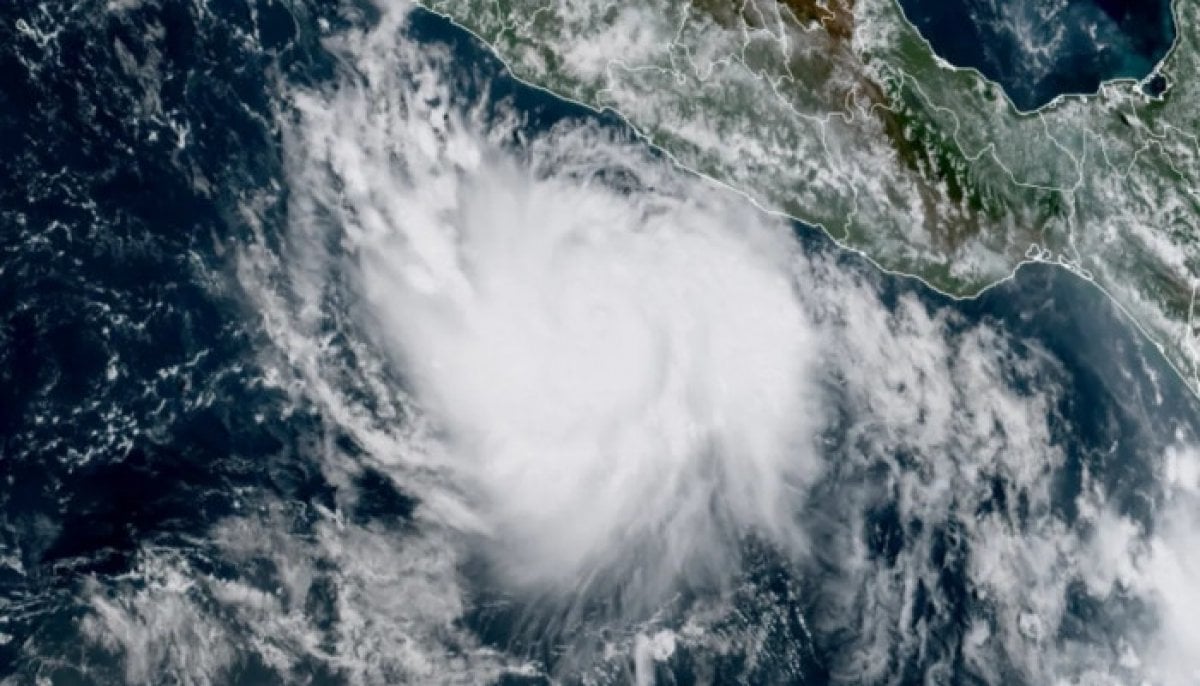 Mexico on alert as Hurricane Polo reaches Category 5 strength
 -
 Tucson police arrest five teens after stolen car incident and recover replica handgun
 -
 Net zero may not end climate inequality for poorer nations, research warns
 -
 Kamala Harris rallies behind progressive Abdul El-Sayed in Michigan Senate battle
 -
 Republican senator calls for investigation into Trump family business dealings: What to know
 -
 Trump insists US weapons stockpile remains strong despite Iran war concerns
 -
 UK PM Andy Burnham refuses to rule out EU rejoin pledge in next Labour manifesto
 -
 US F-16 reportedly crashes near American air base in Germany