
T20 World Cup 2024: South Africa bag new record after West Indies win
Proteas secure three-wicket win over co-hosts to become second team to proceed to semi-finals

Alongside their win against West Indies in the ongoing T20 World Cup 2024, South Africa have also bagged a new record for most wins in the tournament's history as they become the second team to qualify for the semi-final from Group 2 of Super 8 after England.
Courtesy of their three-wicket win against the co-hosts, the Proteas now have seven consecutive matches — the most by a team in a single T20 World Cup.
They are followed by Sri Lanka in second place with six wins in the 2009 edition of the T20 World Cup. The Islanders are tied with Australia who also won six fixtures in the 2010 and 2021 tournaments.
Earlier in the day, South Africa beat West Indies by three wickets (DLS method) in a thrilling contest at the Sir Vivian Richards Stadium, North Sound, Antigua to become the second team to qualify for the semi-final from Group 2 of Super 8 after England.
The Proteas had restricted the co-hosts to 135-8 in 20 overs after winning the toss and choosing to bowl first.
Chasing a revised target of 123 runs in 17 overs, since the match was affected by rain, the Proteas reached home in 16.1 overs for the loss of seven wickets.
Marco Jansen played a crucial unbeaten cameo of 21 runs in 14 balls to take his side over the line. He smashed a six on the first ball of the final over when his side needed five runs to win.




-
 Breezy Johnson engaged at Olympics after emotional finish line proposal
 -
 Olympics men hockey game: McDavid, Crosby power Canada past Czechia
 -
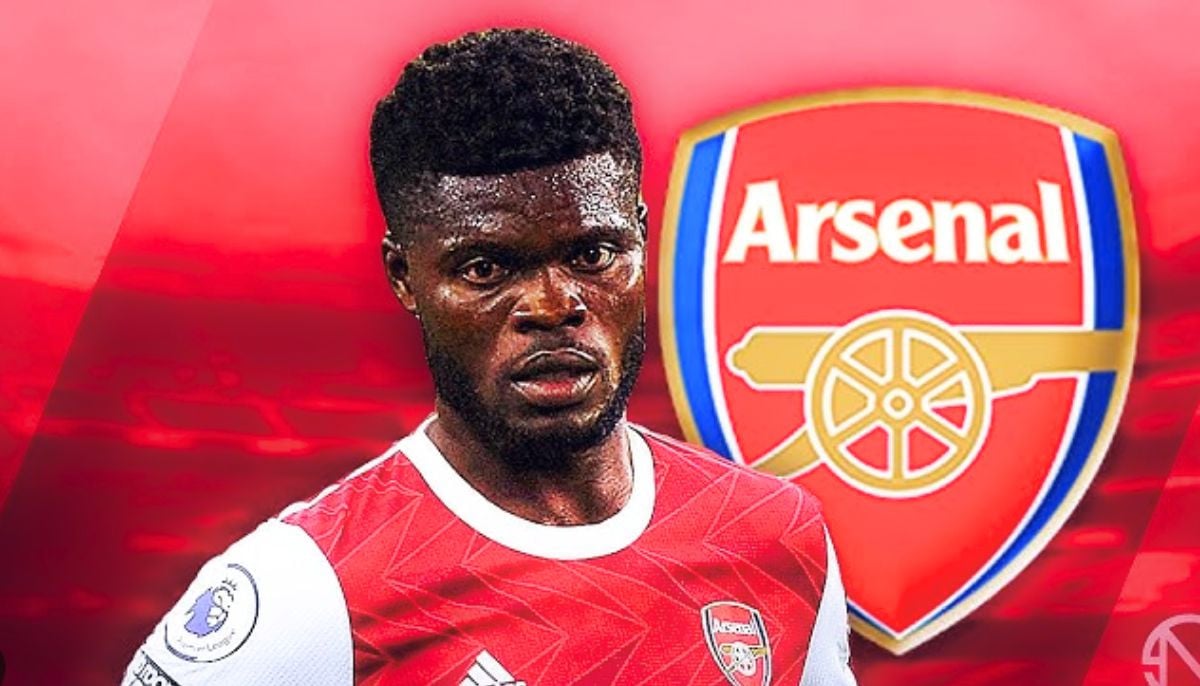 Ex-Arsenal footballer Thomas Partey charged with additional rape counts
 -
 Chloe Kim set for historic halfpipe gold showdown at Milano Cortina
 -
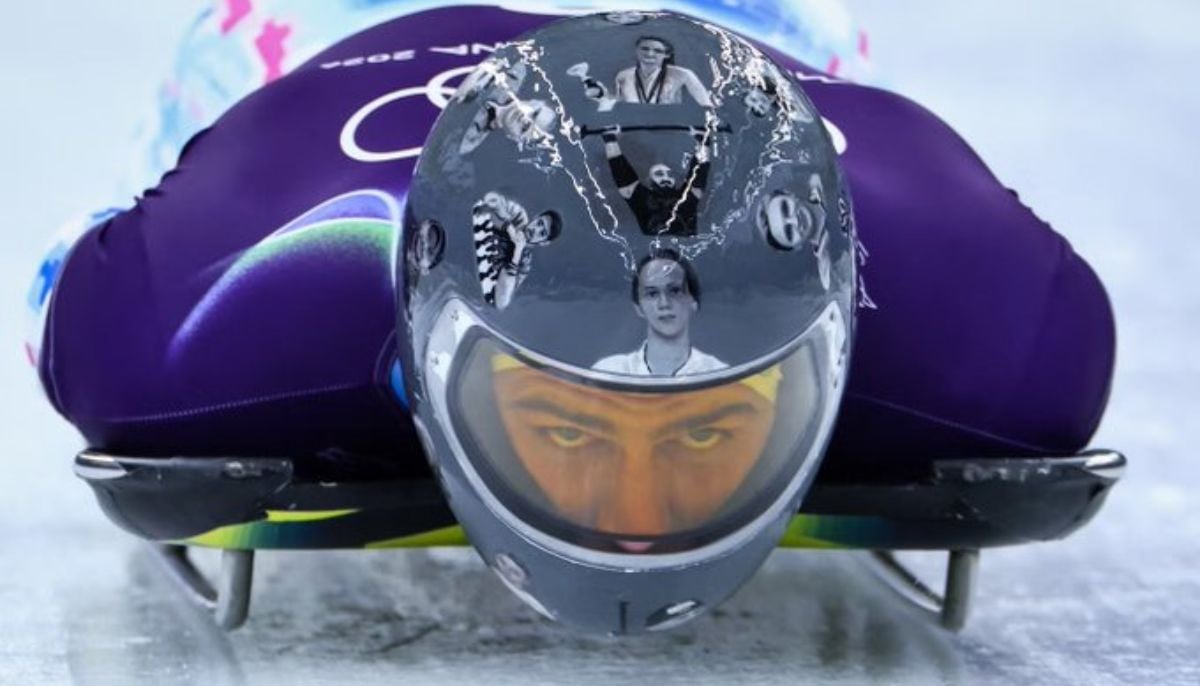 Vladyslav Heraskevych disqualified from Winter Olympics 2026 over helmet controversy
 -
 Thomas Tuchel set for England contract extension through Euro 2028
 -
 Milano-Cortina 2026: Assessing Italy’s Winter Olympics economic growth
 -
 Victor Wembanyama’s historic first half tops Tim Duncan, sparks massive NBA reactions