IMF: Global corruption costs trillions in bribes, lost growth
Public sector corruption siphons $1.5 trillion to $2 trillion annually from the global economy in bribes and costs far more in stunted economic growth, lost tax revenues and sustained poverty, the International Monetary Fund said
WASHINGTON: Public sector corruption siphons $1.5 trillion to $2 trillion annually from the global economy in bribes and costs far more in stunted economic growth, lost tax revenues and sustained poverty, the International Monetary Fund said on Wednesday.
In a new research paper, the IMF said that tackling corruption is critical for the achievement of macroeconomic stability, one of the institution´s core mandates.
The Fund argues that strategies to fight corruption require transparency, a clear legal framework, a credible threat of prosecution and a strong drive to deregulate economies.
"While the direct economic costs of corruption are well known, the indirect costs may be even more substantial and debilitating," IMF Managing Director Christine Lagarde wrote in an essay accompanying the paper. "Corruption also has a broader corrosive impact on society.
It undermines trust in government and erodes the ethical standards of private citizens," Lagarde added.
The paper, titled "Corruption: Costs and Mitigating Strategies," follows Lagarde´s warning to Ukraine in February that the IMF would halt its $17.5-billion bailout for the strife-torn eastern European country unless it takes stronger action to fight corruption, including new governance reforms.
Lagarde is due to participate in a British government-sponsored anti-corruption summit in London on Thursday that will include U.S. Secretary of State John Kerry and other senior officials including the presidents of Nigeria and Afghanistan.
Extrapolating from 2005 World Bank research, the paper estimated that around 2 percent of global gross domestic product is now paid in bribes annually.
But it said corruption´s indirect costs are substantially higher, reducing government revenues by encouraging tax evasion and reducing incentives to pay taxes, leaving less money available for public investments in infrastructure, health care and education.


-
 Why are people protesting in Milan?
 -
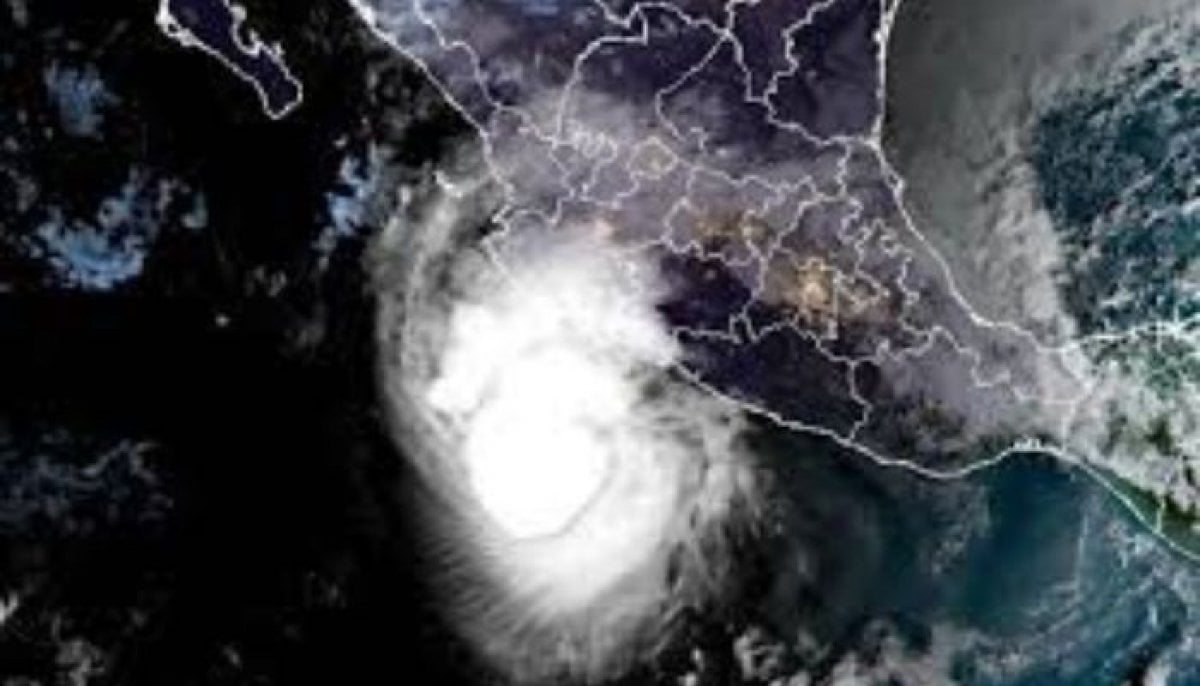 Hurricane Trudy nears Mexico’s Pacific Coast, threatening heavy rain
 -
 Ukraine dismisses Russia’s claimed territorial advances as an ‘illusion’
 -
 Pope Leo discharged from hospital four days after lung cancer surgery
 -
 Zelenskyy eyes possible meeting with US and Russia during G20 summit
 -
 Russia-Ukraine border ‘security zone’: Why Putin calls it ‘non-negotiable’
 -
 Russia sanctions on hold: Zelenskyy sends message to Trump
 -
 Elizabeth Holmes' partner defends participation in 'You Can See Everything'
-
 Is the world five years away from a space war? Experts weigh in
 -
Trump makes last-minute Russia sanctions move, citing ‘US national interests’
-
Trump defends himself and Elon Musk after Zelenskiy's criticism over Starlink
-
Sanae Takaichi under fire for saying women work longer hours because of makeup and chores