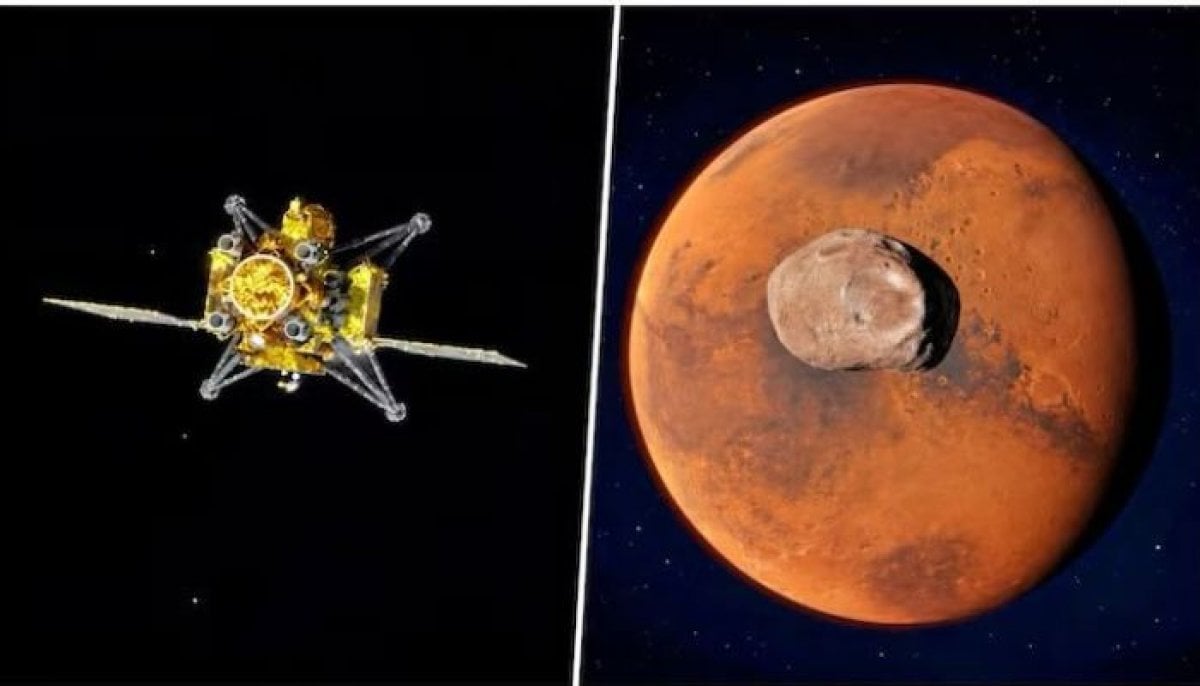
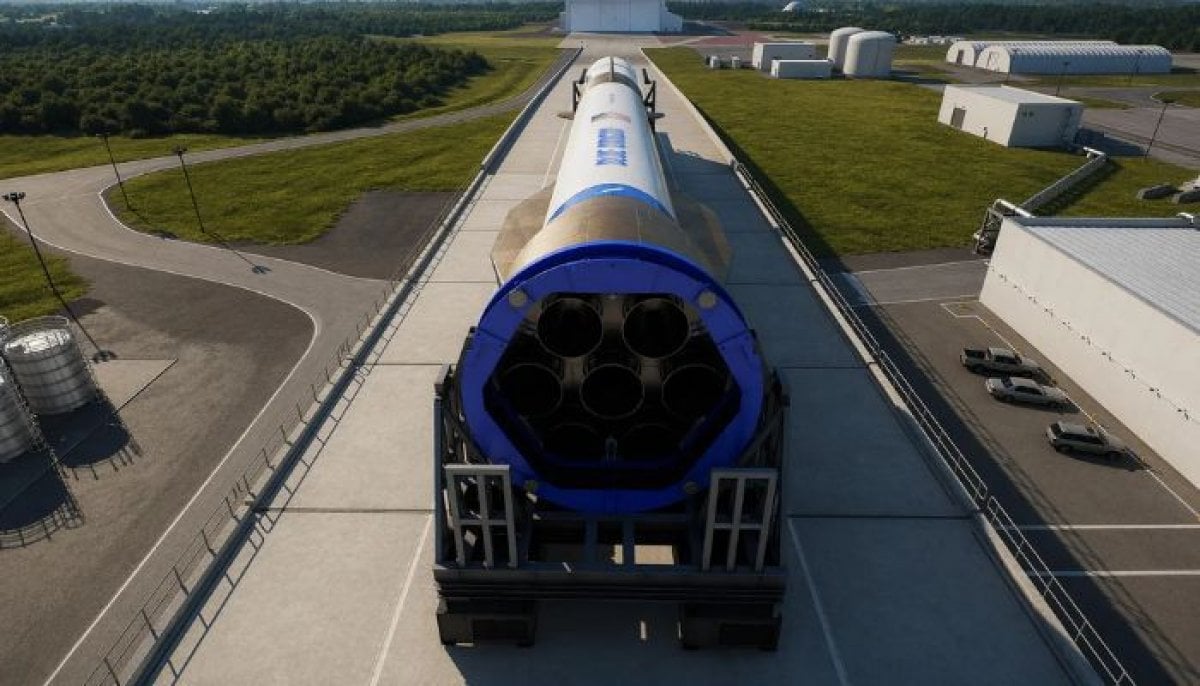
Nasa reveals rocket that can travel to Mars in 2 months
Nasa reveals rocket that can travel to Mars in 2 months

Nasa is currently working with a business that is creating power engines that can send humans to Mars in two months as opposed to nine.
One of humanity's greatest goals is to conquer other worlds. The new creation will expedite our progress toward our cosmic objective, according to Universe Magazine.
Arizona-based Howe Industries is developing a propulsion technology that could be proved transformative. A pulsed plasma rocket will use nuclear fission, or the release of energy from atoms splitting apart, to form plasma packets for thrust in order to reach high speeds in a shorter amount of time.
Actually, the engine produces a regulated plasma jet that will aid in propelling the rocket into orbit at speeds far greater than those attained by conventional chemical engines at the moment.
The spaceship can produce up to 10 tonnes of thrust with a specific impulse of 5,000 seconds by using a plasma propulsion system, which guarantees exceptionally great fuel efficiency.
It sounds like a significant breakthrough. That being said, this idea is not wholly novel. An analogous idea, dubbed PuFF, was already created by Nasa in 2018. However, Nasa claims that the pulsed plasma rocket is more reasonably priced and has a more straightforward architecture.


-
 Chinese astronomers discover real-life three-body system unlike Liu Cixin’s fiction
 -
 Hunter’s Moon 2026: When and how to watch October’s full moon
 -
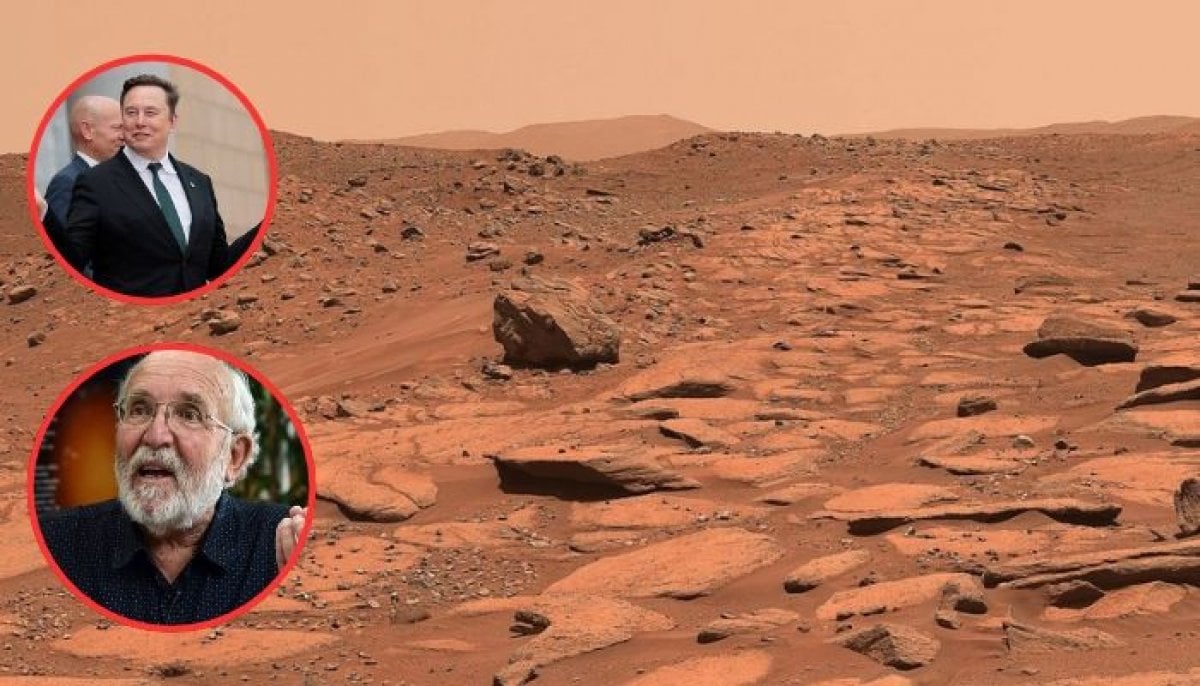 Elon Musk’s Mars colonization dream faces reality check from Nobel laureate
 -
 NASA competition model 2.0 cuts mission selection by 45%
 -
 A ‘neglected’ neutrino may hold the key to why the Universe exists
 -
 Can cancer drugs be made in space? Here’s what the new mission aims to find out
 -
 SpaceX Falcon 9 successfully launches Bandwagon-5 mission with 32 payloads
 -
 Europe launched 8 orbital rockets last year, can it rival Starlink?