
Fourth phase of Indian elections flares up religious rhetoric
Low turnout in first three phases have raised concerns about voter disinterest in election without any notable central issue
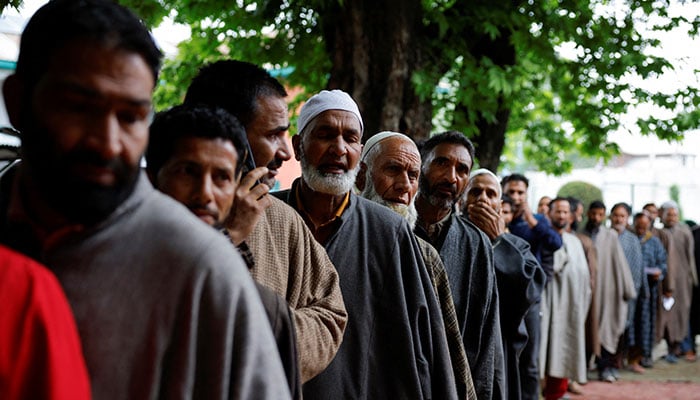
HYDERABAD/BHUBANESWAR: The fourth phase of the Indian elections commenced on Monday with increased religious rhetoric and exacerbated social and economic fault lines.
With nearly a billion voters taking part in the voting process, Prime Minister Narendra Modi and his Hindu nationalist Bharatiya Janata Party (BJP) are seeking a rare third straight term an alliance of more than two dozen opposition parties, including its main rival Congress.
It is to pertinent to know that the voting process kicked off on April 19 and will continue in phases with ballots set to be counted on June 4.
"I appeal to all to vote for a decisive government," said Amit Shah, Modi's close aide and country's Home Minister, as voting began.
Polling will be held for 96 seats in 10 states and territories on Monday, with 177 million people eligible to cast their ballots. A large number of seats are in the southern and eastern states of Telangana, Andhra Pradesh and Odisha where the BJP is not as strong as other parts of the country.
Turnout is being closely watched as marginally lower numbers in the first three phases have raised concerns about voter disinterest in an election without a strong, central issue.
The impact of hot weather on voting is also being watched with maximums in many parts of the country around 40°C or higher.
The lower turnout has raised doubts over whether the BJP and its allies can win the landslide predicted by opinion polls.
Analysts say the lower turnout prompted Modi to change the tack of his campaign after the first phase, shifting focus from his economic record to accusing the Congress of planning to extend welfare benefits to minority Muslims at the expense of disadvantaged tribal groups and Hindu castes.
Congress has denied making any such promise and has said Modi is rattled by the turnout, which the BJP denies.
About 80% of India's 1.4 billion people are Hindus but it also has the world's third-largest Muslim population of about 200 million people. Surveys suggest voters are most concerned about unemployment and price rise.
Led by Rahul Gandhi, Congress is pitching for better representation and welfare programmes for India's poor and disadvantaged groups, stating that wealth inequality has worsened during Modi's 10-year term, a charge rejected by the government.
The opposition INDIA alliance led by Congress got a shot in the arm ahead of Monday's vote when the Supreme Court gave temporary bail to Arvind Kejriwal, chief minister of the national capital territory of Delhi and a key opposition leader, allowing him to campaign.
Kejriwal is a fierce critic of Modi and was arrested a month before the elections in a liquor policy graft case, sparking accusations Modi's government was seeking to cripple the opposition through investigations and arrests.
Kejriwal denies the corruption allegations while the government says it does not influence law enforcement agencies.




-
 EU rejects any rise in US tariffs after court ruling, says ‘a deal is a deal’
 -
 Woman allegedly used ChatGPT to plan murders of two men, police say
 -
 UK seeks ‘best possible deal’ with US as tariff threat looms
 -
 Sterling K. Brown's wife Ryan Michelle Bathe reveals initial hesitation before taking on new role
 -
 Rising energy costs put UK manufacturing competitiveness at risk, industry groups warn
 -
 Liza Minnelli recalls rare backstage memory with mum Judy Garland in new memoir
 -
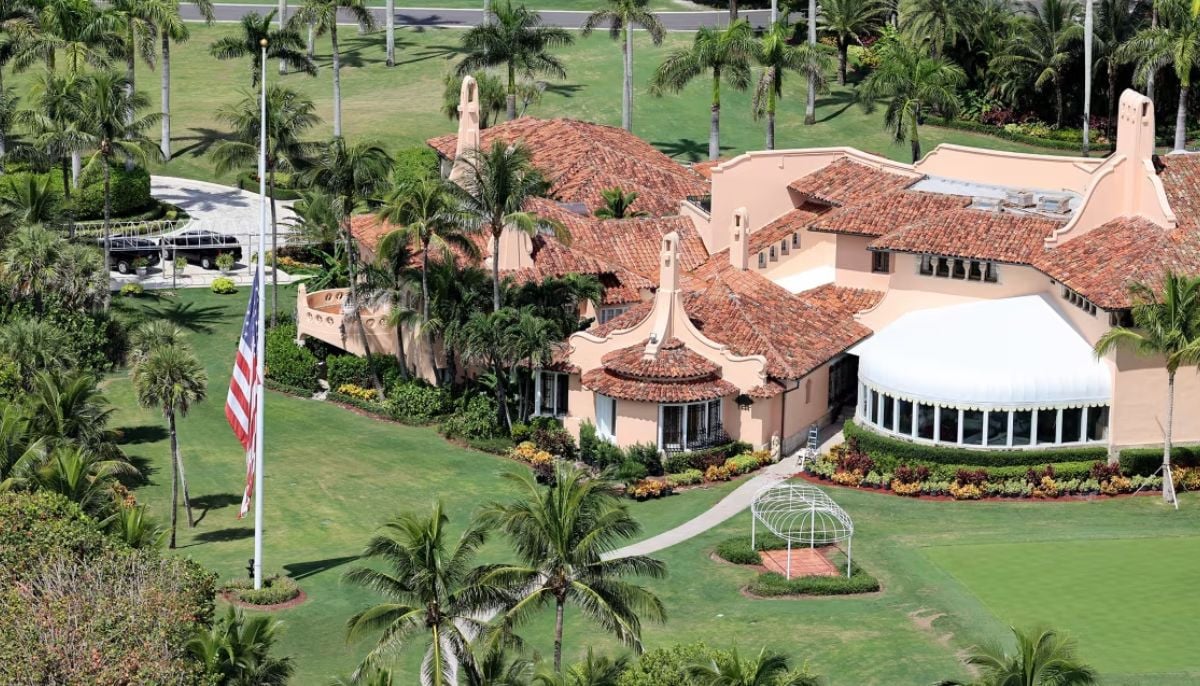 Armed intruder shot dead at Trump's Mar-a-Lago residence: US Secret Service
 -
 Kurt Russell spills the beans on his plans for milestone birthday this year: 'Looking forward to it'