Apple iPhone 16 specifications revealed
Tim Cook's American giant has new features for iPhone 16 models
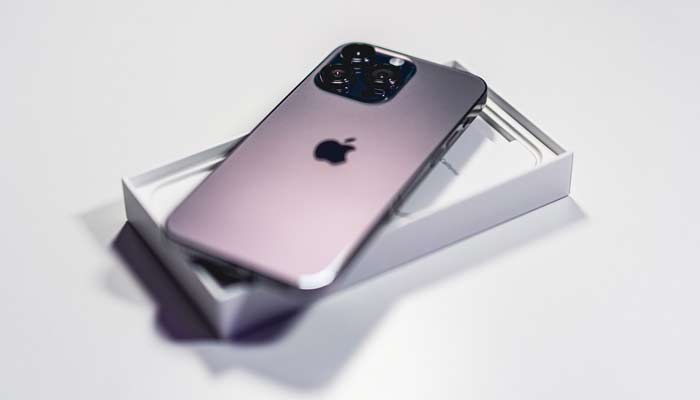
Apple iPhone 16 models’ camera is reportedly going to be a vertical array which will help users to accommodate spatial video capture.
As per recent leaks shared on X by Sonny Dickson, a number of new features and specifications are expected in Apple’s new iPhone 16 models.
A clear view of the slightly larger dimensions of the iPhone 16 Pro and iPhone 16 Pro Max have been provided by the leak images.
The iPhone 16 Pro and iPhone 16 Pro Max are anticipated to increase from 6.1 to 6.3 inches and 6.7 to 6.9 inches, respectively, which is larger as compared to their predecessors.
Moreover, the images also show how these sizes stack up against the other models within the lineup.
With rumours suggesting a substantial increase in display size, the excitement over Apple’s upcoming iPhone 16 Pro and iPhone 16 Pro Max models is building up.
Apple plans to use a novel technology called "Border Reduction Structure" (BRS) to accomplish this goal, as per a recent report from The Elec, cited by 9to5Mac.
Signaling a shift towards a sleeker design, the groundbreaking BRS technology is structured to lessen the bezels on the iPhone 16 Pro models.
Apple intends to significantly slim down the bezels by implementing an advanced under-display system. This is a change, which is expected to transform the visual experience for iPhone users.


-
 New study explains 364-day Qumran calendar puzzle
 -
 Why does time feel faster as you age? Science explains
 -
 Scientists name newly discovered snake after Guns N' Roses' Slash
 -
 SpaceX secures three new NASA crew flights: What to know
 -
 Sovereign AI fund in talks to back Political Sciences: What to know
 -
 What recent discovered Moon Crater Means for Future Astronauts
 -
 Scientists discover new wild cat species in Bolivia for the first time in a century
 -
 SpaceX turns to failed startups for AI training: Here’s why