
Ansaldo Honolulu unveils driverless metro train in US
The joint venture between the two Italian subsidiaries of the Hitachi Group will design and manufacture Honolulu´s rail transit system, as well as build 20 driverless trains.
HONOLULU, USA: Ansaldo Honolulu, a joint venture between Ansaldo STS and Hitachi Rail Italy, unveiled the first driverless and staff-less train for urban transport in the U.S. in Honolulu.
The joint venture between the two Italian subsidiaries of the Hitachi Group will design and manufacture Honolulu´s rail transit system, as well as build 20 driverless trains.
Ansaldo STS, which has the majority stake in the joint venture, is responsible for the design, production, installation, and testing of the signaling, traction, and communications systems - the brain and heart of the train, so to speak - as well as maintenance and recovery vehicles.
Honolulu´s driverless rail transit system is based on technology that Ansaldo STS already tested successfully for the first time in Copenhagen.
It has also implemented over 250 km of automated metropolitan lines in many cities across the globe, including Milan, Rome, Brescia, Thessaloniki, Riyadh, Taipei, Lima, Copenhagen (the third City Ring line). Another one is currently under construction in Glasgow.
"If millions of people move safely, it is due to Ansaldo STS technology that provides the brain and the heart of the trains," stated Stefano Siragusa, Chief Executive Officer and General Manager of Ansaldo STS.




-
 Space-based solar power could push the world beyond net zero: Here’s how
 -
 Hidden ‘dark galaxy' traced by ancient star clusters could rewrite the cosmic galaxy count
 -
 Astronauts face life threatening risk on Boeing Starliner, NASA says
 -
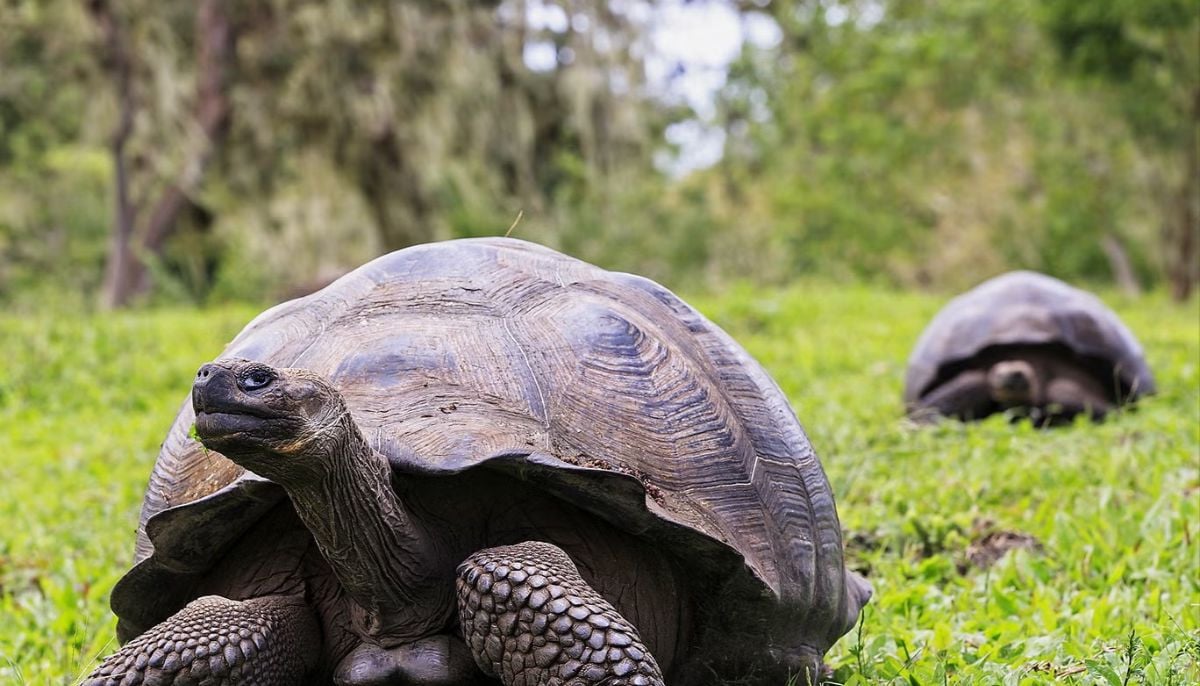 Giant tortoise reintroduced to island after almost 200 years
 -
 Blood Falls in Antarctica? What causes the mysterious red waterfall hidden in ice
 -
 Scientists uncover surprising link between 2.7 million-year-old climate tipping point & human evolution
 -
 NASA takes next step towards Moon mission as Artemis II moves to launch pad operations following successful fuel test
 -
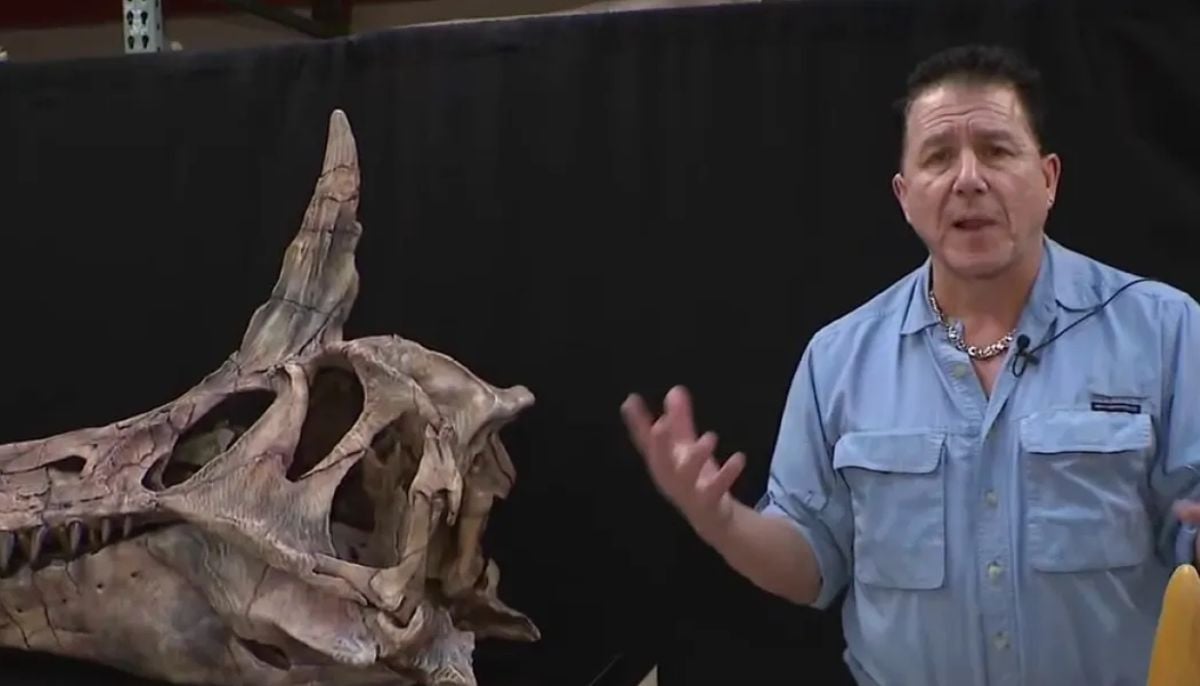 Spinosaurus mirabilis: New species ready to take center stage at Chicago Children’s Museum in surprising discovery