Scientists finally solve mystery on why humans do not have tails
Changes in DNA, 25 million years ago, helped humans transition to bipedalism
Scientists have finally discovered the reason why we humans do not have tails by studying our genetic codes, CNN reported.
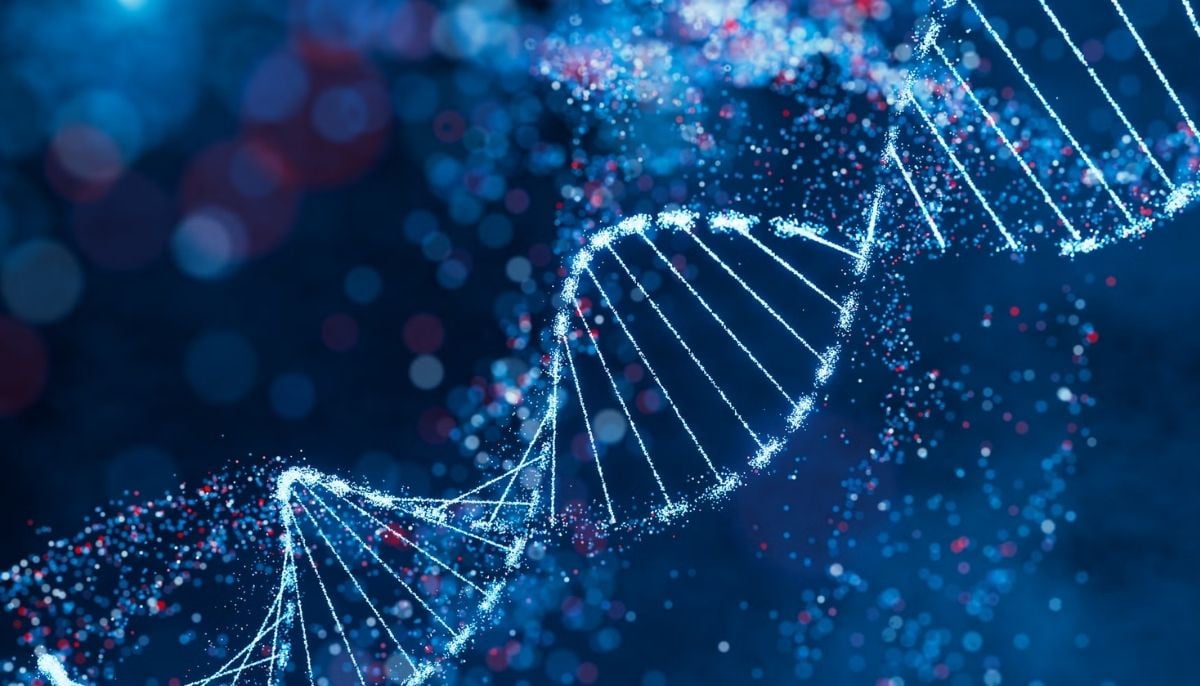
In the study, published in the journal of Nature, researchers have identified a genetic connection between human tail loss and a type of birth defect.
According to the study, approximately 25 million years ago, humans genetically diverged from a group called, old world monkeys, which caused us to lose our tails.
It was due to our transition to bipedalism, which is our ability to walk on two feet, that we became tailless.
Over millions of years, changes in deoxyribonucleic acid (DNA) have caused humans and animals to evolve. A type of DNA called the Alu element which for years has been labelled as "junk DNA," was found critical to the ground-breaking finding. Alu elements are capable of switching their positions triggering mutations.
Biological anthropologist Liza Shapiro, while studying the new research said that while the Study explains the how the tail loss occurred in humans and apes, it does not explain why we lost our tails.
She further added, that "the tail was lost first, and then the locomotion we associate with living apes evolved subsequently, But it does not help us understand why the tail was lost in the first place."
She further added that babies in womb are born with tail, however in the eight week, the tail gets disconnected.


-
 Can we finally find aliens? Scientists reveal a surprising new ‘organizational’ approach
 -
 Study reveals how to tell real alien life from chemical fakes
 -
 Scientists find hidden third ancestral group in Japanese genomes
 -
 SpaceX ‘Space Junk’ is on a collision course with the Moon, scientists say
 -
 Do you know what happened on May 10, 1967? NASA's M2-F2 disaster explained
 -
 Why the Southern Ocean is melting: Antarctica’s sea ice resilience reaches a breaking point
 -
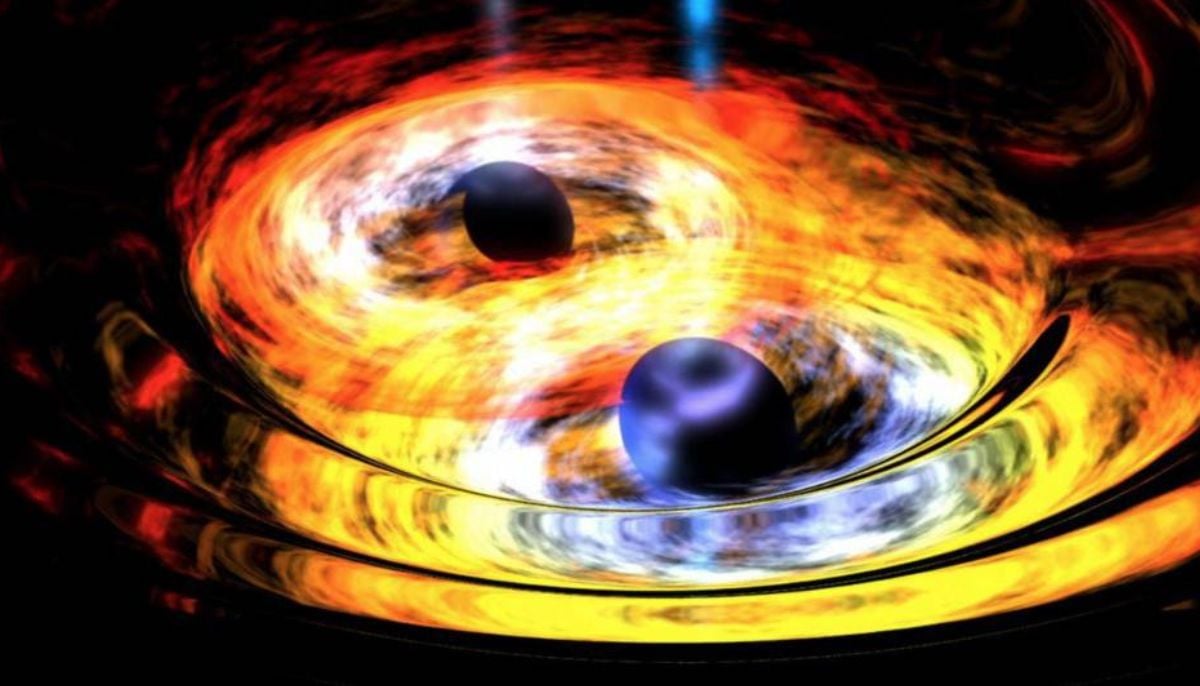 Giant black holes are cosmic ‘Frankensteins’ built by mergers, new study reveals
 -
 NASA’s Artemis 2 moon launch becomes the largest event in Space Coast history
-
 Is success written in your DNA? New study reignites nature vs nurture debate
 -
Researchers found 240-million-year-old giant mysterious 'sand creeper'
-
New solar-powered process turns plastic waste into clean hydrogen
-
Giant squid detected off Western Australia coast as deep-sea study reveals hidden species