Elon Musk's Neuralink kills 1,500 animals CIA style for making paralysis-curing brain chips
Tesla CEO's brain interface company has been abusing animals for years in the name of research
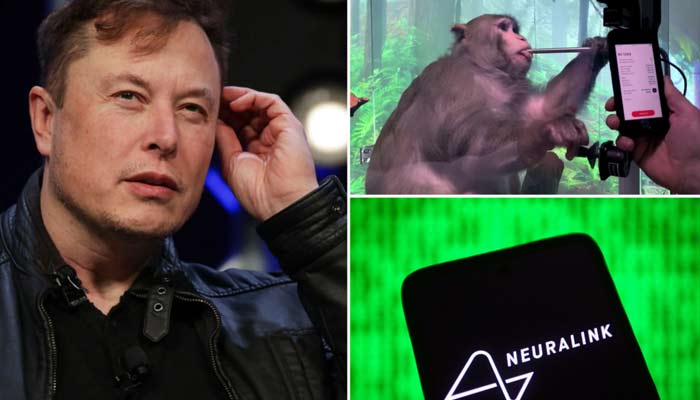
Elon Musk’s Neuralink has been accused of animal cruelty and enabling labs to abuse them for years.
However, on the altar of brain-computer interface science, the company is not the first to sacrifice heaps of animals, according to Daily Mail.
Even though Neuralink has reportedly killed more than 1,500 animals along the way, including monkeys, pigs, and sheep while developing its brain chip, the US government may have a worse body count over many decades.
A cat was operated on repeatedly to turn it into a secret listening device, and a shark was subjected to open-brain surgery to implant electrodes in an effort to control its behavior in some of the worst cases.
Just by thinking about the moves he wants to make after having the chip implanted in February, Noland Arbaugh, a 29-year-old who is paralysed from the shoulders down, can reportedly play chess on a computer.
Cats were enlisted in the cold war by a Central Intelligence Agency (CIA), by turning them into clandestine listening devices.
“A lot of money was spent,” as per the late Victor Marchetti.
“They slit the cat open, put batteries in him, wired him up. The tail was used as an antenna,” said Marchetti, who worked as special assistant to the director of Central Intelligence.


-
 New study sounds alarm as Doomsday Glacier melts more aggressively than thought
 -
 Hubble data hints at planet born after its star died
 -
 NASA to brief public on Artemis III mission progress
 -
 ‘Time capsule beneath the sea’: World’s oldest shipwreck holds secrets from Great Pyramid era
 -
 NASA spots mysterious V-shaped scar stretching 700 light-years across space
 -
 Space Jellyfish over Florida: What is that glowing cloud?
 -
 SpaceX Falcon 9 launches Dragon with 6,300 pounds of supplies to ISS
 -
 How far can a rover go? NASA’s Perseverance breaks Mars driving record