Shocking study reveals bottled water contains up to 100 times more nanoplastics than believed
Columbia University's study finds presence of nanoplastics – plastic particles smaller than 1 micrometer – in bottled water

A groundbreaking study published in the Proceedings of the National Academy of Sciences has unveiled a startling truth: bottled water contains a staggering amount of nanoplastics, up to 100 times more than previously estimated.
The research, conducted by a team from Columbia University, delved into the presence of nanoplastics – plastic particles smaller than 1 micrometer – in bottled water. Contrary to earlier beliefs that focused on larger microplastics, the study highlighted the immense abundance of these minuscule plastic particles, potentially signaling an underestimation of health concerns linked to plastic pollution.
The revelation raises significant alarms as nanoplastics, due to their size, can infiltrate human cells, enter the bloodstream, and pose severe threats to human health. The study's lead author, Ms. Naixin Qian, emphasized the gravity of this finding, stressing that the impact of nanoplastics on our health may have been vastly underestimated.
Utilizing a novel microscopy technique and a data-driven algorithm, researchers scrutinized 25 1-liter bottles from popular brands in the United States. Astonishingly, their analysis uncovered a range of 110,000 to 370,000 tiny plastic particles per liter, with a staggering 90% of them identified as nanoplastics.
The study not only detected commonly known plastic types like polyethylene terephthalate (PET) and polyamide but also stumbled upon numerous unidentified nanoparticles in the water, hinting at a potential higher prevalence of plastic contamination in bottled water than previously acknowledged.
This discovery carries global implications given the ubiquitous use of plastic. With over 450 million tonnes produced annually, plastic pollution persists and doesn't naturally degrade, disintegrating into smaller, potentially harmful particles over time.
The findings not only illuminate the substantial presence of nanoplastics in bottled water but also prompt urgent calls for further research into the broader implications of nanoplastic exposure on human health, stressing the critical need for more stringent regulations and comprehensive assessments of plastic pollution in consumables.


-
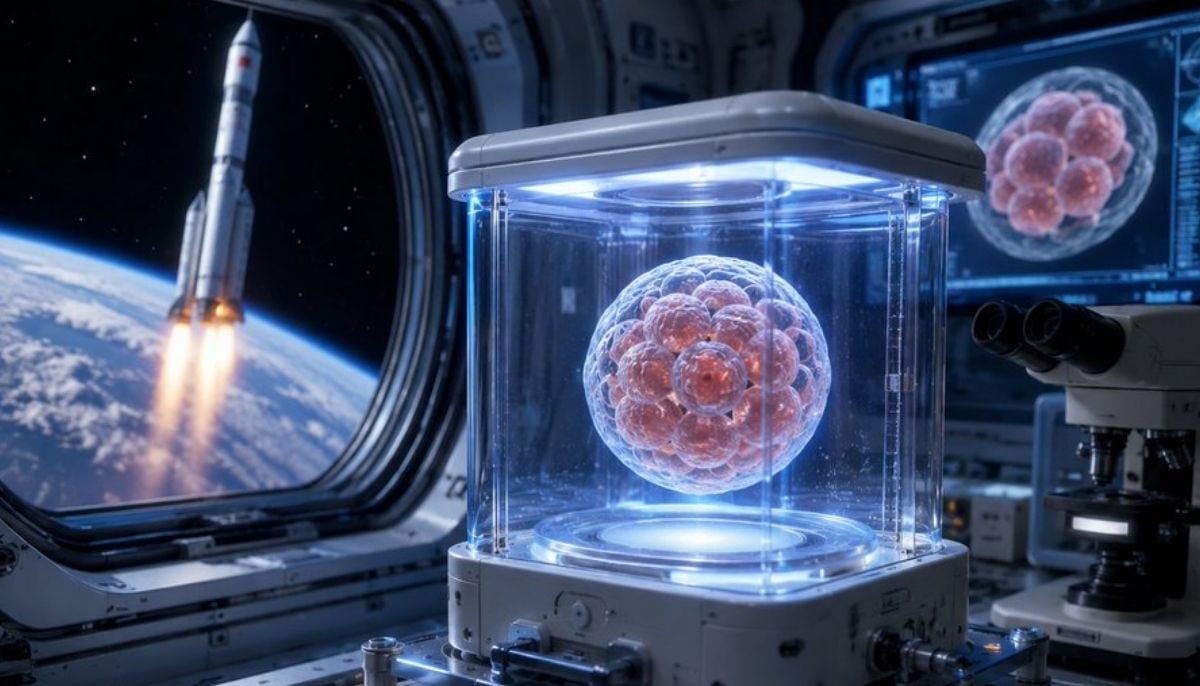 China sends artificial embryos into space—Could humans reproduce in zero gravity?
 -
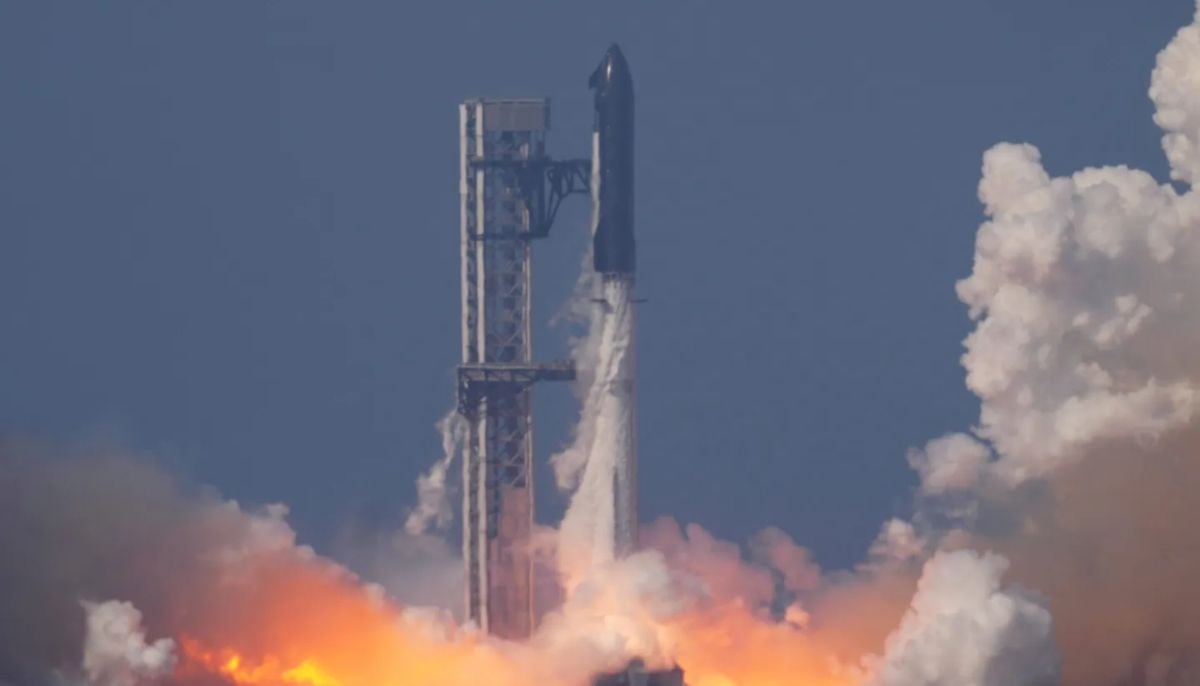 SpaceX IPO buzz intensifies as strategists debate $2 trillion valuation
 -
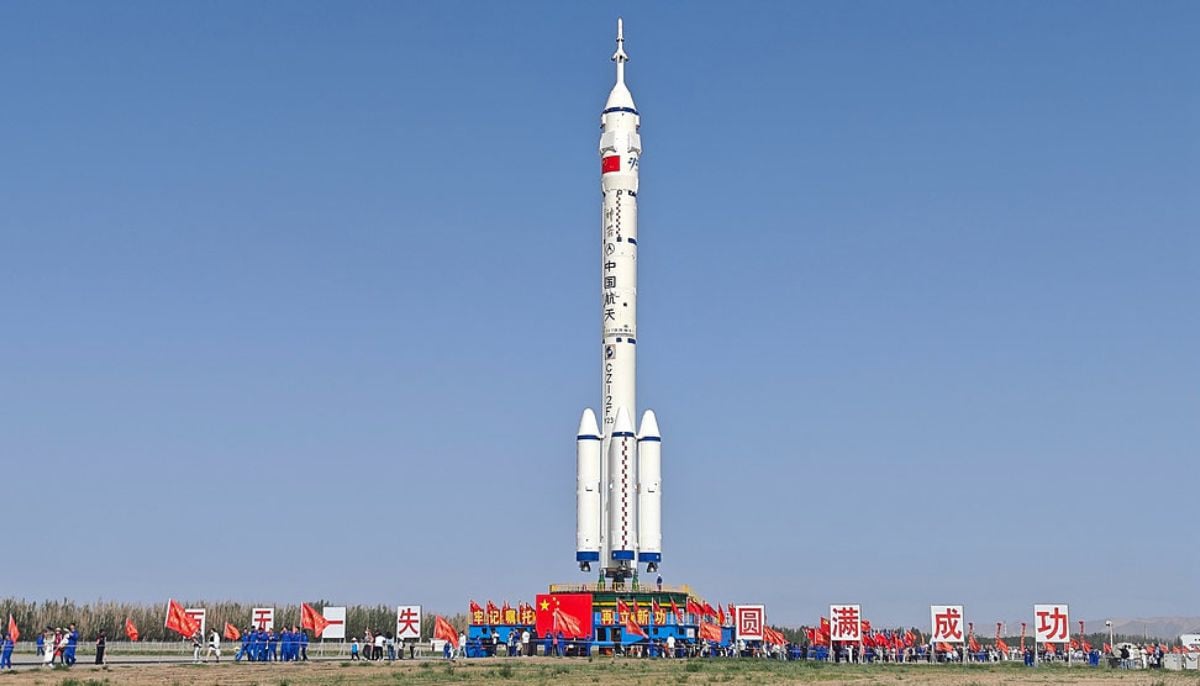 China to launch Shenzhou 23 crew to Tiangong space station
 -
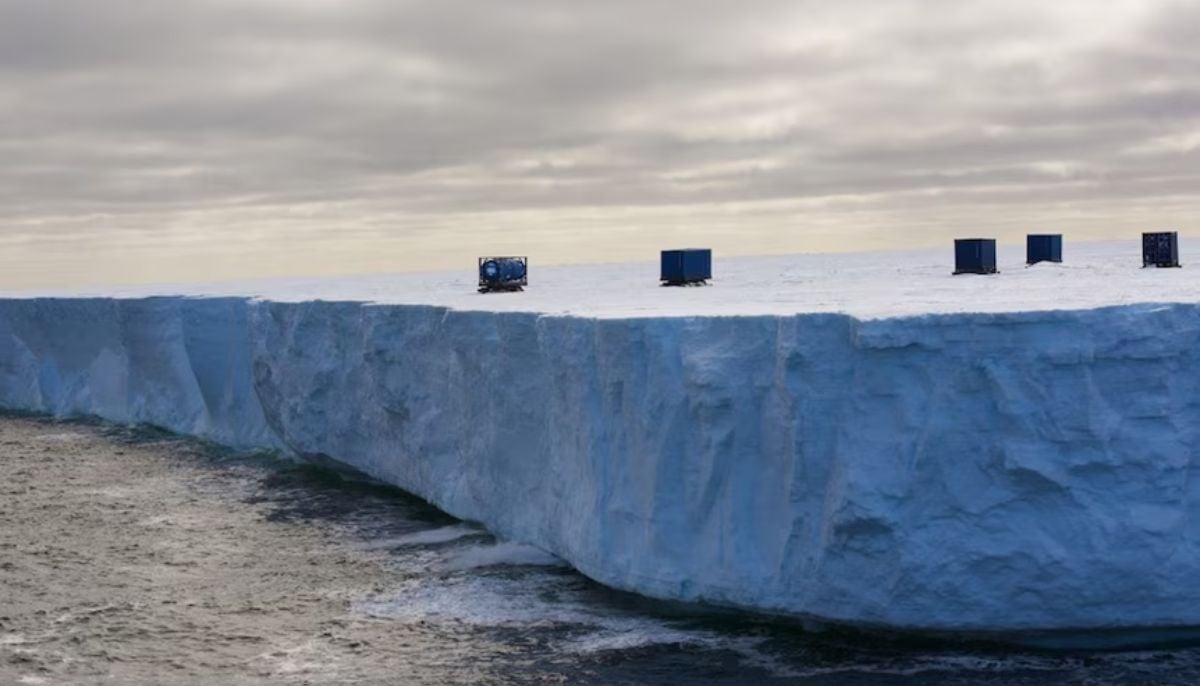 Antarctic blizzard sends fuel containers floating on an iceberg: Here’s why
 -
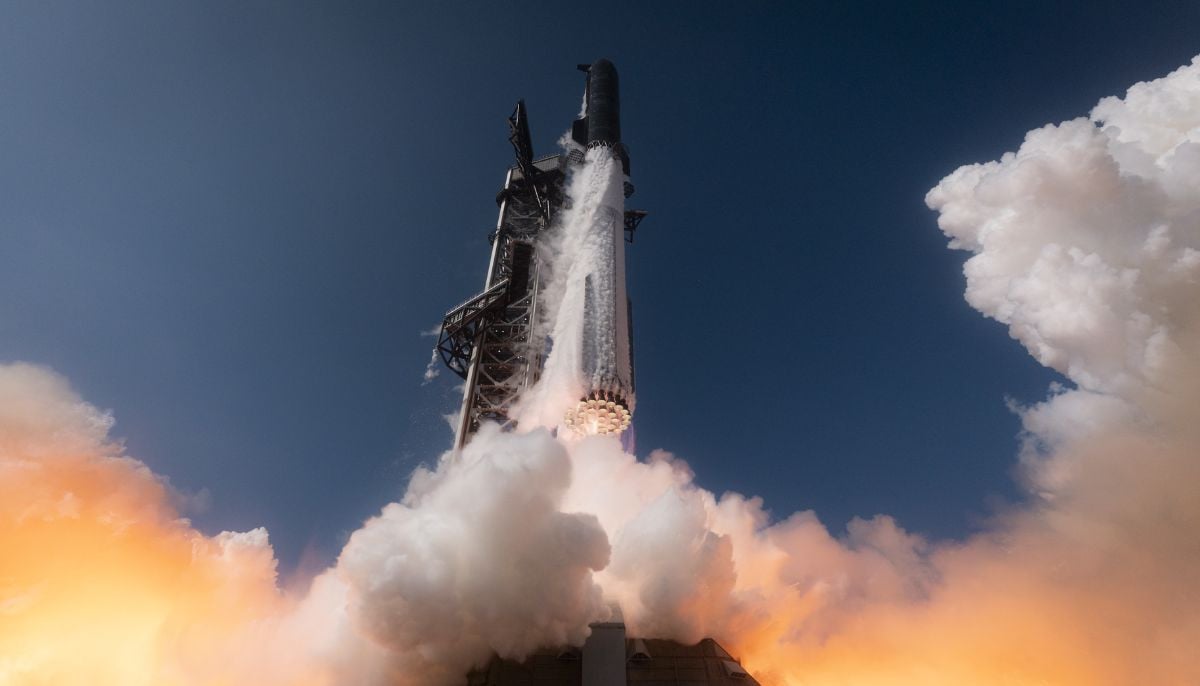 SpaceX Starship test flight succeeds despite engine failures
 -
 Is this Earth 2.0? NASA’s James Webb telescope spots ‘rare’ giant exoplanet
 -
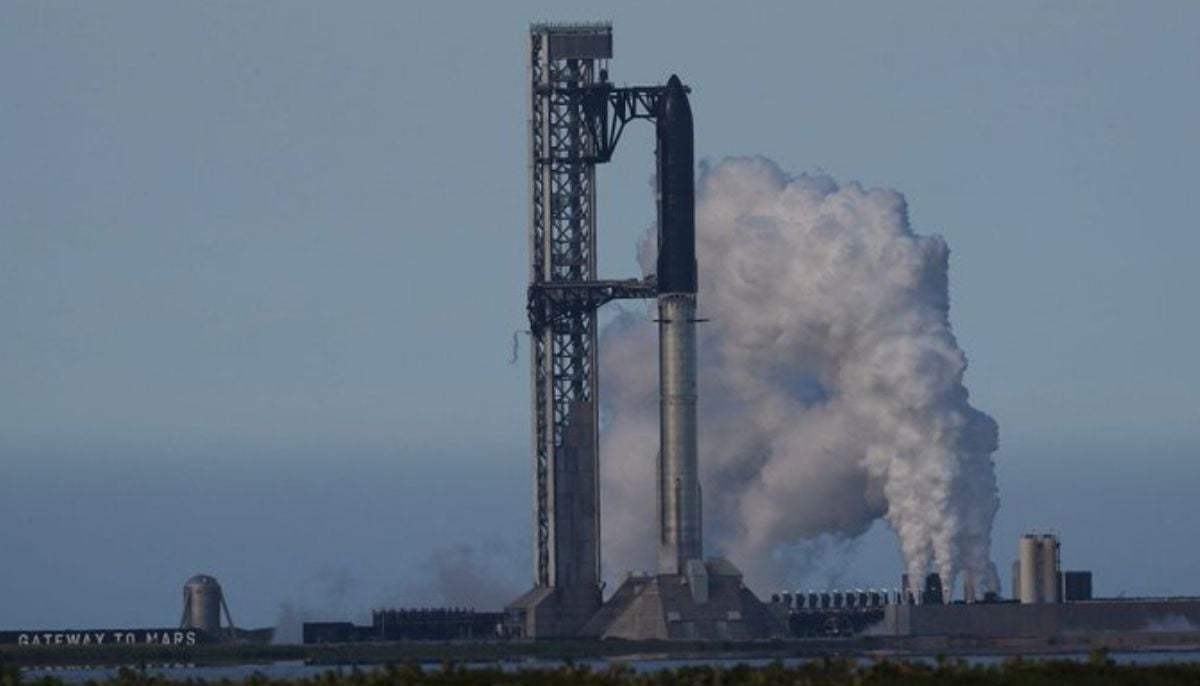 SpaceX Starship launch delayed again: Here’s what went wrong
 -
 Why do scientists think Neptune’s moon Nereid survived violent cosmic collision?