Zimbabwe's Emmerson Mnangagwa reelected as president amidst controversial poll
Emmerson Mnangagwa got 2,350,711 votes, constituting 52.6% of the total vote
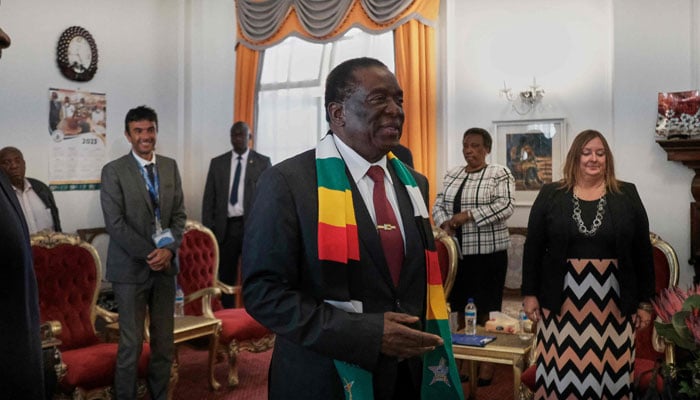
Zimbabwe's incumbent President Emmerson Mnangagwa secured his reelection after a tense presidential contest marked by delays and controversy.
The Zimbabwe Electoral Commission officially announced the results of the 2023 presidential election, declaring Mnangagwa the winner with 2,350,711 votes, constituting 52.6% of the total vote.
His closest rival, Nelson Chamisa of the Citizens Coalition for Change (CCC) party, garnered 1,906,734 votes, representing 44% of the total count.
This victory extends the decades-long dominance of the ruling party, Zanu-PF, over Zimbabwe's political landscape, which has persisted since the country's independence from Britain in 1980.
However, Chamisa, 45, who displayed optimism about his prospects, has rejected the results released by the electoral body, raising the possibility of a legal challenge.
Chamisa's party expressed concerns over late voting material deployment, resulting in widespread delays, as well as alleged irregularities in the voting process. The CCC claimed that some of its candidates were omitted from ballot papers, which were printed with the ruling party's candidates' photos on the CCC's rolls.
While the polls were noted for their peaceful conduct, international observers, including the European Union Election Observation Mission (EU EOM), highlighted issues such as curtailed fundamental freedoms and instances of violence and intimidation, creating an atmosphere of fear during the elections.
Additionally, approximately 40 election monitors were arrested for allegedly coordinating the premature release of results, according to Zimbabwean police. Human rights group Amnesty International linked these arrests to a report by the Zimbabwe NGO Forum that pointed out observed irregularities on election day.
This election marked the second since the ousting of authoritarian leader Robert Mugabe by the military in 2017. Mnangagwa, who played a role in Mugabe's downfall, succeeded him and maintained power after winning a contested presidential vote in 2018.
In the previous election, Mnangagwa secured 51% of the ballots, while Chamisa received 44%, prompting a legal challenge that was ultimately upheld by Zimbabwe's constitutional court.
Analysts anticipated the outcome of this recent election, deeming it less transformative. Mnangagwa's Zanu-PF party had expressed confidence in a resounding victory, echoing similar sentiments before the vote. The electoral landscape's dynamics suggest a continuation of the prevailing political narrative rather than a significant shift.


-
 US targets China chip sector with new export curbs on ASML
 -
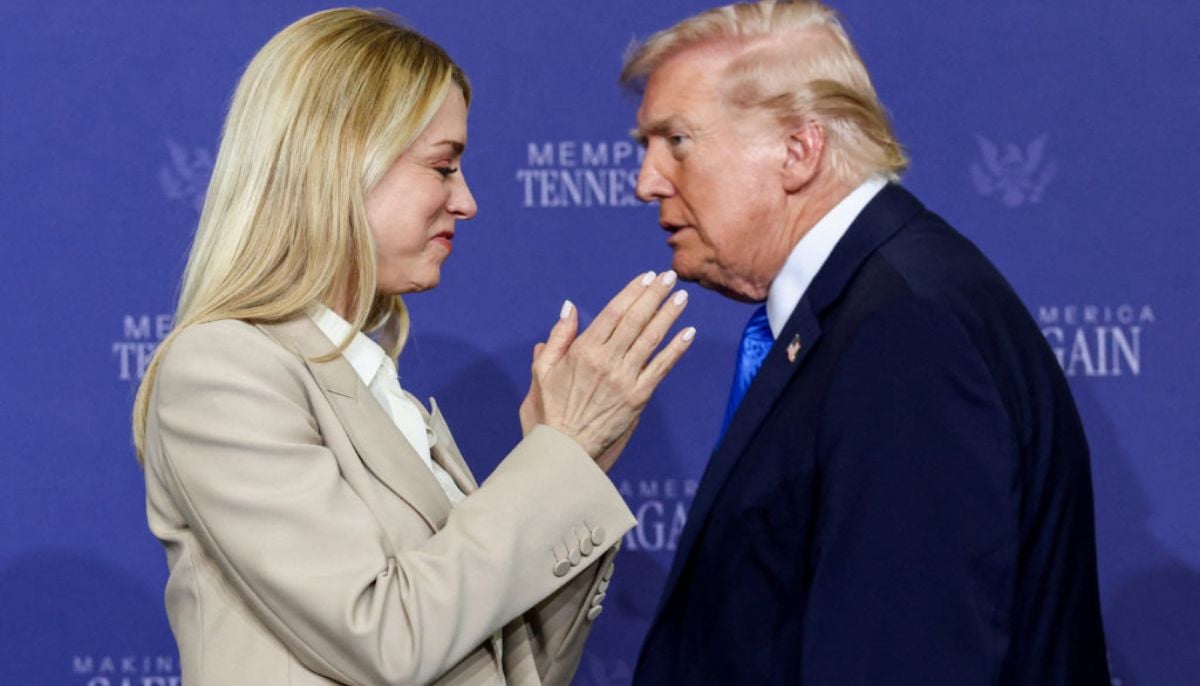 Trump administration labeled ‘misogynistic’ following dismissal of Pam Bondi and Kristi Noem
 -
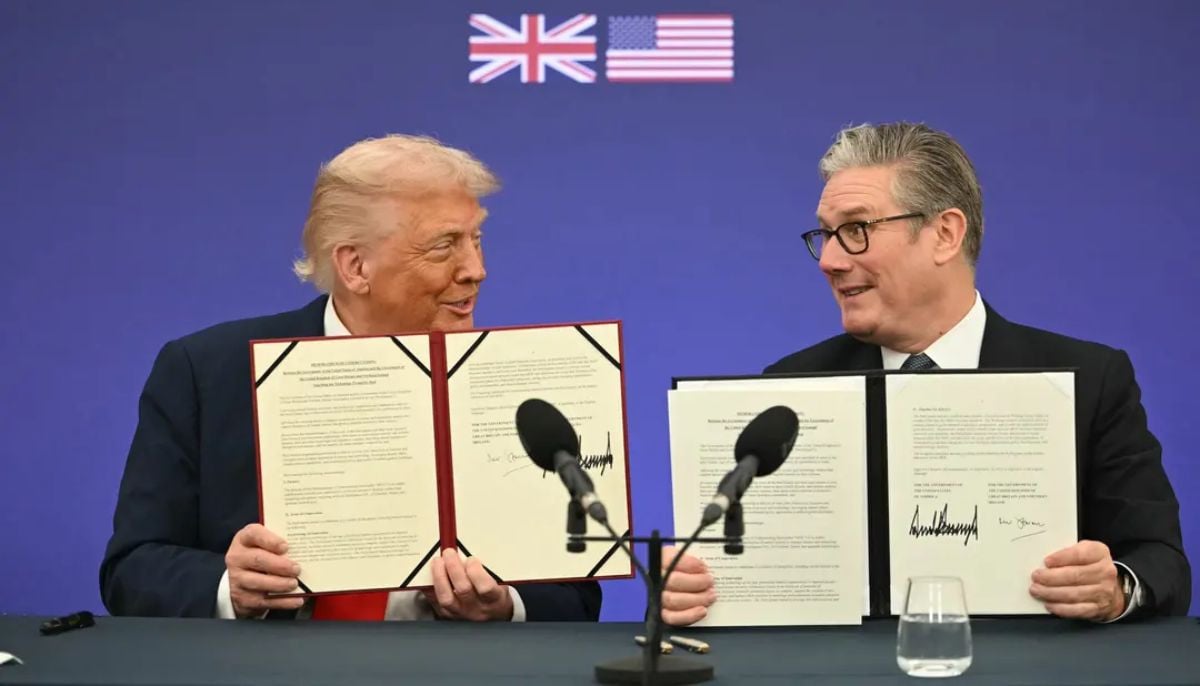 Trump mocks Starmer as UK–US tensions rise over defence
 -
 China tightens rules on digital humans and addictive kids’ content: Here’s why
 -
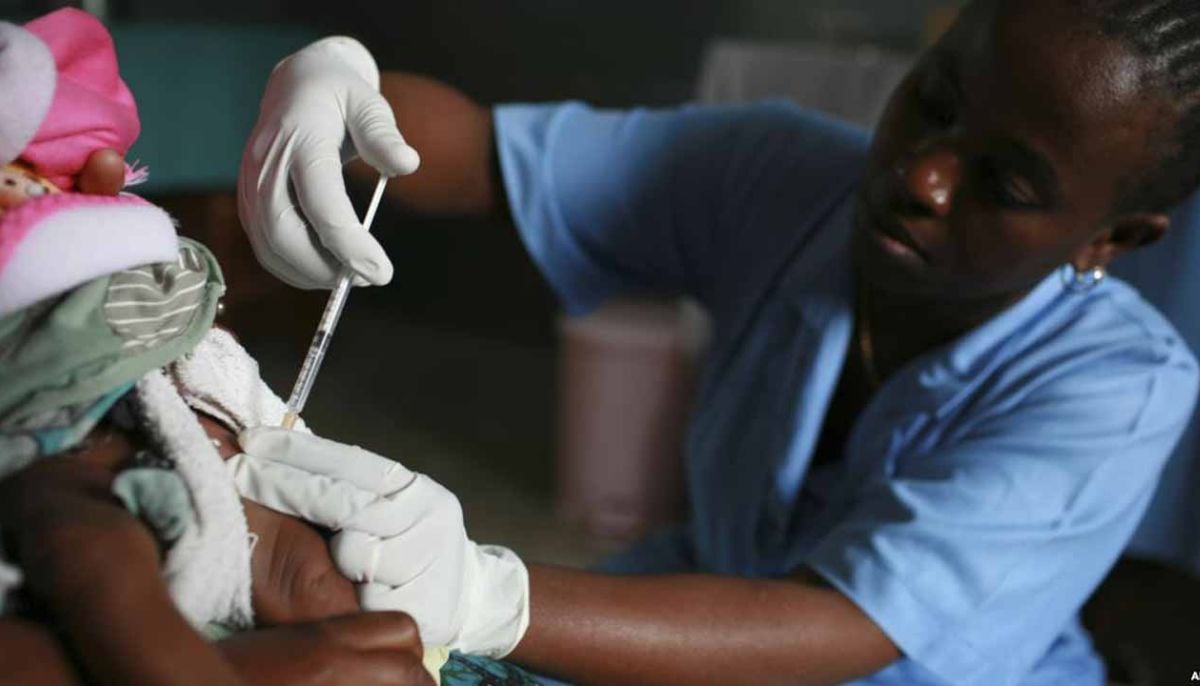 US disrupts global malaria and HIV supply chains, sparking health crisis fears
 -
 Uffizi galleries hit by cyberattack, valuables moved to bank
 -
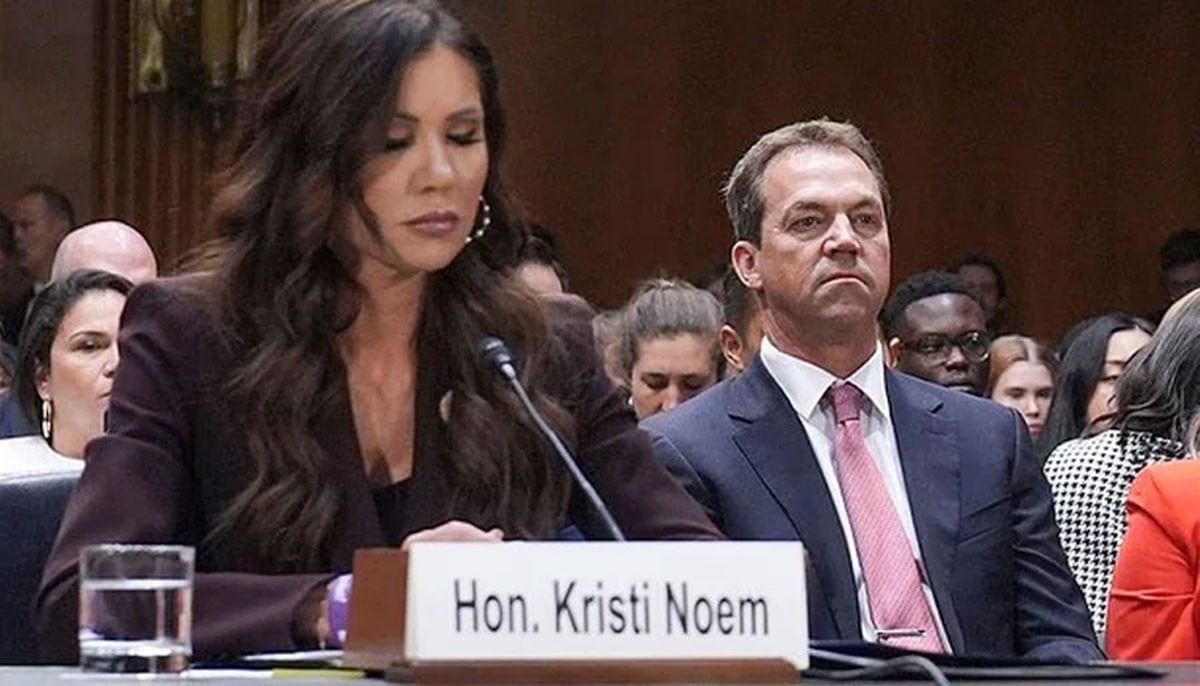 Was Kristi Noem really 'blindsided' about her husband crossdressing life? Insiders tell all
 -
 From coup to presidency: Myanmar junta leader tightens grip on power
-
 Justice Department shake-up: Pam Bondi ousted as attorney general despite close ties to Trump
 -
Markwayne Mullin updates DHS rules, pauses migrant flights as Republicans call for stronger action
-
Calgary weather: snow brings dozens of crashes during second spring storm
-
Tornado warnings: southeast Wisconsin sees warnings expire after damaging winds and storm