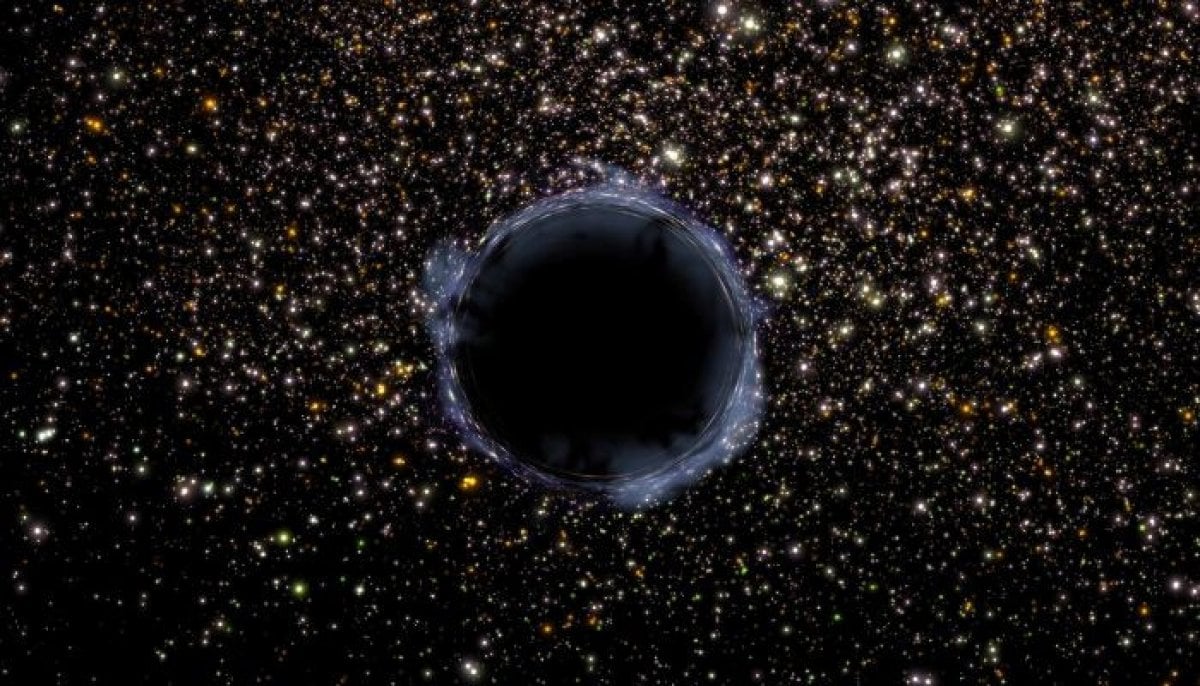
'Aliens may detect us'
Project leader believes that much-advanced civilisation exists in other parts of space

A recent study suggested that if there are aliens in space, they could detect humans with advanced technology on Earth as signals and transmissions leaked by humans from their daily life conduct are spreading out in space, reported The Sun.
Scientists from the University of Manchester conducted a study in which they used crowd-sourced data to simulate radio leakage from mobile towers.
The findings revealed that the Earth's mobile radio signature includes a substantial contribution from developing nations such as Africa.
According to the team, "This is exciting because it highlights the countries' success in moving directly into the digital age."
The team leader of the research Professor Mike Garrett said: "I've heard many colleagues suggest that the Earth has become increasingly radio-quiet in recent years — a claim that I always contested."
"Although it's true we have fewer powerful TV and radio transmitters today, the proliferation of mobile communication systems around the world is profound."
Professor Garrett maintained that while each system represents low radio powers, the "spectrum of billions of these devices is substantial."
"Current estimates suggest we will have more than 100,000 satellites in low Earth orbit and beyond before the end of the decade," he added.
"The Earth is already anomalously bright in the radio part of the spectrum; if the trend continues, we could become readily detectable by any advanced civilisation with the right technology."
He believed that much-advanced civilisation exists in other space outside ours.
"I believe that there's every chance advanced civilisations are out there and some may be capable of observing the human-made radio leakage coming from planet Earth," said Dr Nalini Heeralall-Issur, associate professor at the University of Mauritius.
As the researchers advance in their investigation, they will further look into other sources of Earth's radio leakage, including military radars and Wifi signals.


-
 US-Russian space crew returns to Earth after eight-month mission on the International Space station
 -
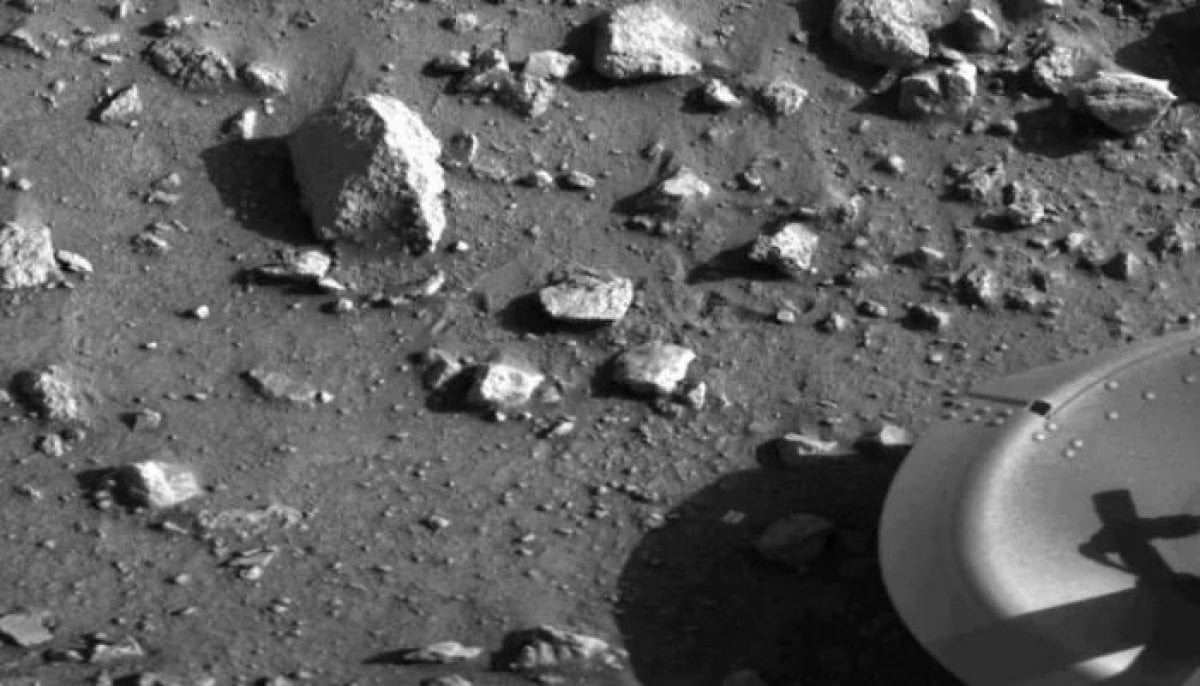 Viking 1 mars landing: 50 years since first photos
 -
 Four hidden dead stars found in Earth's backyard
 -
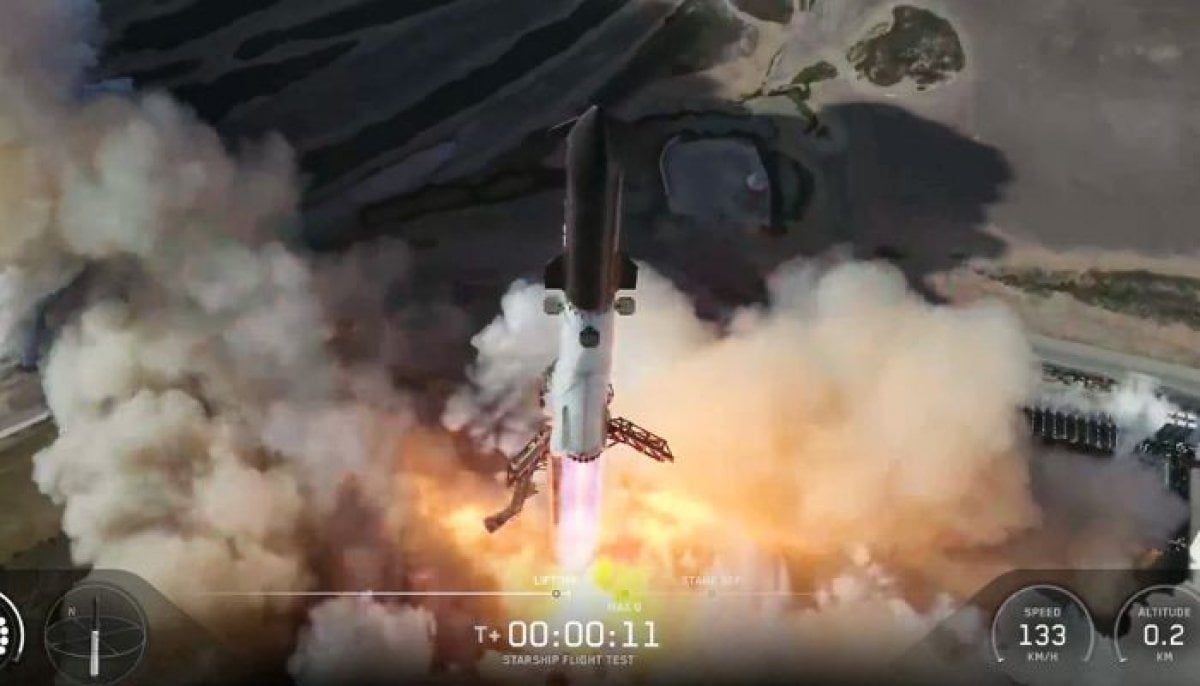 What happened during SpaceX’s 13th Starship test? First upgraded Starlinks successfully deployed
 -
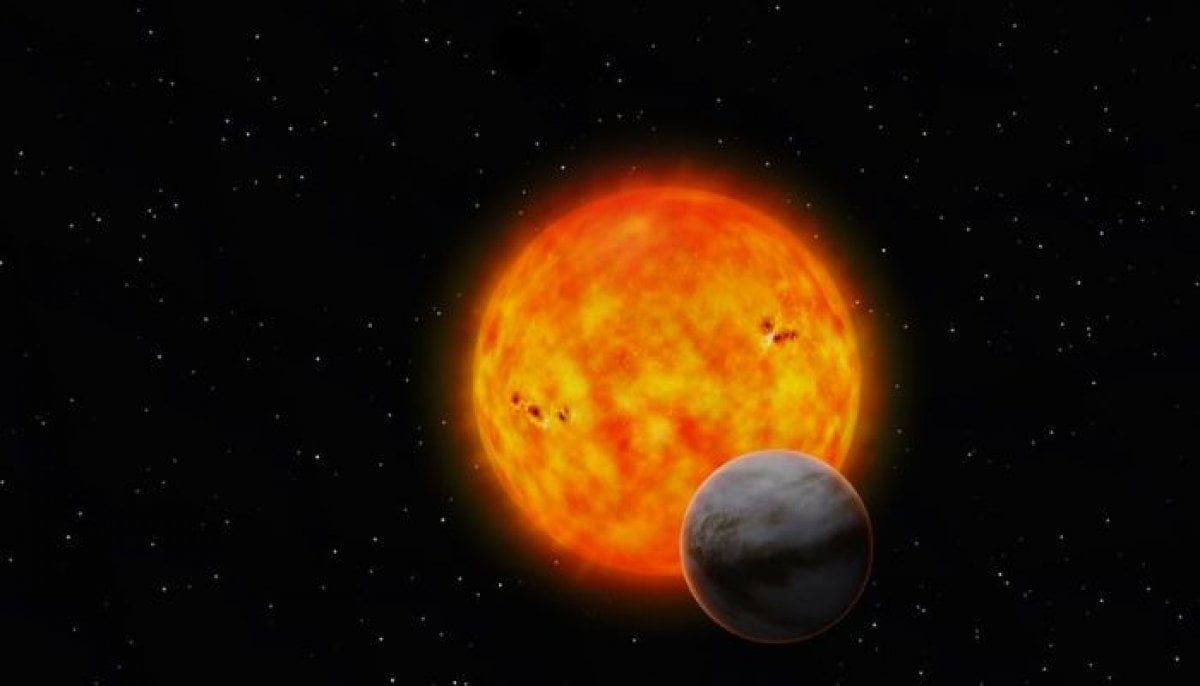 Astronomers may have found the first moon beyond our solar system
 -
 Space datacenters could catastrophically pollute Earth, groups warn
 -
 Astronomers just solved a 10-billion-year-old Milky Way mystery
 -
 Why China is crashing a spacecraft into asteroid 2015 XF261