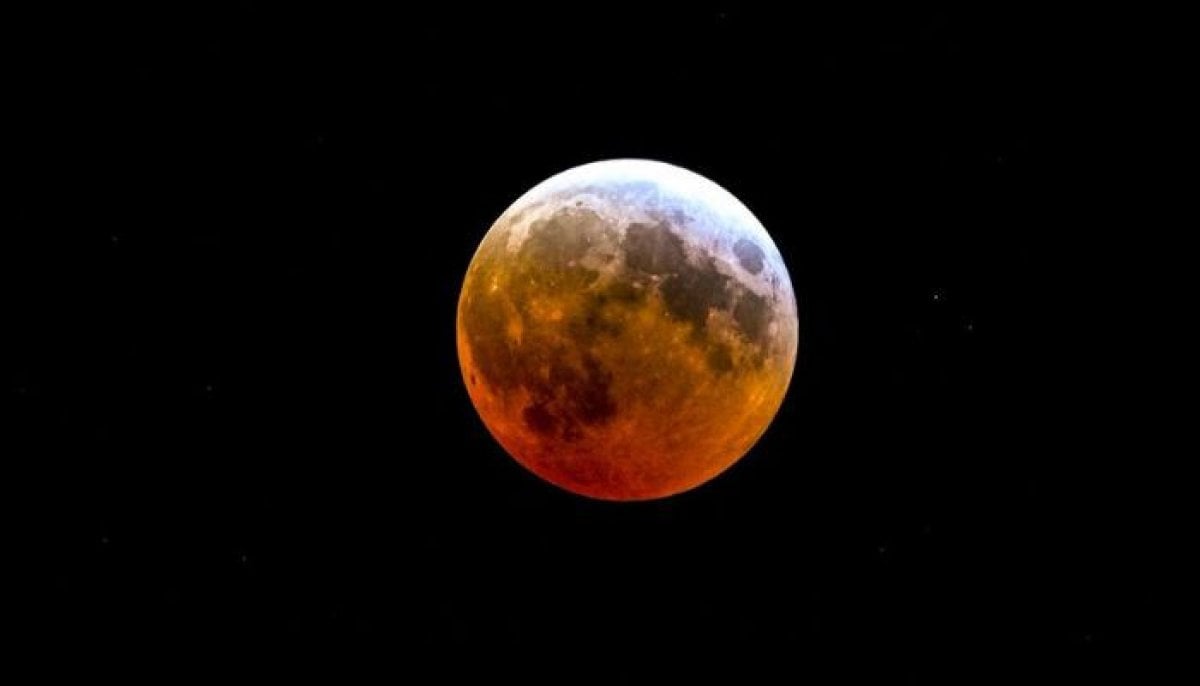
How life started and evolved on Earth? Here's an answer
Earth's change in magnetic field was responsible for life
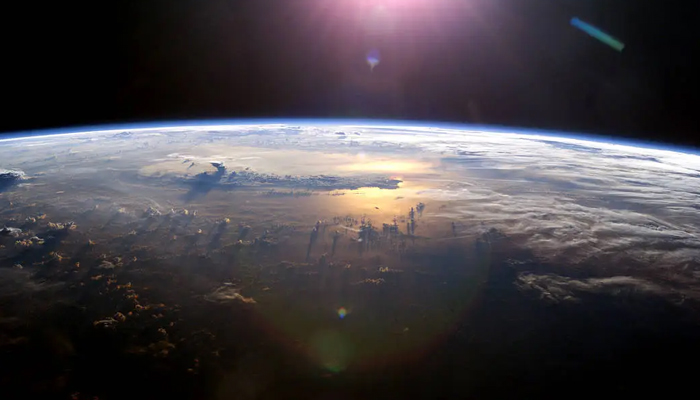
Experts have found in their study that life on Earth emerged between 591 to 565 million years ago as the force of the magnetic field dropped and created suitable conditions for an increase in oxygen levels, according to a paper published in the journal Communications Earth and Environment.
The conditions allowed the evolution of ancient species on earth, reported the Newsweek report Thursday.
Experts suggested that life on Earth commenced some 3.7 billion years ago with single-celled organisms. They later evolved into multicellular around 1.7 billion years back.
The outlet reported that the animals came into being only 580 million years ago, in a period called Ediacaran.
Those creatures at that time had soft bodies but between 575 and 565 million years ago, they began transforming into complex beings because of the rise in oxygen levels.
The researchers stated: "Oxygen has long been identified as a key 'environmental gatekeeper,' allowing for evolutionary innovation and for meeting the energy demands of animals."
"Although sponges and microscopic animals can survive at low levels of dissolved oxygen (as low as around 1.5 μM, equivalent to 0.5 percent present atmospheric level [PAL]), macroscopic, morphologically complex, and mobile animals require a greater amount of oxygen to support their metabolic demands," they said.
"A complex animal ecosystem involving long food chains and predators requires still greater amounts of oxygen."
"Multiple lines of geochemical evidence point to a possible increase in atmospheric and oceanic O2 levels in the late Ediacaran Period, specifically in the period of around 575–565 Ma," experts noted.
This study allowed scientists to understand more about the evolution of Earth and life on the planet.


-
 Scientists uncover two lost human ancestors hidden in modern DNA
 -
 Blood Moon 2026: When and where to watch lunar eclipse
 -
 SpaceX officially unveils 125,000-acre mega spaceport complex at Starbase Louisana
 -
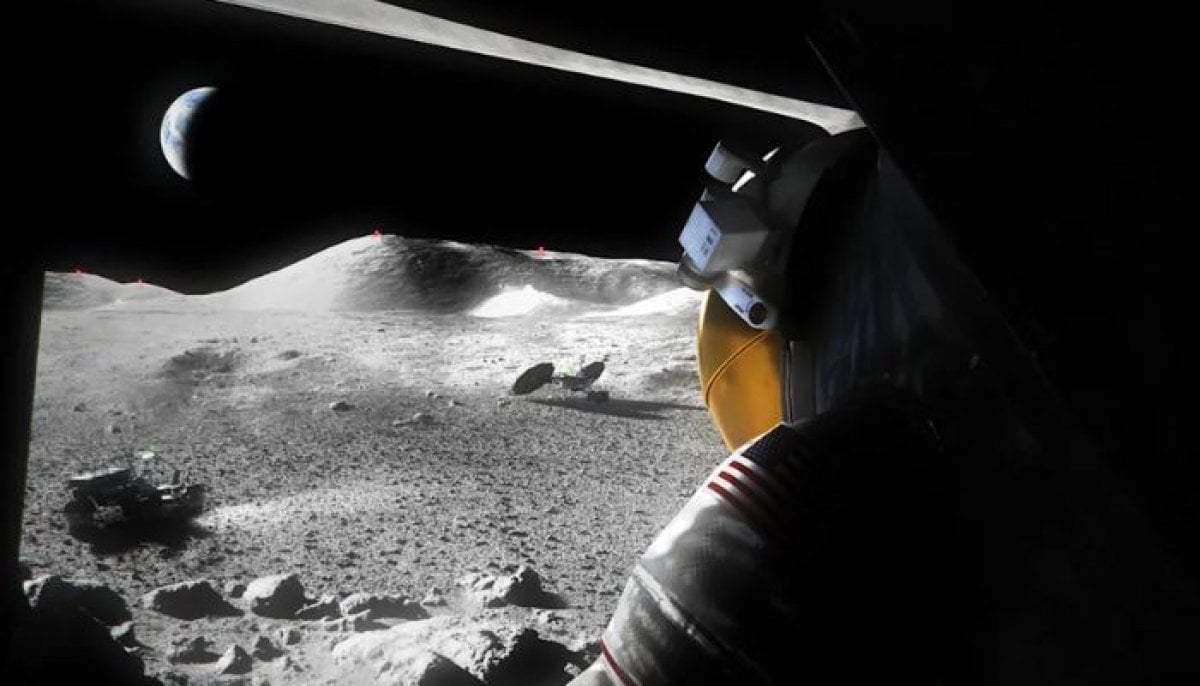 World’s first space airport is taking shape—What happens next?
 -
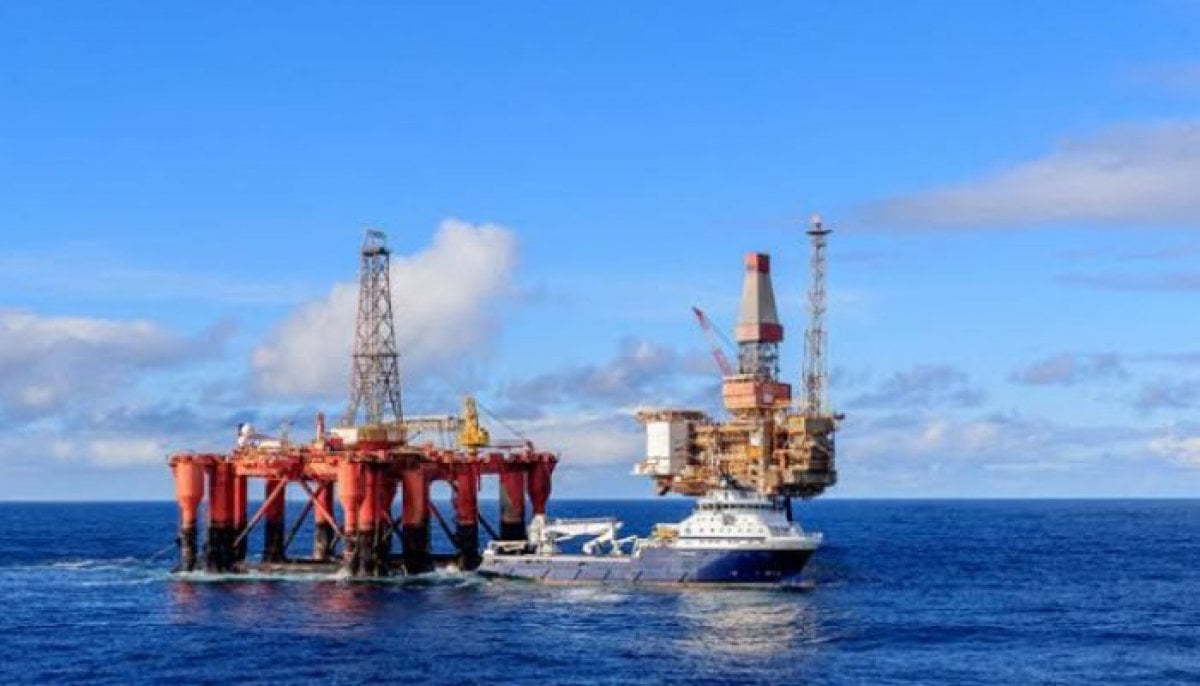 North Sea Oil and Gas: Climate Damage will wipe out economic gains, study warns
 -
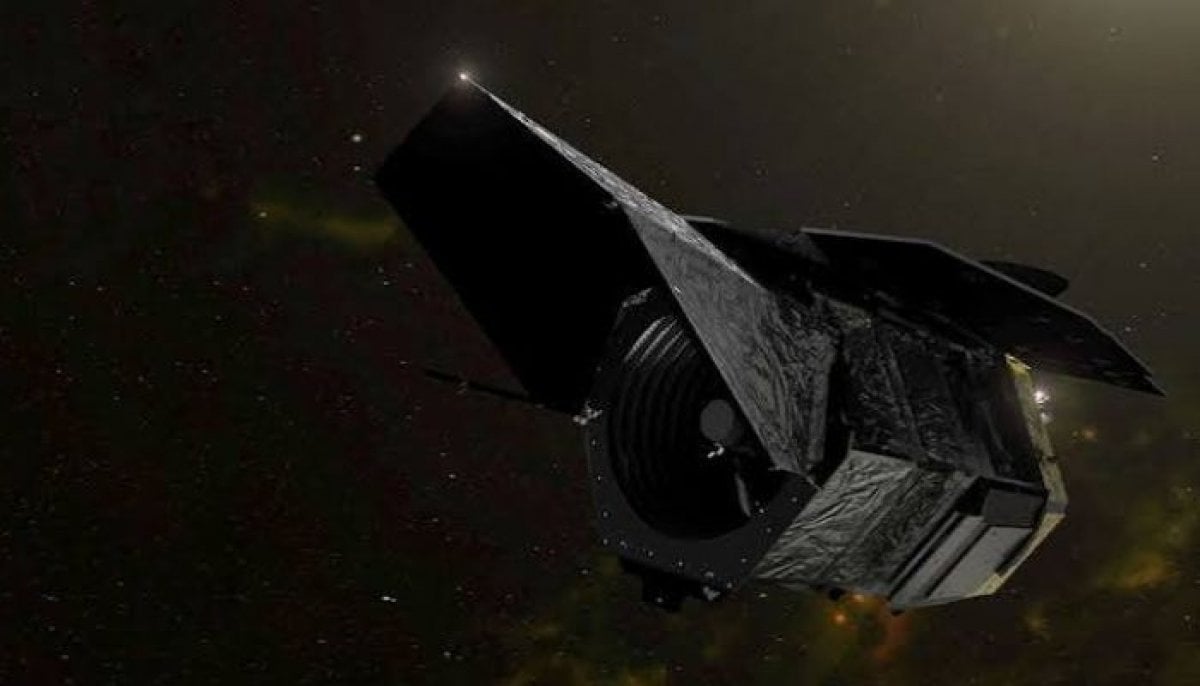 NASA’s new telescope set to uncover mysteries of dark energy, dark matter and exoplanets
 -
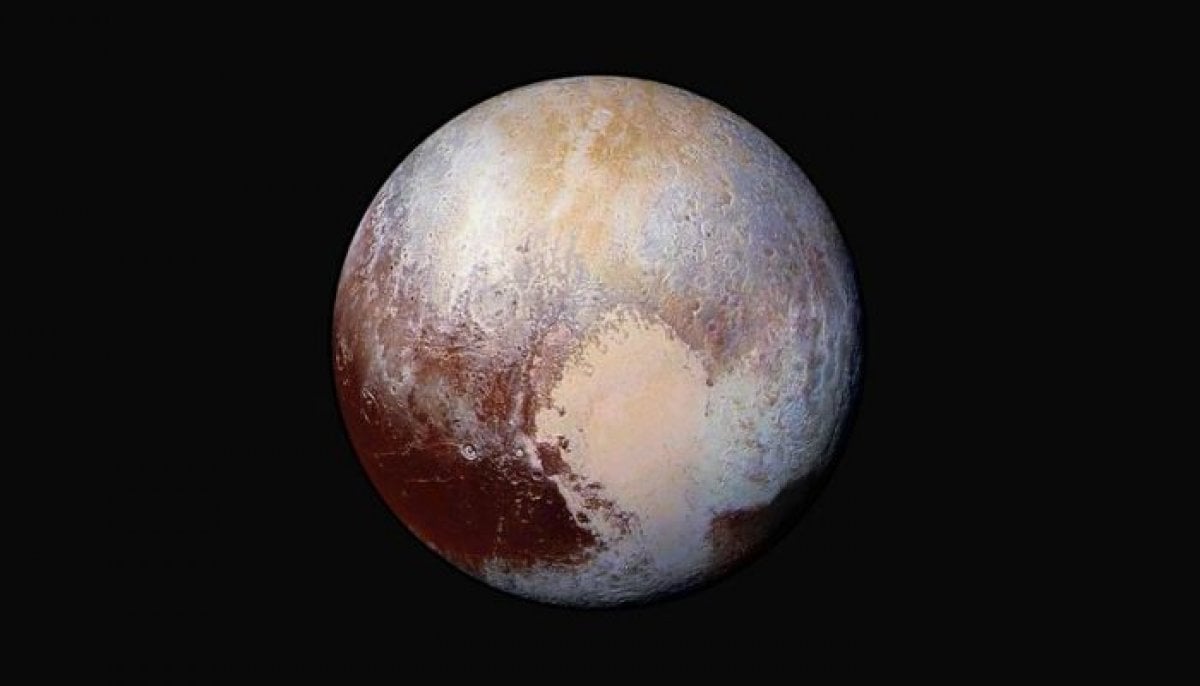 Should Pluto be a planet again? Astronomers revisit its demotion
 -
 China abruptly postpones Chang’e-7 moon mission to search for water–Here’s why
-
 Rare lunar eclipse lights up skies across the Americas: Where will it be visible?
 -
US researchers achieve major breakthrough in quantum data transmission through open air
-
NASA’s Artemis missions face new risk: Earth microbes could survive on moon
-
Europe’s wildfires are unearthing deadly remnants of WWI, WWII