Chinese scientist claims COVID-19 likely 'originated from humans'
It is extremely unlikely that virus originated from Chinese lab as result of an accident, says CDC researcher
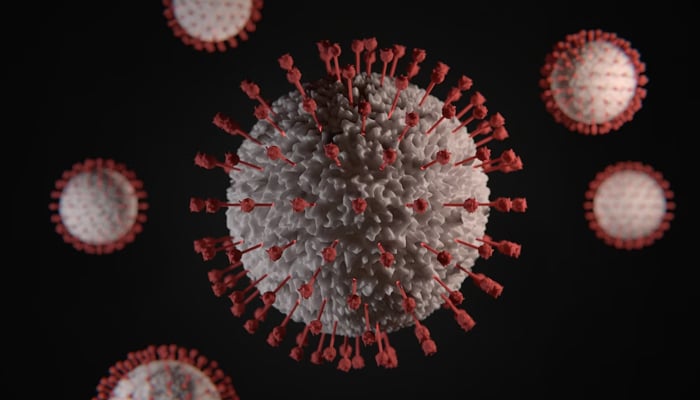
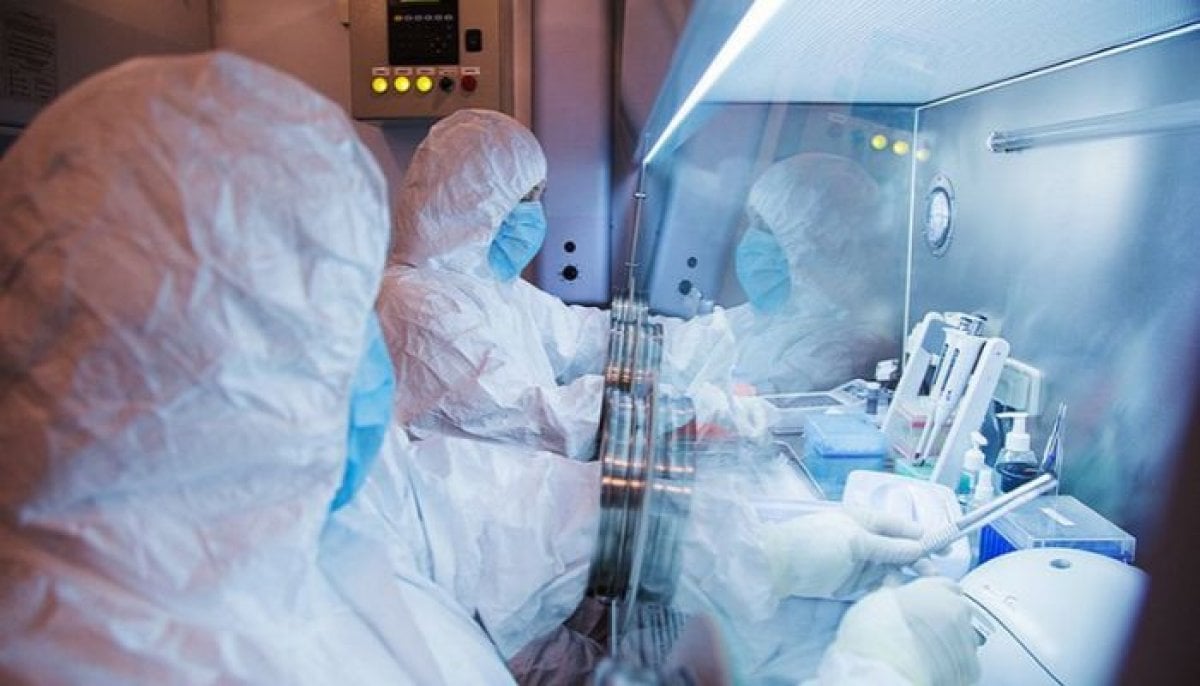
A Chinese scientist has claimed that humans may have been a source of COVID-19 virus origination, CNN reported.
Tong Yigang of the Beijing University of Chemical Technology said that the genetic sequences of viral samples taken from the Huanan Seafood Market in Wuhan – thought to be the ground zero site of the pandemic – were "almost identical" to those of patients infected with the coronavirus, suggesting that COVID-19 may have originated from humans.
While speaking at the press conference, Tong said more than 1,300 environmental and frozen animal samples had been taken at the market between January 2020 and March 2020, and researchers had isolated three strains of virus from the environmental samples.
He was of the view that "there was not yet sufficient evidence to back up recent studies that had suggested racoon dogs were the origin of the COVID-19 virus".
The presser was held by the Chinese State Council regarding the research on the origins of COVID-19.
Zhou Lei who is a researcher at the Chinese Center for Disease Control and Prevention (CDC) urged the world to collaborate in the scientific study to trace the origins of the virus, saying "The site where COVID-19 was first discovered was not necessarily where it originated."
China was castigated for not allowing international investigators seeking probes to trace the origins of COVID-19.
World Health Organization (WHO) last week said that "it still did not have key data from China about the beginnings of the outbreak, a lack of disclosure the head of its program on emerging diseases said was simply inexcusable."
On the contrary, China rejects all the claims and reiterated that it has been transparent and cooperative with the WHO and the other investigators.
The topic concerning the origins of COVID-19 took centre stage when an assessment last month by the US Department of Energy stated that the virus was most likely the result of an accident in a laboratory and spread all across the globe.
However, the US agency also marked it as a "low confidence" determination.
Rejecting the theory of the lab leak, Zhou, on Saturday said it is "extremely unlikely" that the virus originated from a Chinese lab as a result of an accident.


-
 Eli Lilly’s Foundayo weight-loss pill gets European approval recommendation
 -
 What is BPC-157? Trump administration considers easing rules on popular peptide injections
 -
 West Nile virus: Europe reports 141 deaths as human cases rise in 2026
 -
 Health Canada reviewing new mRNA flu vaccine that could prevent more hospitalisations
 -
 Scientists discover hidden drainage route at the back of the eye
 -
 WHO confirms death at Russian research lab, says no plague case registered
 -
 Getting a $90 check from Social Security? Here’s why
 -
 Measles cases in US top 4,000 nationwide, CDC reports
-
 Sexually transmitted diarrhea spread in US, UK: Why antibiotics are failing against Shigella
 -
Who is Song Li? China puts her forward for WHO leadership role
-
CDC monitors travelers from Siberia after plague worker’s death, director says
-
Russia pushes back on plague death reports, defends WHO notification