Images show what sunsets look like on Mars
Sunsets on Mars can be quite spectacular, with the sky often turning different shades of blue, pink, and orange
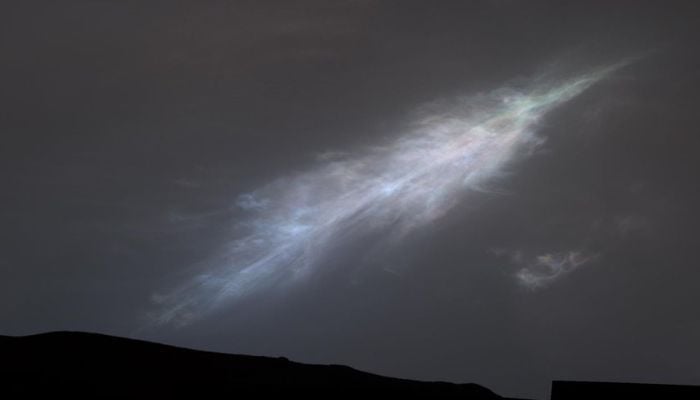
In 1976, NASA's Viking 1 lander provided the first glimpse of a Martian sunset for humans. Since then, a number of additional robots from the Red Planet have sent back numerous images of Martian sunrises and sunsets.
After unwinding on Mars after a long day of labour, human explorers may someday see this, as shown in several colour-corrected, blue-hued images.
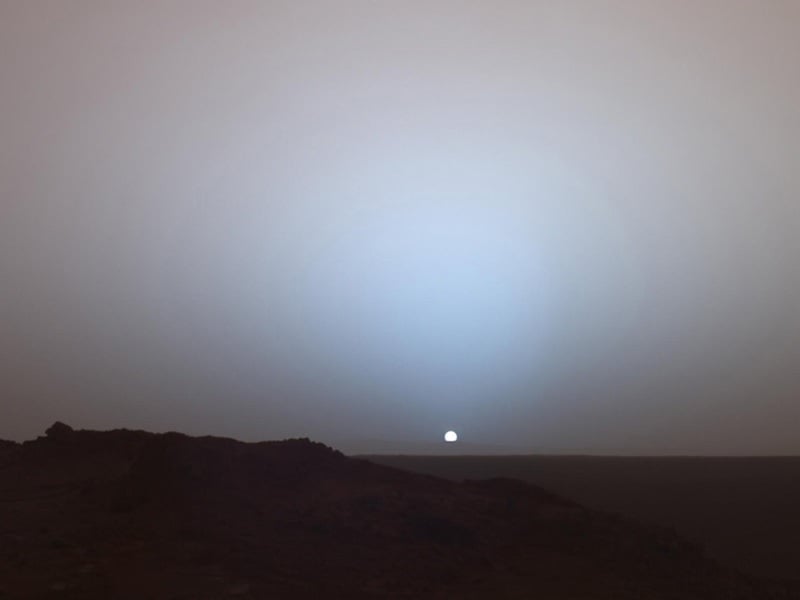
With the sky often turning different shades of blue, pink, and orange, sunsets on Mars can be quite fascinating. The main reason for these various colours is the composition of the Martian atmosphere, which is much thinner than Earth's atmosphere and is primarily made up of carbon dioxide. The Martian atmosphere scatters sunlight much differently than Earth's atmosphere, which causes different colours to appear.
Apart from the unique colours, sunsets on Mars can also appear larger than sunsets on Earth, due to the fact that Mars is closer to sun than Earth. This can make the sun appear almost twice as large in the Martian sky as it does in the Earth's sky.
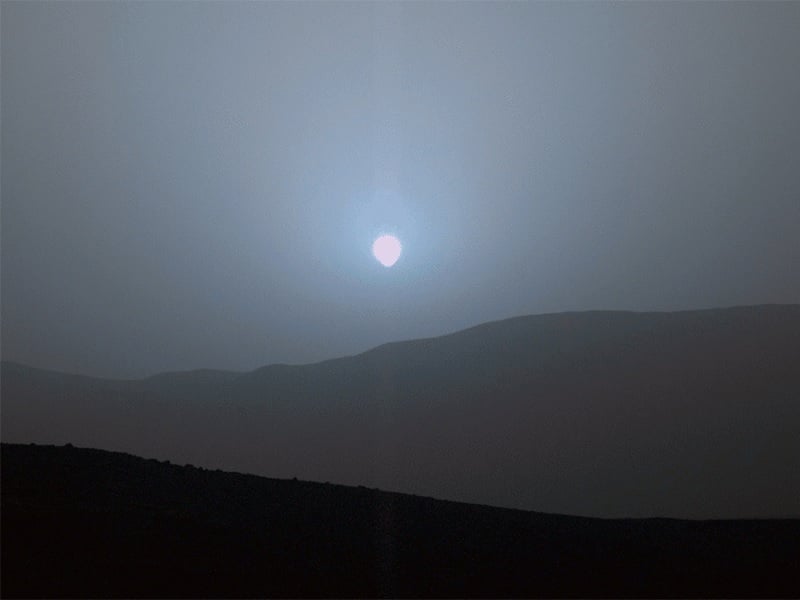
NASA's Mars rovers, such as Curiosity and Perseverance, have captured some spectacular images of sunsets, and even sunrises, on Mars, which are shared with the public. The images not only provide a glimpse into the beauty of a different planet but also help scientists better understand the atmospheric conditions on Mars.
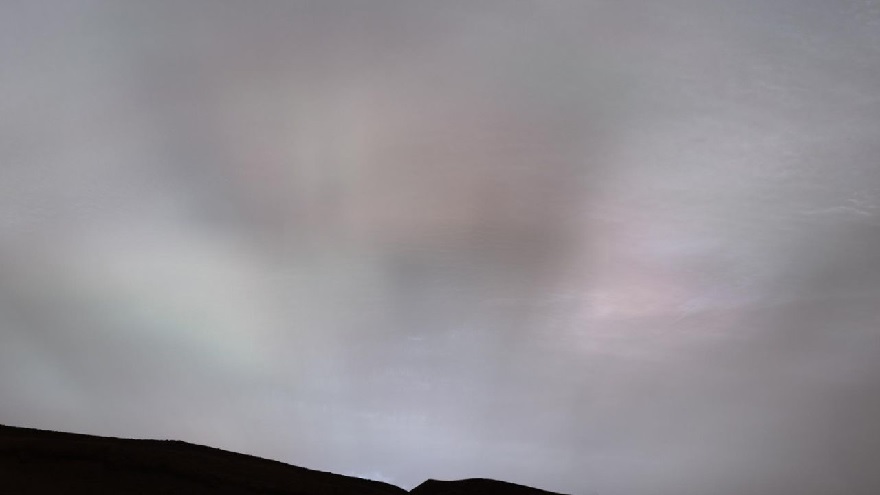
Why is Mars Red but its twilight blue?
Because of the presence of iron oxide in the soil, which rusts, Mars is known as the Red Planet. Even without the use of a telescope, Earth can see the planet's characteristic reddish tint.
Martian sunsets would appear bluish to human spectators looking from the red planet, just as colours are intensified in Earth sunsets. While normal daylight highlights the distinctive red dust colour of the Red Planet, fine dust makes the blue near the Sun's area of the sky considerably more noticeable.
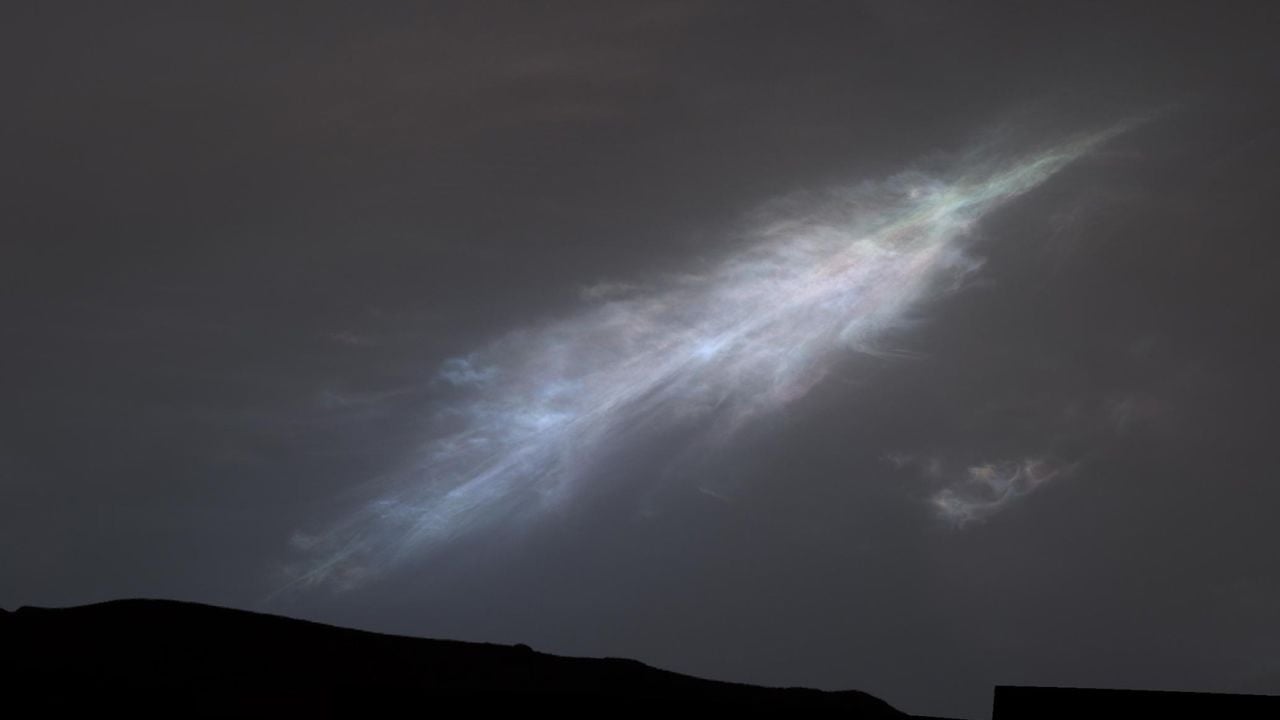
"The colours come from the fact that the very fine dust is the right size so that blue light penetrates the atmosphere slightly more efficiently," NASA quoted Mark Lemmon of Texas A&M University, College Station, a science team member of the Curiosity rover mission, as saying. "When the blue light scatters off the dust, it stays closer to the direction of the Sun than light of other colours does. The rest of the sky is yellow to orange, as yellow and red light scatter all over the sky instead of being absorbed or staying close to the Sun."


-
 Draconid meteor shower tonight: Best time and places to see it
 -
 ‘A dream for 50 years’: Why world’s first nuclear clock could change timekeeping
 -
 NASA Curiosity captures strange ‘wind-carved’ Mars landscape in dawn image
 -
 NASA's Crew-12 Dragon begins return trip from space station
 -
 Mysterious ‘phoenix planet’ found around the remains of a dying star
 -
 First possible evidence of Planet Nine found in infrared data
 -
 Elon Musk announces SpaceXAI rebrand to SpaceXSI following presidential order on 'Super Intelligence'
 -
 ISS Command changes hands in emotional ceremony