Ansaldo Honolulu unveils driverless metro train in US
The joint venture between the two Italian subsidiaries of the Hitachi Group will design and manufacture Honolulu´s rail transit system, as well as build 20 driverless trains.
HONOLULU, USA: Ansaldo Honolulu, a joint venture between Ansaldo STS and Hitachi Rail Italy, unveiled the first driverless and staff-less train for urban transport in the U.S. in Honolulu.
The joint venture between the two Italian subsidiaries of the Hitachi Group will design and manufacture Honolulu´s rail transit system, as well as build 20 driverless trains.
Ansaldo STS, which has the majority stake in the joint venture, is responsible for the design, production, installation, and testing of the signaling, traction, and communications systems - the brain and heart of the train, so to speak - as well as maintenance and recovery vehicles.
Honolulu´s driverless rail transit system is based on technology that Ansaldo STS already tested successfully for the first time in Copenhagen.
It has also implemented over 250 km of automated metropolitan lines in many cities across the globe, including Milan, Rome, Brescia, Thessaloniki, Riyadh, Taipei, Lima, Copenhagen (the third City Ring line). Another one is currently under construction in Glasgow.
"If millions of people move safely, it is due to Ansaldo STS technology that provides the brain and the heart of the trains," stated Stefano Siragusa, Chief Executive Officer and General Manager of Ansaldo STS.


-
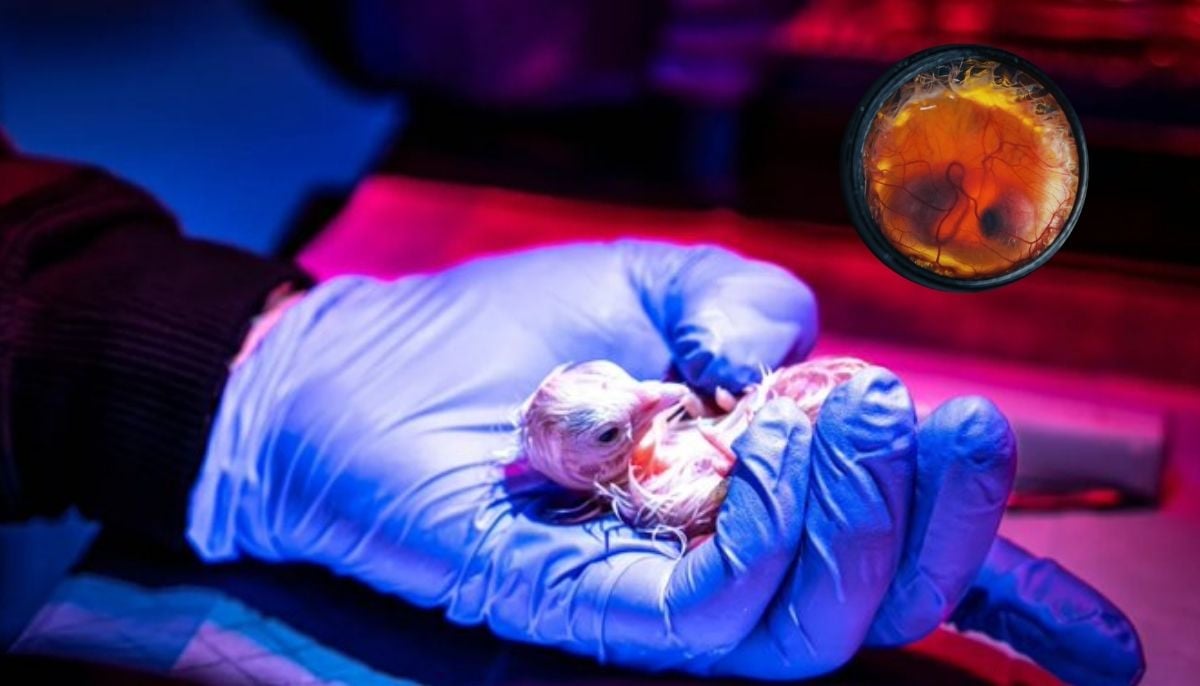 Scientists hatch live chickens from 3D-printed eggshells: Could artificial wombs be next?
 -
 SpaceX: Starship V3 all set for debut launch ahead of IPO
 -
 Four alien species recovered from crashed UFOs, Ex-CIA researcher claims
 -
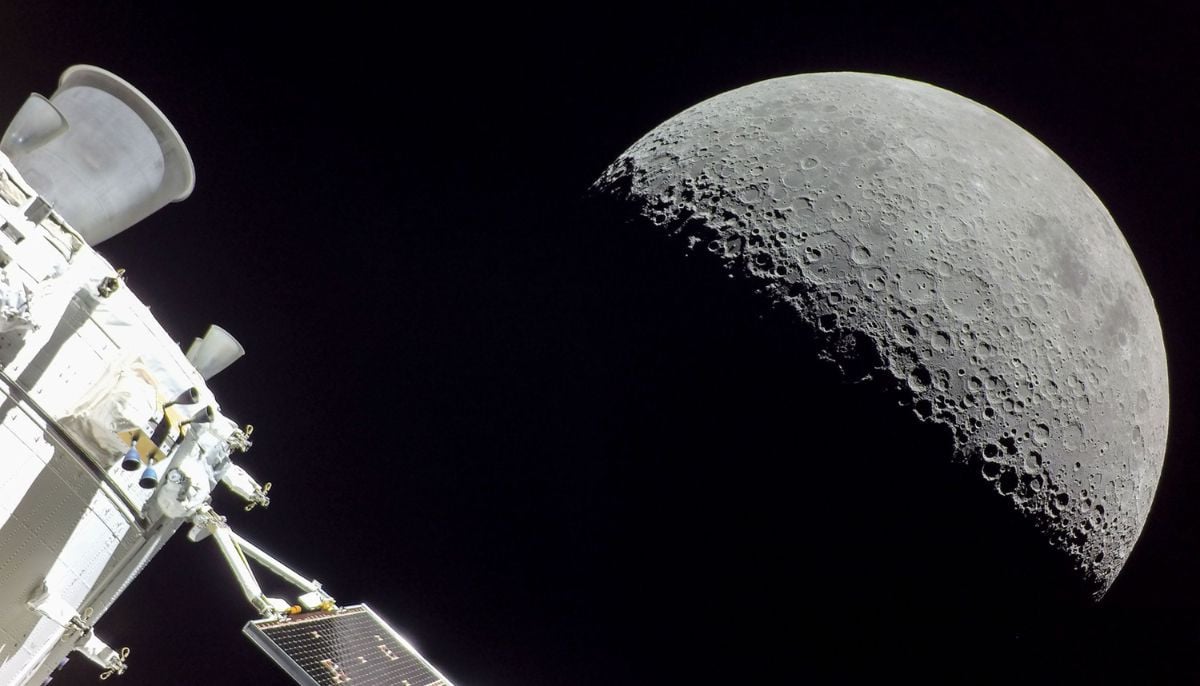 NASA delays Moon landing as Artemis III shifts to orbit mission
 -
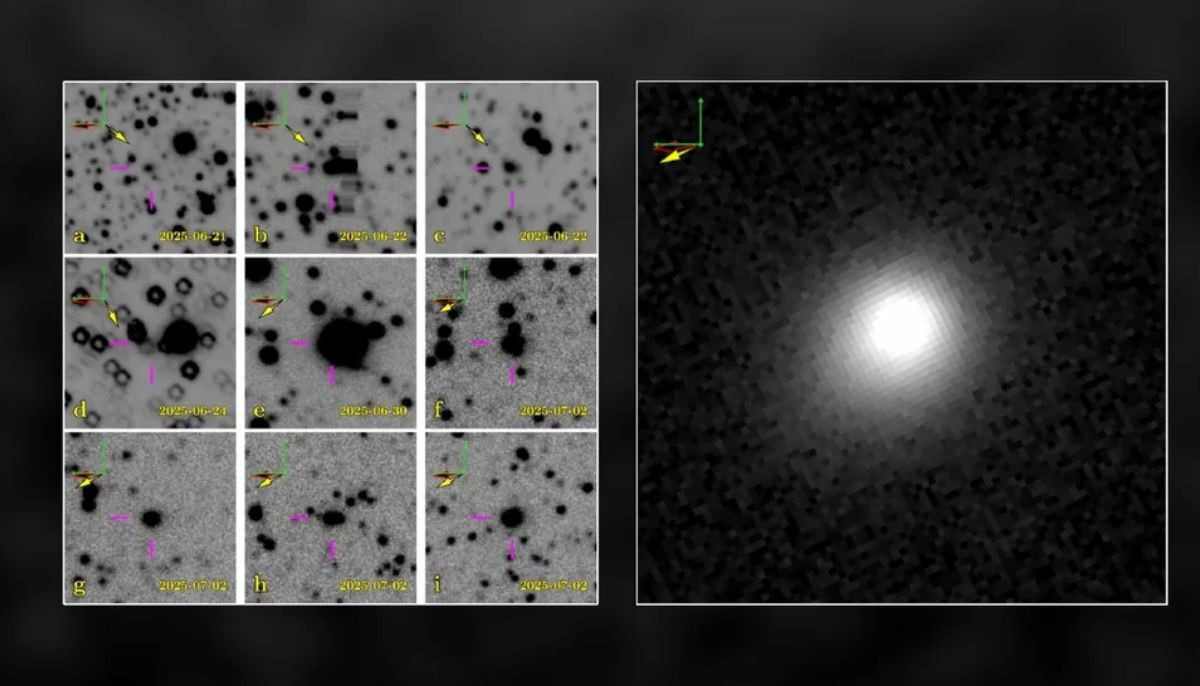 Scientists reveal shocking early sighting of 3I/ATLAS comet
 -
 Asteroid 2026 JH2 to pass extremely close to Earth on May 18: Should we be concerned?
 -
 Meet the ‘last titan’: Giant new dinosaur identified from fossils in Thailand
 -
 Can we finally find aliens? Scientists reveal a surprising new ‘organizational’ approach